
Why Green Technology Matters to Your Business
Running a Malaysian SME often means managing several practical problems at once: staff travelling between locations, equipment that consumes electricity, outdoor maintenance, security after working hours, and unexpected interruptions caused by storms or power issues. You may not think of electric vehicles, backup power stations, smart devices, or cordless tools as one business topic, but they can all affect how reliably your team works.
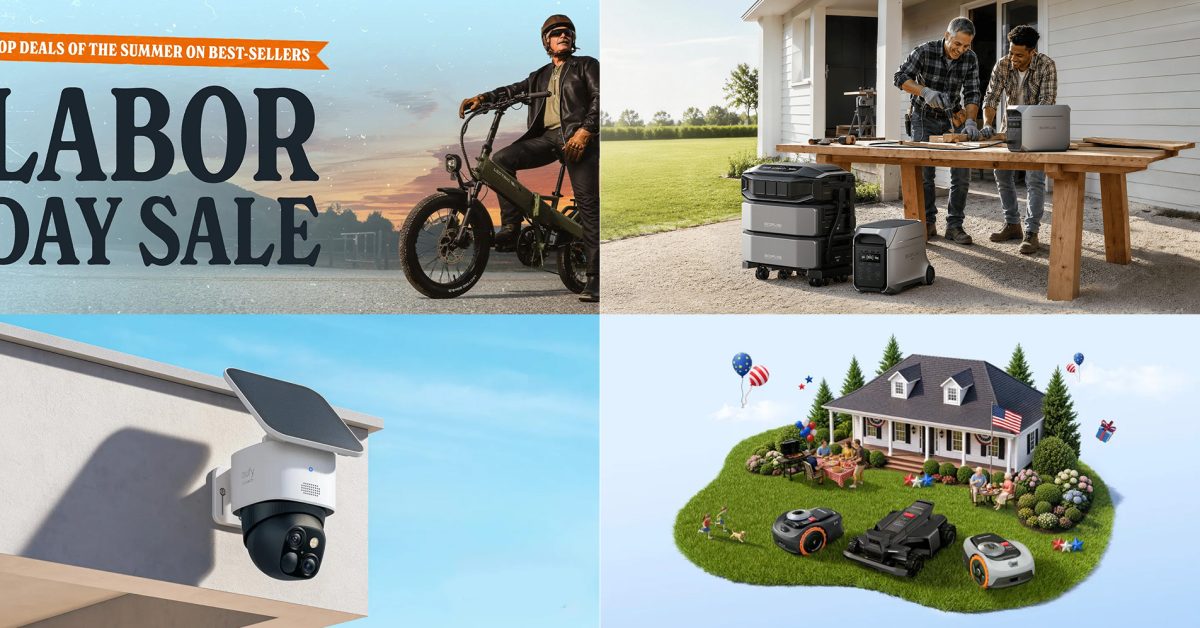
The challenge is not finding more gadgets. It is deciding which technology solves a real operational problem and which purchase will simply add another device for someone to maintain. A recent green technology deals roundup covered electric bikes, scooters, portable power stations, robotic lawn mowers, electric tools, security cameras, smart timers, and connected appliances. Read the original roundup here.
For you, the useful lesson is not the temporary promotion or the overseas product list. It is the growing availability of practical electric and smart equipment that can help a small business reduce manual work, improve visibility, and prepare for interruptions.
TL;DR
Green technology is becoming relevant to everyday SME operations, not just large corporations or environmental projects.
Start with one clear problem—mobility, backup power, maintenance, security, or resource monitoring—then measure whether the equipment improves time, reliability, or control before expanding.
What This Means
“Green technology” can sound like a specialist term, but the concept is straightforward. It refers to equipment that uses electricity efficiently, reduces fuel or material waste, or automates a task that would otherwise require repeated manual effort.
The source article groups the products into several useful categories. Electric bikes and scooters support short-distance transport. Portable power stations provide temporary backup electricity. Cordless tools replace petrol-powered or wired equipment for some maintenance tasks. Smart cameras, timers, lights, and robotic machines use sensors and software to monitor or automate routine work.
These categories are relevant because SMEs usually operate with limited staff. If one employee spends time checking a remote area, moving between outlets, watering plants, trimming grass, or restarting equipment after a power interruption, automation can reduce that repeated workload.
| Technology category | Possible SME use | What to measure |
|---|---|---|
| Electric bikes or scooters | Short trips between outlets, warehouses, sites, or nearby customers | Travel time, trip frequency, staff availability |
| Portable power stations | Temporary support for routers, cameras, laptops, payment devices, or lights | Runtime, equipment supported, downtime avoided |
| Cordless electric tools | Cleaning, landscaping, repairs, and property maintenance | Task duration, noise, charging cycles, staff effort |
| Smart cameras and sensors | Monitoring entrances, stockrooms, work areas, and equipment | Alerts received, incidents identified, checking time |
| Smart timers and automated equipment | Irrigation, lighting, cleaning, or scheduled site tasks | Manual checks reduced, missed tasks, water or energy usage |
The figures and product categories in this table are based on the equipment groups described in the source article; the operational measures are suggested management indicators rather than claims from the article. Source: Electrek green technology deals roundup.
How This Applies to Malaysian SMEs
Retailers and service businesses with nearby outlets may benefit from electric bicycles or scooters for short-distance movement. A café group could use them for transferring small supplies between nearby branches. A repair company could use an electric bike for technicians handling small service calls in a busy commercial area. A property agent or facilities team might use one to move around a large site more efficiently. The important question is not the advertised travel range. It is how often your staff make short trips and whether those trips interrupt customer service or scheduled work.
Workshops, small warehouses, and offices can consider portable power stations as part of continuity planning. A temporary power source may support selected equipment such as a Wi-Fi router, laptop, mobile charging station, security camera, or small point-of-sale setup. You should first list the equipment that must remain available during an interruption, check its power requirements, and test actual runtime. A power station should not be treated as a replacement for proper electrical safety procedures or a full backup system.
Property maintenance, nurseries, contractors, and hospitality businesses may find cordless electric tools useful for recurring outdoor tasks. Pressure washers, hedge trimmers, pole saws, cultivators, and chainsaws appeared among the products in the source roundup. In Malaysia, lower noise can matter when work takes place near customers, tenants, schools, or neighbouring businesses. Battery tools may also be easier to move around a site. However, your team needs a charging routine, battery storage area, inspection process, and clear rules for using cutting equipment safely.
Retail shops, offices, clinics, and small factories can use connected cameras and sensors to reduce routine checking. A solar-charging camera, such as the type mentioned in the source article, may suit a location where wiring is difficult. You could monitor a back entrance, delivery area, equipment room, or storage zone. Before installation, check privacy obligations, inform staff where appropriate, control access to recordings, and define which alerts require action. A camera is useful only when someone is responsible for responding to its notifications.
Hotels, restaurants, event venues, and managed properties may also use smart timers or automated maintenance equipment. A Wi-Fi water timer could help schedule irrigation for landscaping, while robotic lawn or pool equipment may reduce the frequency of routine checks. These tools work best when your staff already follow a documented maintenance schedule. Automation should confirm that work is happening, not hide a problem until it becomes serious.
Practical Takeaways
- Choose the problem first: Write down the repeated task, interruption, or blind spot you want to improve.
- Record a baseline: Track how much staff time, travel, checking, or downtime the task currently requires.
- Start with one site or team: A small pilot is easier to supervise than a broad rollout.
- Check local suitability: Confirm voltage, charging requirements, weather protection, warranty support, spare batteries, and replacement parts before buying.
- Review safety requirements: Provide instructions for batteries, cutting tools, electrical equipment, and outdoor operation.
- Assign an owner: One person should monitor charging, software updates, alerts, maintenance, and fault reporting.
- Protect business data: Use strong passwords and separate user access for smart cameras and connected devices.
- Measure business results: Compare time saved, tasks completed, interruptions avoided, and service reliability after the pilot.
- Do not chase specifications: A device with the longest stated range or largest capacity is not automatically suitable for your workflow.
The best green technology purchase is not the most advanced device; it is the one that removes a repeated operational problem without creating a new management burden.
A Simple 30-Day Test
For the first week, identify one process that happens repeatedly. Examples include checking a storeroom, moving documents between nearby locations, watering plants, charging mobile equipment, or monitoring a back entrance. Record who performs it, how often it happens, and what goes wrong.
During the second week, select one suitable technology category and define a narrow test. For example, use a smart camera only at one delivery entrance, or use a portable power station only for the router and communication equipment. Do not change several processes at the same time, or you will not know what caused the result.
In the third and fourth weeks, review the agreed indicators. Did staff spend less time on the task? Were alerts useful? Did the equipment remain charged? Were there maintenance or connectivity problems? Keep feedback practical. If the device saves checking time but produces too many false alerts, the process still needs adjustment.
The Bigger Picture
For Malaysian SMEs, the long-term value of green technology will likely come from combining simple equipment with better operating procedures. An electric tool alone does not improve productivity if batteries are always flat. A smart camera does not improve security if nobody reviews alerts. A backup power station does not protect operations if critical devices have not been identified and tested.
This is why automation and documentation matter. When you connect devices to clear responsibilities, schedules, and records, you create a more dependable operating system for your business. You can see which tasks are completed, which interruptions keep returning, and where staff time is being used.
The source roundup also shows how quickly product categories are expanding, from mobility devices and power systems to smart home-style equipment and automated outdoor tools. The article lists examples across electric mobility, backup power, tools, cameras, timers, and automated appliances. You do not need to adopt everything. Your advantage comes from choosing equipment that fits your premises, staff capability, customer expectations, and daily workflow.
Start with one measurable problem. Test one practical solution. Train the people using it. Then decide whether the result justifies a wider rollout. That approach keeps green technology grounded in what matters most to you: a smoother, more reliable business.
Ready to Streamline Your Operations?
Your business should run itself. AutoRunBiz deploys AI agents to automate your daily operations — WhatsApp orders, invoicing, customer follow-ups, and accounting. Book a free 15-min ops audit to see where automation fits your business →