
Green technology is becoming a practical business tool
Running a Malaysian SME often means managing interruptions you cannot fully control: sudden rain, power fluctuations, delivery delays, outdoor maintenance, security concerns and staff travelling between locations. You may not be looking to buy the latest gadget. You are looking for dependable ways to keep work moving while reducing avoidable manual tasks.
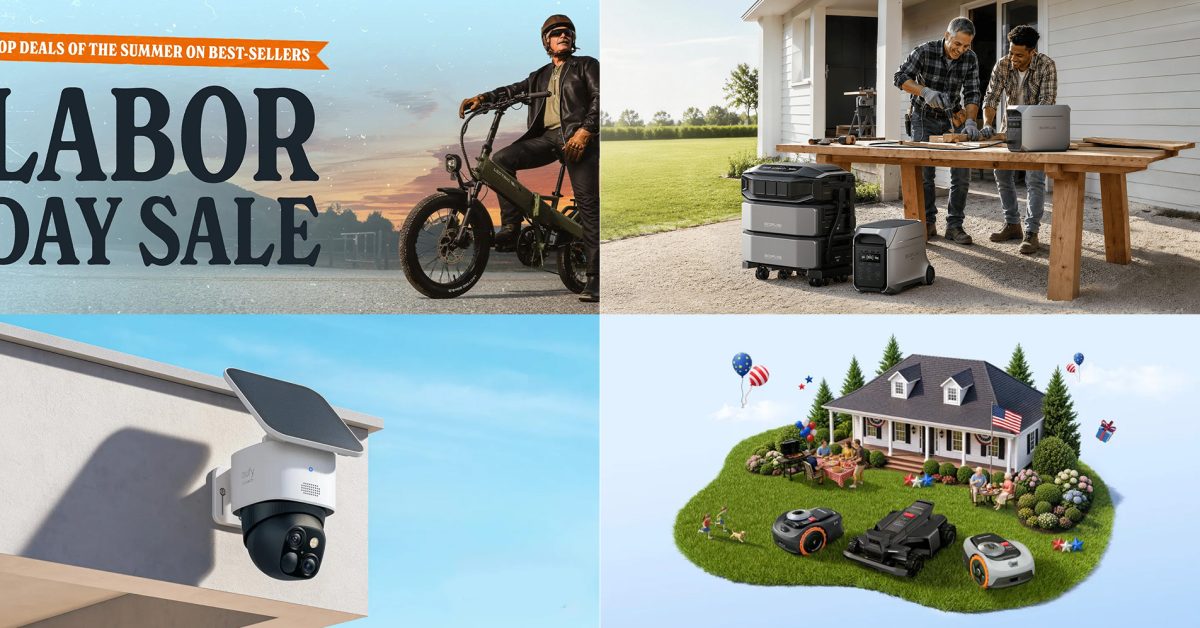
A recent international green-deals roundup covered electric mobility, portable power stations, cordless tools, robotic equipment, smart cameras and connected devices. The important lesson is not the promotional event itself. It is that business-ready technology is spreading across everyday operations, from moving around a site to maintaining premises and protecting equipment. Source: Electrek
TL;DR: Green technology is no longer limited to large companies or sustainability teams. For a Malaysian SME, e-bikes, backup power, smart monitoring and cordless equipment can support continuity and reduce repetitive work.
Start with one operational problem, measure its impact, and choose technology that fits your staff, site, weather conditions and service needs.
What This Means
“Green technology” can sound like a broad environmental term, but the practical meaning is simple: equipment that uses electricity efficiently, reduces fuel or material waste, or automates work that traditionally requires more resources.
Examples include an electric vehicle for short-distance site visits, a portable power station for temporary backup, a battery-powered pressure washer for maintenance, or a smart camera that lets you check a property remotely. Some products combine several functions. The source article, for example, highlighted power stations with capacities ranging from about 1,004.8Wh to 5,040Wh, electric bicycles with advertised travel ranges up to 130 miles, and robotic equipment designed for grounds maintenance. Source: Electrek
The useful question is not, “Which device is popular?” Ask instead: Which repeated task, delay or risk can this device help you manage? A business that delivers documents around a compact town may value an electric bicycle differently from a hotel managing a large landscaped property. Your technology choice should follow your workflow, not the other way around.
Key insight: The best green technology purchase is usually not the most advanced product. It is the one that solves a frequent operational problem with the least disruption to your team.
How This Applies to Malaysian SMEs
1. Retailers, cafés and service businesses can prepare for power interruptions. A portable power station may support selected essential equipment during a short interruption, such as a router, payment terminal, laptop, small lights or communications devices. The source roundup included models from around 1,024Wh through 5,040Wh, but capacity alone does not tell you whether a unit is suitable. Source: Electrek You need to list the equipment you want to run, check each device’s wattage, and confirm the power station’s continuous output and safety features.
For a Malaysian business, this is particularly relevant when your operations depend on digital ordering, cloud software, internet connectivity or electronic payment. A backup unit will not keep every appliance running indefinitely, but it may give you enough time to complete transactions, notify customers, save work and shut down equipment properly.
2. Property managers, workshops and contractors can reduce maintenance friction. The source article listed cordless pressure washers, leaf blowers, hedge trimmers, chainsaws, pole saws and cultivators. Some products were advertised with battery systems ranging from 20V to 80V, while one mower package included two batteries. Source: Electrek You should not compare voltage figures across brands as if they directly measure performance. Instead, examine the work required, battery runtime, charging arrangements, replacement availability and the ability to share batteries across tools.
This can help a small landscaping team, resort, school, warehouse or shop lot maintenance crew. Battery tools may be easier to start and move than petrol equipment, especially for short jobs between customer visits. However, you still need operating procedures for cutting tools, charging areas, personal protective equipment and battery storage in Malaysia’s hot and humid conditions.
3. Delivery businesses and field-service teams can assess electric mobility. The roundup featured e-bikes and scooters with advertised ranges from 44 miles to 130 miles, as well as home and workplace EV charging equipment. Source: Electrek Those figures are manufacturer or promotional claims and may vary with rider weight, terrain, speed, load, temperature and traffic. In Malaysia, heavy rain, hills and frequent stops can affect practical range.
For short local routes, an electric bicycle may suit document delivery, food distribution within a neighbourhood or technician visits. Before assigning one to staff, check road suitability, helmet and safety requirements, weather protection, charging access and how customer deliveries will be secured. The operational benefit comes from reliable route planning and maintenance, not simply owning an electric vehicle.
4. Shops, warehouses and small offices can improve remote oversight. Solar-charging security cameras, smart lighting and connected sensors were also included in the source roundup. One solar security camera was listed with a 43% promotional reduction, although promotional figures and availability can change. Source: Electrek For your business, the more important checks are data privacy, account access, internet dependence, storage method and what happens when the device loses connectivity.
A camera can help you verify whether a shutter was closed, a delivery arrived or an after-hours alert is genuine. It should not replace clear staff procedures. Limit access to authorised people, use strong passwords, enable multi-factor authentication where available, and review recordings according to your business needs and applicable privacy responsibilities.
Practical Takeaways
- Identify one recurring problem: power interruptions, site maintenance, short-distance travel, security checks or equipment monitoring.
- Record the baseline: how often the problem occurs, how much staff time it consumes and which customer or internal process it affects.
- Calculate operating requirements: list device wattage, battery runtime, route distance, payload, charging time and expected weather exposure.
- Check local suitability: confirm warranty support, replacement batteries, electrical compatibility, service coverage and safe storage.
- Run a small pilot: test one device with one team or location before changing your wider process.
- Document responsibilities: assign charging, inspection, software updates and incident reporting to named staff.
- Protect business data: use separate accounts, restricted permissions and secure Wi-Fi for connected devices.
- Measure results after 30 days: compare downtime, completed tasks, maintenance effort and staff feedback with your baseline.
A simple screening table
| Business need | Technology to assess | Questions to ask |
|---|---|---|
| Short local deliveries | E-bike or electric scooter | Can it handle route distance, rain, load and safe parking? |
| Temporary essential power | Portable power station | What wattage must run, and for how long? |
| Outdoor maintenance | Battery-powered tools | Can batteries be shared, charged and replaced easily? |
| After-hours monitoring | Smart camera or sensor | Who receives alerts, and how is access controlled? |
Use this table as a starting point, not a purchasing checklist. A device that looks suitable on paper may still fail if your premises lack secure storage, reliable connectivity or a practical charging routine.
The Bigger Picture
The long-term trend is toward smaller, connected systems that help SMEs operate with less waste and fewer manual checks. Electric mobility, battery storage, smart monitoring and automation are increasingly being combined. A field technician may use an electric vehicle, a mobile work order system and a camera-based site check. A retailer may combine backup power with automated customer notifications. A property manager may use battery tools and scheduled maintenance records to coordinate several locations.
This does not mean every business should replace its existing equipment immediately. Technology creates value only when it fits a repeatable process. If your team does not know who charges a battery, responds to an alert or records a maintenance task, the device may add another administrative burden.
For Malaysian SME owners, the sensible approach is gradual: choose a visible operational bottleneck, test a suitable green technology, connect it to a clear workflow, and review the results. Once the process works, you can decide whether the same approach belongs in another branch, vehicle, team or customer service operation.
Start with the problem your staff face every week. The right green technology should make that problem easier to manage, safer to handle and simpler for you to monitor.
Ready to Streamline Your Operations?
Your business should run itself. AutoRunBiz deploys AI agents to automate your daily operations — WhatsApp orders, invoicing, customer follow-ups, and accounting. Book a free 15-min ops audit to see where automation fits your business →