
Why Your SME Should Care About Google’s AI for Disaster Alerts
Picture this: a sudden flood cuts off your warehouse, a power outage shuts down your systems, or a fire forces you to close shop for days. Sound like a distant problem? In Malaysia, flooding, landslides, and even earthquakes can hit hard. But here’s the good news—Google and the UN just showed how AI can give you a head start, and it might already be sitting in your pocket. Let’s break down what happened and why it’s worth your attention.
What Happened
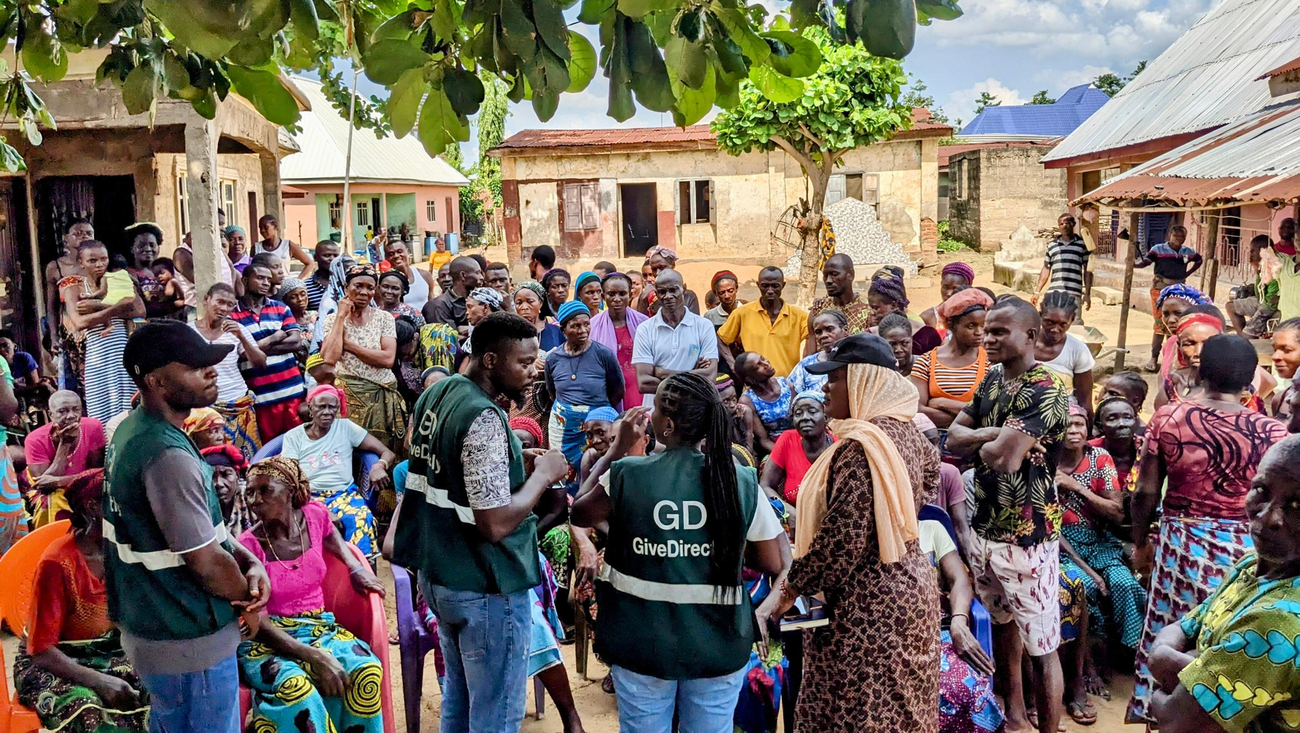
Google released a major update alongside a new UN report called “Leveraging AI to enhance multi-hazard early warning systems.” The story is simple: AI models are now predicting storms, floods, and fires with surprising accuracy. For example, Google’s WeatherNext model predicted Hurricane Melissa’s historic Jamaican landfall five days in advance, giving authorities time to warn everyone. In Nigeria, Google’s river flood forecasts helped trigger cash transfers so families could evacuate or buy sandbags before the water rose.
These tools aren’t just experiments. Google’s Flood Hub now covers over 2 billion people across more than 150 countries. Public alerts from governments reach people via Search, Maps, and Android phones over 10 million times per day on average. Even earthquakes get early warning—the Android Earthquake alert system recently notified millions in Venezuela seconds before shaking hit. And after disasters, satellite imagery analysis (like the Building Damage Assessment model) helps aid workers figure out which buildings need help most.
“We’re making progress together towards a world where no one is surprised by a natural disaster.” — Google Crisis Resilience Team
Why This Matters for Your Business
You don’t need a government contract to use these tools. They’re free and accessible through Google products you already use. Here’s how they can help your SME:
- Flood forecasts — If your shop or warehouse is in a flood-prone area, Flood Hub can give you a 5–7 day heads-up. That’s time to move inventory, back up files, and warn your team.
- Wildfire tracking — Google’s fire boundaries on Search and Maps cover 34 countries, including parts of Southeast Asia. If you’re in a haze-prone region, you can monitor risks near your delivery routes or suppliers.
- Earthquake alerts — Android phones become mini-seismometers. In an earthquake, your staff get seconds to drop, cover, and hold—enough time to shut off machinery or move to safety.
- Post-disaster damage check — The Building Damage Assessment tools can analyze satellite images of your area after a disaster. If you have multiple properties, you can quickly find out which ones need attention without sending someone into danger.
These aren’t hypotheticals. In Nigeria, the NGO GiveDirectly used Google’s flood forecasts to send cash before flooding, letting families buy sandbags and evacuate early. In Kogi State, that same approach helped protect homes and businesses. For your SME, it means less downtime, less damage, and better peace of mind.
The Bigger Picture
This isn’t about a single app. It’s about a shift from reacting to disasters to anticipating them. AI is getting better at parsing satellite data, weather models, and local info to give you more accurate, earlier warnings. But it’s not magic—you still need a plan. Backup data in the cloud, keep emergency contacts handy, and train your team on what to do when an alert pops up.
The trend is clear: crisis resilience tools are becoming more local and more powerful. Google is working with national weather agencies in places like the Czech Republic, Nigeria, and Vietnam to improve forecasts with local data. That means eventually, Malaysian SMEs could get predictions tailored to your specific river basin or neighborhood. The sooner you start using these tools, the more you’ll know how to act when the next storm comes.
Want to see how Google’s crisis tools can fit into your actual business routines?
Book a free 15-min call to see how AI-driven crisis resilience applies to your business →