
Your Customers Are Already Searching Before They Contact You
If you run a Malaysian SME, your customer may spend considerable time researching before sending a WhatsApp message, visiting your shop, or requesting a quotation. They may photograph a product, compare similar options, look for installation guidance, or check whether an item suits their space. If your business is not prepared for these search behaviours, you may lose the enquiry before you even know it existed.
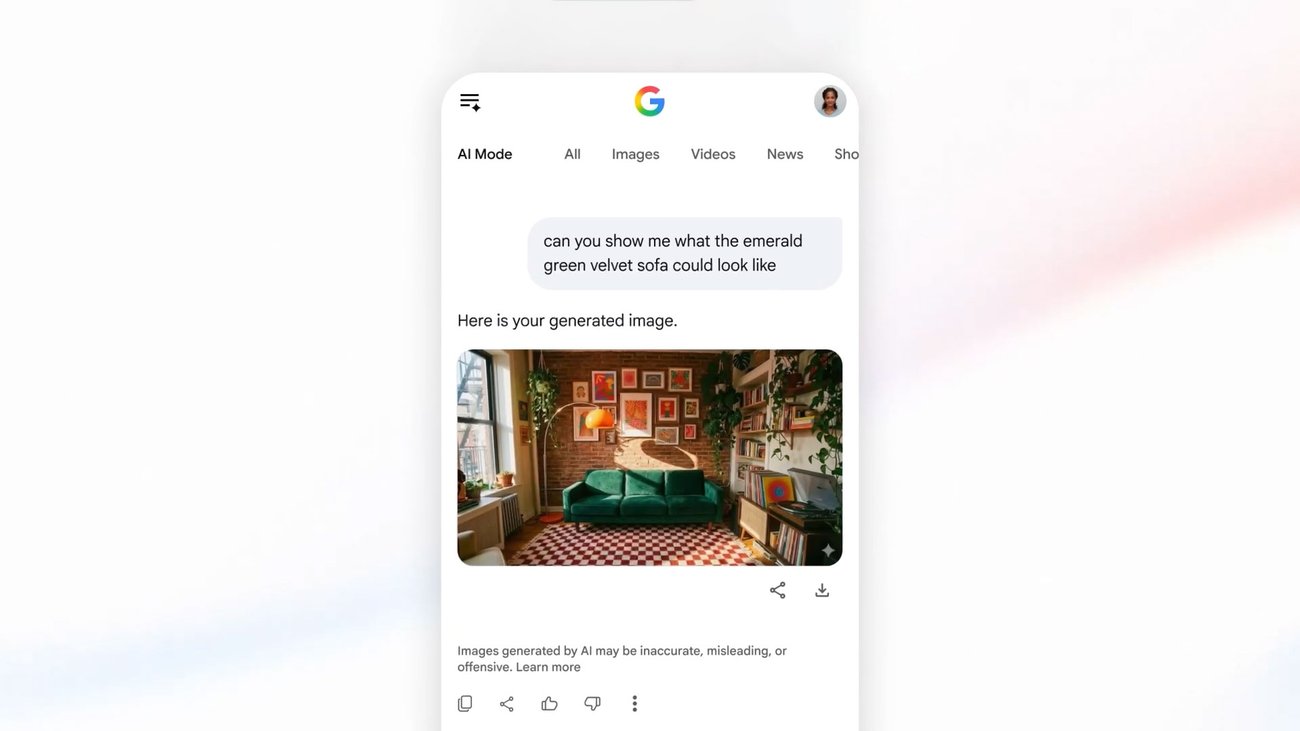
Google’s latest home decor search tools show where customer expectations are heading. People can use visual search, image recognition, product comparisons, AI-assisted recommendations and live guidance to move from inspiration to action. Although the examples focus on home decoration, the same habits apply to furniture retailers, renovation contractors, interior designers, hardware shops, property businesses and many other SMEs.
TL;DR: Customers increasingly use photos, visual search and AI tools to discover, compare and understand products. You can respond by improving your product information, images, local search presence and after-sales guidance.
The practical lesson is simple: make it easy for customers to identify what you sell, understand whether it suits their needs and take the next step with confidence.
What This Means
Google describes several Search features that help people plan and complete home decor projects. These include visualising furniture in a room, using Google Lens to identify an object, using Circle to Search to find similar products, receiving live support for DIY tasks and checking product price history.
These tools reduce the distance between a customer’s idea and a purchase decision. A person does not need to know the exact product name. They can begin with a photo, a social media post or a vague description, then use search technology to find relevant options.
For your business, this means product discovery is no longer limited to customers typing your brand name. Someone may find you because your product image appears in a visual search, because your location information answers a local query, or because your online catalogue explains a common problem clearly.
Key insight: When customers search with images and questions, businesses that provide clear visual and practical information are easier to discover and easier to trust.
Google reported that searches for “home decor inspo” increased by 300% during the month referenced in its article, while “fish wallpaper” searches increased by 140%. Each data point comes from Google’s published article and reflects its stated search trend period. Source: Google You should not assume the same trend applies directly to your category, but it demonstrates how quickly customers can move from inspiration to product research.
How This Applies to Malaysian SMEs
1. Make your products easy to recognise visually. Suppose you sell custom curtains, kitchen cabinets or lighting. A potential customer may take a screenshot from TikTok, Instagram or a renovation video and search for something similar. If your website and Google Business Profile contain sharp, well-labelled images, your business has a better chance of appearing during that research journey.
Use several images for each important product or service. Show the item from different angles, include close-ups of finishes and place it in a realistic room or working environment. For renovation businesses, show completed projects with descriptions such as “condominium kitchen renovation in Shah Alam” or “built-in wardrobe installation in Johor Bahru.” Avoid posting only generic supplier photographs that appear on many other websites.
2. Answer the questions customers ask before they call. A Malaysian customer considering floating shelves, for example, may want to know whether the wall is suitable, what measurements are needed and whether installation is included. A furniture retailer can publish a short guide explaining room measurements, delivery access and maintenance. A renovation contractor can explain the usual project stages, information required for a quotation and common causes of delay.
This content does not need to be technical. Write in plain language and use examples relevant to local homes, shoplots, condominiums and terrace houses. Include practical details such as service areas, appointment methods, lead times and whether customers should send photos through WhatsApp. Clear answers help customers decide whether to contact you.
3. Prepare for customers comparing similar products. Google Lens and Circle to Search allow users to find visually similar items. If you sell vintage-style furniture, decorative tiles, lamps or wallpapers, customers may discover alternatives from several sellers within minutes. Your response should be a clear reason to choose your business, such as made-to-measure service, local installation support, material guidance or dependable after-sales communication.
Do not rely on broad claims. Create comparison-friendly information: dimensions, material, colour options, suitable room types, care instructions and installation requirements. If an item is custom-made, explain what can be changed and what information you need before confirming a design. This helps you attract enquiries from customers who understand what you offer.
4. Turn live guidance into a service opportunity. Search Live demonstrates that customers increasingly expect step-by-step help while they are doing something. For your SME, this can become a structured support process. A hardware retailer could provide a short video on measuring for a shelf. A blinds supplier could guide customers through window measurements. An air-conditioning service company could show customers what information to prepare before booking a visit.
You do not need to provide unlimited personal support. Create a small library of useful videos, FAQs and checklists. Then direct customers to the relevant resource through your website, Google Business Profile, email or WhatsApp. Your team can spend less time repeating basic instructions and more time handling cases that genuinely require expertise.
A Simple Data-Ready View of Search Behaviour
| Customer action | What the customer may use | What your business should provide |
|---|---|---|
| Find a product from a photo | Google Lens or visual search | Original product images, descriptive filenames and clear product pages |
| Find similar items from a video | Circle to Search | Distinctive product photos, useful specifications and contact details |
| Check whether an item fits | AI-assisted Search or measurement questions | Dimensions, room examples and measurement instructions |
| Complete a DIY task | Live visual guidance or online videos | Short tutorials, safety notes and installation support information |
| Compare purchase options | Product listings and comparison search | Accurate descriptions, updated availability and clear enquiry steps |
The table is a planning framework rather than a forecast. The source article describes the available Search behaviours and examples, while your own customer messages, website enquiries and sales conversations should guide which actions matter most for your business. Source: Google
Practical Takeaways for Your Business
- Audit your top products: Choose 10 important products or services and check whether each has clear photos, dimensions, descriptions and enquiry instructions.
- Use local wording: Mention the towns, districts or service areas you genuinely cover, such as Petaling Jaya, Klang, Melaka or Kuching.
- Add customer-use images: Show products in real rooms, shops, offices or completed projects rather than relying only on catalogue pictures.
- Create visual FAQs: Explain measurements, installation preparation, maintenance and suitable use cases with diagrams or short videos.
- Keep your Google Business Profile updated: Check opening hours, phone numbers, photos, services and location details.
- Make WhatsApp useful: Tell customers what to send, such as room photos, measurements, preferred colours or delivery location, so your team can respond accurately.
- Track repeated questions: If customers ask the same question five times, turn the answer into a webpage, video, checklist or saved reply.
- Review information regularly: Remove discontinued products and correct outdated specifications before customers find conflicting details.
What to Avoid
Do not upload images without context and expect search tools to explain your business for you. A photo may attract attention, but customers still need facts. Do not publish specifications you have not checked. Incorrect dimensions, unavailable colours or unclear service areas can create unnecessary enquiries and damage trust.
You should also avoid copying competitors’ descriptions. Write from your own experience. Explain what customers commonly get wrong, how your process works and what preparation makes a project smoother. This kind of practical detail is more useful than exaggerated marketing language.
The Bigger Picture
Search is becoming more visual, conversational and task-oriented. Customers may start with an image, continue with a question and finish with a local service enquiry. This creates an opportunity for Malaysian SMEs because you do not need a large content department to be helpful. You need accurate information presented in formats that customers can understand quickly.
Over time, the businesses that stand out will be those that connect discovery with action. They will show real work, explain suitability, answer measurement questions and provide clear next steps. Their online presence will support the sales team instead of merely displaying a logo and contact number.
Start with one customer journey this week. Choose a product or service that generates frequent questions. Add better images, write a helpful explanation, include local service details and create a simple way for customers to send the information you need. Then observe the enquiries you receive. Small improvements in clarity can make your business easier to find, easier to evaluate and easier to contact.
Ready to Streamline Your Operations?
Your business should run itself. AutoRunBiz deploys AI agents to automate your daily operations — WhatsApp orders, invoicing, customer follow-ups, and accounting. Book a free 15-min ops audit to see where automation fits your business →