
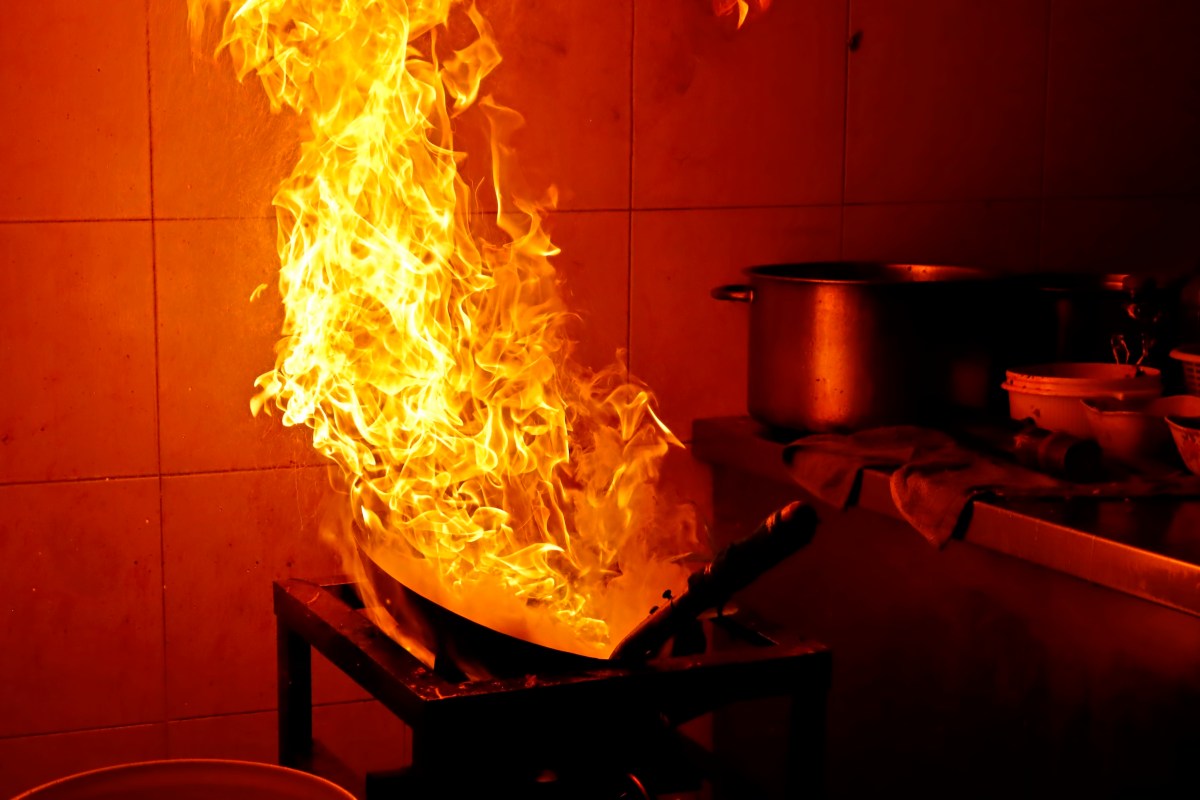
A small fire can become a business continuity crisis
You may already have fire extinguishers, alarms and emergency procedures in place. Yet a fire in a commercial kitchen, workshop, storeroom or electrical cabinet can still disrupt your business long after the flames are gone. Smoke, water, chemical residue, damaged equipment and regulatory checks can keep your premises closed while your team tries to recover.
The more practical question is not simply, “Can you put out a fire?” It is, “Can you detect and contain one early enough to protect your people, equipment and ability to operate?” New fire-suppression technology, including sound-powered systems being tested by Sonic Fire Tech, points towards a more targeted approach: detect a fire quickly and suppress it without creating a second cleanup problem.
TL;DR: Sound-powered fire protection uses sensors and low-frequency sound to disturb flames within seconds, without water or chemical discharge. It is still undergoing testing and approval, but the underlying lesson is useful now: Malaysian SMEs should combine early detection, automated alerts and clearly assigned response procedures.
What This Means
Sonic Fire Tech is developing a system that sends inaudible, low-frequency sound waves through ceiling-mounted PVC pipes after sensors detect a fire. The company says its system operates at around 20 Hz and can act within seconds. TechCrunch reported these technical details.
Unlike a sprinkler system, this type of solution is designed not to release water. Unlike some chemical extinguishing systems, it aims to suppress flames without leaving chemical residue. That could be useful in locations where water damage is almost as disruptive as the fire itself, such as commercial kitchens, server rooms, electrical areas, stockrooms and production spaces.
However, this technology is not yet a replacement for approved fire protection equipment. The company is testing the system for approval from the National Fire Protection Association, which publishes model codes used by fire authorities in the United States. The approval process typically takes about three years, according to the source article. TechCrunch reported the approval timeline and testing stage.
For you as an SME owner, the broader idea matters more than the product itself: fire protection is moving towards faster detection, more precise suppression and better integration with building systems. That gives you a useful direction when reviewing your own safety arrangements.
“The best fire response is not only about extinguishing the flames. It is about reducing the time between detection, action and business recovery.”
How This Applies to Malaysian SMEs
1. Commercial kitchens need more than a wall-mounted extinguisher. Restaurants, cafés, bakeries, caterers and central kitchens face risks from cooking oil, gas appliances, electrical equipment and exhaust systems. A fire may begin when nobody is standing directly beside the stove. By the time a worker notices smoke, the fire may have spread into the hood, ducting or nearby storage.
You can improve readiness by combining heat or smoke detection with automatic notifications to the owner, outlet manager or security team. Your checklist should cover fuel and gas shut-off procedures, hood and duct cleaning, extinguisher access, staff training and emergency contact details. The source article notes that 50% of home fires start in kitchens, although that figure applies to homes rather than Malaysian commercial premises. TechCrunch cited the kitchen-fire statistic. The practical takeaway is still relevant: cooking areas deserve focused protection, not generic coverage.
2. Retailers and warehouses should protect high-risk zones. Your shop may contain cardboard packaging, plastics, textiles, batteries, chargers and electrical equipment. A small fire in a stockroom can spread quickly, especially if boxes block access to extinguishers or emergency exits. Instead of treating the entire premises as one risk area, map locations where ignition is more likely: charging points, electrical panels, back rooms, kitchens, machinery and storage racks.
Use a simple risk register with three columns: location, possible ignition source and first response. Add inspection dates so someone is responsible for checking each area. If you have CCTV, make sure the camera view includes critical zones and that alerts can reach someone outside operating hours. Fire protection is far more useful when your team knows who receives the alert and what they must do next.
3. Workshops and small factories need to consider batteries and machinery. Businesses using cordless tools, e-bikes, power banks, laptops or other lithium-ion batteries should create a dedicated charging and storage area. Do not allow damaged or swollen batteries to remain in general storage. Keep chargers away from combustible materials, avoid overloaded power strips and record which employee is responsible for checking charging equipment at the end of the day.
The source article says Sonic Fire Tech’s tests did not extinguish lithium-ion fires but helped contain them by limiting cell-to-cell spread. TechCrunch reported the company’s early lithium-ion test results. This is an important reminder that no single system solves every fire risk. Battery incidents may require isolation, specialist equipment, evacuation and professional response rather than a casual attempt to use a standard extinguisher.
4. Offices and service businesses should protect their continuity systems. An office fire may begin near a pantry, printer, server, distribution board or air-conditioning equipment. Even when the flames are contained, smoke and water can damage computers, documents and customer records. Store backups away from the premises or in a reliable cloud system, document your essential processes and maintain a list of critical suppliers and contacts.
For an SME with one location, business continuity can feel like a large-company concern. It is not. If your premises become unusable for several days, you may need a temporary workspace, alternative fulfilment location or remote operating plan. Fire prevention and digital backup should therefore be managed together.
Practical Takeaways for Your Business
- Map the risk zones: identify kitchens, charging points, electrical panels, machinery, storerooms and areas with combustible materials.
- Check your detection coverage: confirm that alarms can detect the types of fire most likely in each area.
- Set up escalation: decide who receives alerts after business hours and who contacts emergency services.
- Keep access clear: make sure extinguishers, exits, electrical shut-offs and gas shut-offs are not blocked.
- Train every shift: include part-time, temporary and new employees in basic fire response instruction.
- Inspect regularly: record checks for alarms, extinguishers, emergency lighting, wiring, gas equipment and battery chargers.
- Separate battery risks: isolate damaged batteries and create clear charging and storage rules.
- Protect your records: back up customer, accounting, inventory and operational data outside the premises.
- Review approved solutions: ask qualified fire-safety professionals whether any new technology is approved and suitable for your building.
- Test the plan: run a short drill so staff know where to gather, whom to call and what not to do.
A simple fire-readiness scorecard
| Area | Check | Suggested review frequency |
|---|---|---|
| Fire alarms | Test sound, visibility and alert escalation | Monthly |
| Emergency exits | Confirm routes are clear and signs are visible | Weekly |
| Extinguishers | Check access, condition and inspection status | Monthly |
| Electrical equipment | Look for heat, damaged cables and overloaded sockets | Weekly |
| Battery charging | Inspect chargers, batteries and surrounding materials | Daily |
| Staff readiness | Review evacuation roles and contact procedures | Quarterly |
The review frequencies above are practical management suggestions, not statutory requirements. You should confirm legal and technical obligations with the relevant Malaysian authorities, building management and qualified fire-safety professionals.
The Bigger Picture
Fire protection is gradually becoming more connected to sensors, remote alerts, building automation and operational data. A future system may not only detect smoke; it may identify temperature changes, isolate equipment, notify responsible people, guide evacuation and create an incident record automatically.
That trend is especially relevant for SMEs because you may not have a full-time facilities team. Automation can help close the gap between an event happening and someone taking action. Still, automation does not remove the need for human judgment. A sensor can send an alert, but your team must know whether to evacuate, isolate equipment, call emergency services or avoid entering the affected area.
New suppression methods also need careful evaluation. Sonic Fire Tech’s system is still in development and testing, and its reported results should not be treated as a general approval for commercial use. The source article describes the technology as being tested for future certification. Before adopting any emerging product, check certification, installation requirements, maintenance support, compatibility with your premises and acceptance by your insurer or building operator.
The sensible approach is to build layers. Start with good housekeeping, suitable equipment, reliable detection, trained staff, clear evacuation procedures and data backups. Then consider connected monitoring or newer suppression technology where it fits your actual risks.
You do not need to wait for a new product to improve fire readiness. Walk through your premises this week, identify the three highest-risk areas and assign one person to review each. A few clear responsibilities can make your response faster, reduce confusion and give your business a better chance of continuing after an incident.
Ready to Streamline Your Operations?
Your business should run itself. AutoRunBiz deploys AI agents to automate your daily operations — WhatsApp orders, invoicing, customer follow-ups, and accounting. Book a free 15-min ops audit to see where automation fits your business →