
Why This Free AI Access Matters to Your Business
You may already have staff using AI to draft emails, translate customer messages, summarise documents, create social media captions, or organise information. The problem is that many SMEs adopt these tools informally. One employee tries an app, another copies in internal information, and nobody is sure what should or should not be shared.
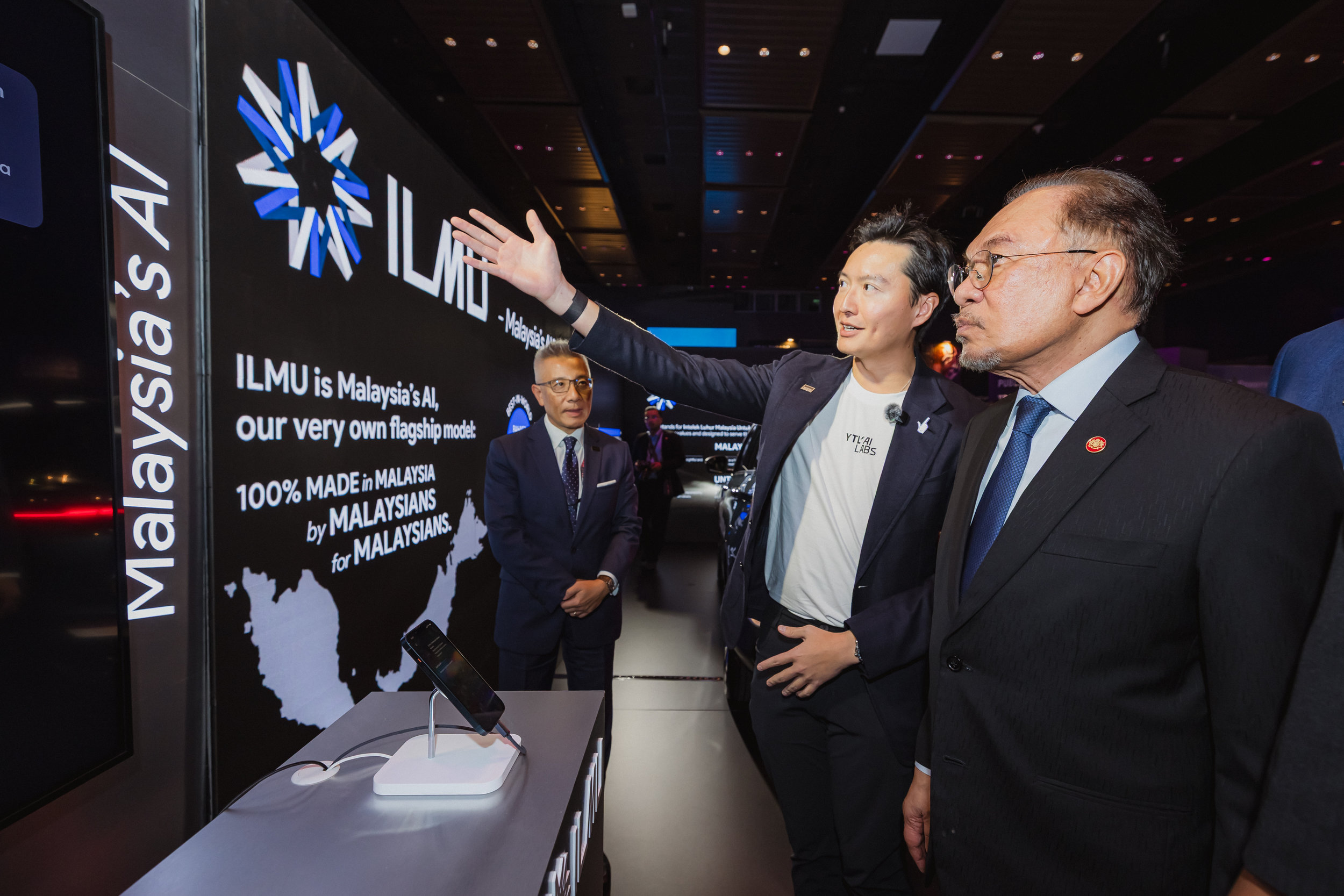
A new initiative reported by SoyaCincau gives eligible young Malaysians free access to ILMUchat Pro for three months through the AI Untuk Rakyat programme. The offer is aimed at young Malaysians, and the reported access period is three months. Read the source report here.
For you as an SME owner, the important point is not simply the promotion. It is the opportunity to test useful AI workflows with your team, learn where the technology helps, and set sensible rules before AI becomes embedded in everyday operations.
TL;DR
If you have eligible young Malaysian employees, invite them to explore the three-month ILMUchat Pro access as a controlled learning exercise. The reported offer and eligibility details are available from SoyaCincau.
Use the trial to improve routine work, but do not paste confidential customer, employee, supplier, or financial information into an AI tool without clear approval and safeguards.
What This Means
ILMUchat is an AI assistant designed to respond to instructions and help with language-based tasks. A Pro access period generally means users receive access to additional or expanded capabilities compared with a basic account, although the exact features, eligibility requirements, registration process, and usage limits should be checked against the current programme instructions.
In practical terms, your staff can ask the tool to turn rough notes into a customer reply, create a first draft of a standard operating procedure, simplify a technical explanation, prepare interview questions, or suggest several versions of a marketing message. The output is a starting point, not an automatic final answer.
AI can produce text that sounds confident while containing errors. It may misunderstand Malaysian regulations, invent details, use unsuitable wording, or miss the context of a customer relationship. You still need a person to check facts, tone, calculations, promises, and sensitive decisions.
The most useful AI policy for a small business is simple: use AI to prepare work faster, but keep people responsible for approving work.
How This Applies to Malaysian SMEs
1. Customer service and WhatsApp replies. A Malaysian SME often handles questions in English, Bahasa Malaysia, Mandarin, Tamil, or a mixture of languages. You can ask an AI assistant to draft a polite response in Bahasa Malaysia, shorten a long explanation, or produce a clear reply for a customer who is comparing products. Your staff should then confirm product availability, delivery details, warranty terms, and any promises before sending the message. This helps your team respond consistently without making the AI responsible for the customer relationship.
2. Sales and follow-up work. Your sales staff can use AI to organise notes after a meeting, suggest follow-up questions, or create a structured proposal outline. For example, a salesperson returning from a site visit can provide general, non-confidential notes and ask for a list of next actions. The salesperson must still check whether the suggested actions match what the customer actually requested. Do not include identity card numbers, private contact details, unpublished quotations, or sensitive contract information unless your approved process specifically permits it.
3. Standard operating procedures. Many small businesses depend on one experienced employee knowing how everything works. That creates a risk when the person is absent or leaves. You can use AI to turn an approved process into a clearer checklist for opening a shop, receiving stock, handling returns, preparing documents, or escalating complaints. Start with your own accurate instructions, ask the tool to arrange them into steps, and have the process owner review the final version. AI should improve the presentation of your knowledge, not replace it.
4. Content and local marketing. A café, tuition centre, retailer, clinic, workshop, or professional service firm can use AI to suggest content themes for Facebook, Instagram, email, or a website. You could ask for ten post ideas connected to Malaysian festive periods, customer questions, or common service problems. Before publishing, check cultural references, spelling, claims, images, and whether the message sounds like your business. Generic content is easy to produce; useful local content still requires your experience.
5. Staff learning and onboarding. Younger employees who receive access through the programme can become internal AI champions. Ask them to demonstrate safe uses to the rest of the team, prepare examples relevant to your business, and document prompts that work well. This gives you a practical way to build confidence without asking every employee to learn through trial and error. Set a rule that AI-generated training material must be reviewed before it becomes official guidance.
A Simple SME AI Use Plan
| Business area | Suitable first task | Human check required |
|---|---|---|
| Customer service | Draft and translate routine replies | Facts, tone, commitments, and personal data |
| Sales | Summarise meeting notes and prepare follow-ups | Customer requirements and agreed actions |
| Operations | Convert approved instructions into checklists | Safety, sequence, and staff responsibilities |
| Marketing | Generate content ideas and first drafts | Claims, brand voice, images, and local relevance |
| Administration | Organise non-sensitive information | Names, dates, figures, and document accuracy |
Practical Takeaways
- Check whether your young Malaysian employees meet the programme’s eligibility requirements before planning the trial. Refer to the reported offer details.
- Choose two or three low-risk workflows first, such as drafting replies, improving internal checklists, or creating content ideas.
- Create a short “do not paste” list covering passwords, identity documents, bank information, confidential contracts, private employee matters, and unpublished business data.
- Ask staff to label AI-generated drafts clearly until a manager has reviewed them.
- Require a human check for legal, tax, safety, medical, employment, and financial information.
- Keep a shared record of useful prompts, successful examples, common mistakes, and approved workflows.
- Compare the time and quality of the old process with the AI-assisted process using your own internal observations, rather than assuming every task improves.
- Review the arrangement before the access period ends and decide which uses should continue under your company’s data and approval rules.
How to Write Better Prompts
Your staff do not need technical knowledge to get better results. They should explain the role, task, context, audience, format, and limits. For example, instead of writing “reply to customer”, they can write: “Draft a polite Bahasa Malaysia reply to a customer asking about delivery timing. Use a helpful tone, keep it under 100 words, do not invent a date, and leave a blank where the confirmed delivery date should be inserted.”
They should also ask the tool to identify missing information. A useful instruction is: “Before drafting, list any facts that must be confirmed.” This reduces the risk of staff accepting a smooth-looking answer that is based on assumptions.
Finally, ask for alternatives. You might request a formal version, a friendly version, and a short WhatsApp version. Your employee can then choose the most suitable draft and edit it for the actual customer.
The Bigger Picture
The longer-term value of this initiative is the conversation it can start inside your company. AI adoption does not need to begin with a large technology project. It can begin with one staff member testing one repetitive task, documenting the result, and showing colleagues what works.
However, wider access also makes governance more important. When tools become easy to obtain, informal use can spread quickly. Your business should decide who may use AI, what information is restricted, which outputs require approval, and how mistakes should be reported. A one-page policy is better than no guidance.
Over time, the SMEs that benefit most will not necessarily be those using AI for the most tasks. They will be the businesses that connect AI use to clear processes, reliable information, customer needs, and accountable employees. The free access period can help you experiment, but your operating discipline determines whether the experiment creates lasting improvement.
Start small: select one customer-service task, one internal task, and one marketing task. Let your team test them, review the outputs together, and record what changed. That gives you evidence for the next decision while keeping the risks manageable.
Ready to Streamline Your Operations?
Your business should run itself. AutoRunBiz deploys AI agents to automate your daily operations — WhatsApp orders, invoicing, customer follow-ups, and accounting. Book a free 15-min ops audit to see where automation fits your business →