
Your Morning Start Wasn’t Supposed to Look Like This
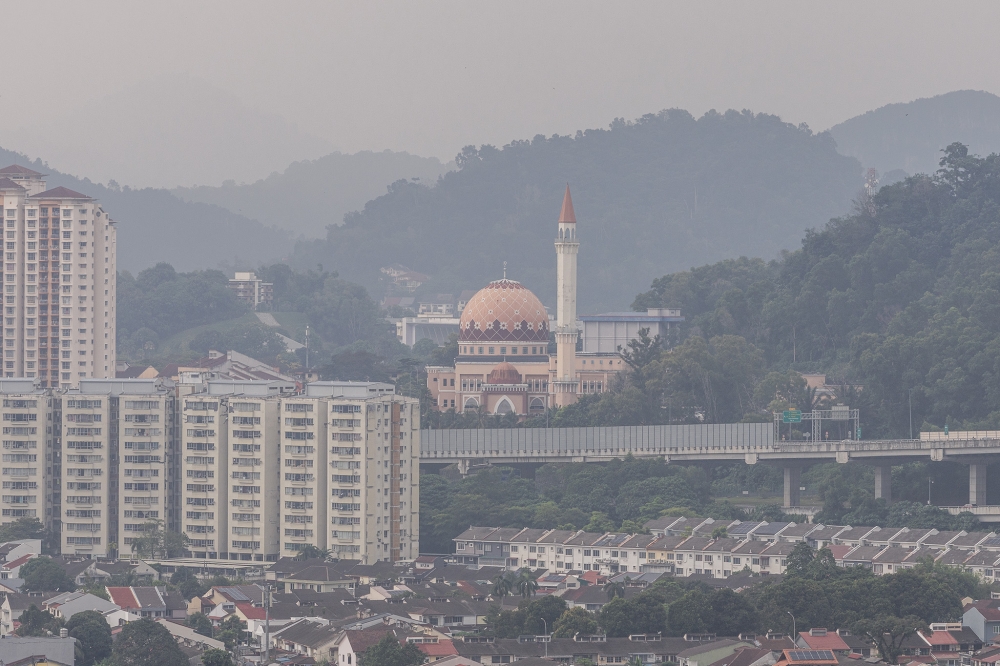
You wake up on a Friday, glance outside, and see that familiar grey wash over the skyline. Your phone buzzes with a weather alert. You check the Air Pollutant Index (API) and your stomach drops: Serian is at 183. Kuching and Samarahan are at 171. Even Cheras in the Klang Valley is chokingly at 153. This isn’t a headline — this is your operating environment.
When you run a business with 1 to 50 employees, an unhealthy API reading isn’t just a public health footnote. It’s a silent tax on your day. Your shop gets quieter because customers stay home. Your delivery riders come back coughing. Your office staff are sluggish, their heads heavy, their focus scattered. You can’t exactly tell the haze to come back next week.
Here’s what the data actually says: on August 14, 2026, 10 locations across Malaysia recorded unhealthy air quality, with most of them in Sarawak. Only two locations in the entire country reported “good” air. This is your new reality — and it’s worth planning for.
TL;DR
Ten Malaysian locations logged unhealthy API readings above 100 on the morning of Aug 14, led by Serian at 183, according to the Malaysian Air Pollutant Index Management System (APIMS). For SME owners, this means three things: protect your people, protect your deliveries, and protect your customer experience. You need a haze playbook before the next API spike, not after.
What This Means: API 101 for Business Owners
Let’s strip the jargon away. The Air Pollutant Index is a scale of how polluted the air is, tracked hourly from 68 monitoring stations nationwide. The bands are straightforward: 0–50 is good, 51–100 is moderate, 101–200 is unhealthy, 201–300 is very unhealthy, and anything above 300 is hazardous (source).
When Serian hits 183, that’s not a borderline reading. It’s firmly in the “unhealthy” zone — the kind of air that health authorities advise sensitive groups to avoid entirely. And here’s the part that matters for you: 56 locations across the country were at moderate levels the same morning, with only two areas recording good air quality (source). In plain terms: almost nobody is breathing clean air right now.
For a business owner, the question isn’t whether the haze is bad. The question is: what do you do differently on a day when the air outside is officially unhealthy?
How This Applies to Malaysian SMEs
Let’s talk about your delivery team first. If you run a food delivery operation, a courier service, or a logistics fleet, your riders are the backbone of your business. On a day when API readings in Kuching hit 171 (source), those riders are spending eight to ten hours on a motorcycle in air that’s not safe to breathe. Exposed to that for a full shift, they’ll get sick. When they get sick, you lose riders. When you lose riders, your delivery promises break. Your customers don’t care about the API — they care that their nasi lemak arrived cold and late.
Now think about your physical premises. If you operate a retail shop, a café, or a salon in Johor — where Johan Setia logged 150 and Shah Alam hit 103 (source) — your foot traffic will drop on bad air days. Customers weigh the hassle of leaving the house against their own health. You can’t force them to come in. But you can make the experience safer: proper air filtration inside, clear communication about what you’re doing, and options that don’t require them to physically show up.
Finally, consider your indoor staff. If you have a team of five to forty people working in an office or a workshop, you are their front line of defence. Air that’s modally unhealthy — API between 51 and 100, which 56 locations experienced that morning (source) — might not trigger a crisis response, but it still degrades cognitive function and physical stamina across your team. A day of sluggish, headache-ridden staff is a day of missed deadlines, careless errors, and mounting tension.
You can’t control the API reading over your town. But you can control how your business responds to it — and the businesses that respond well are the ones that don’t lose a week of productivity every haze season.
Practical Takeaways: Build Your Haze Playbook
Here’s a simple checklist you can implement before the next API spike hits. No jargon, no theory — just actions.
- Set your own thresholds. Don’t wait for the government to tell you what to do. Decide in advance: at API 150, delivery riders get extended breaks and N95 masks. At API 200, you go pickup-only. At API 100, your office ventilation gets an extra filter check.
- Make indoor air a business priority. Install or service air purifiers in your common spaces. Check your air-conditioning filters monthly during haze season. A sealed, filtered workspace keeps your team functional.
- Create a flexible work plan. For desk-based tasks, let staff work from home on bad air days. If that’s not possible, rotate outdoor duties so no single person gets the full brunt of a shift outdoors.
- Pre-stock protective gear. N95 masks for riders and outdoor staff should be bought in advance and kept on-site. When the API spikes, you don’t want to be scrambling at the pharmacy along with everyone else.
- Communicate with your customers. If you’re cutting delivery radius or hours, say so — clearly and early. Customers forgive businesses that operate responsibly, but they won’t forgive silent delays.
- Track the API daily. The APIMS system updates hourly with data from 68 monitoring stations (source). Make it part of your morning routine, like checking your messages.
The Real Numbers Behind the Haze
Here’s what the August 14 morning actually looked like across the affected areas, according to APIMS data:
| Location | API Reading (10am, Aug 14) | Status |
|---|---|---|
| Serian, Sarawak | 183 | Unhealthy |
| Kuching, Sarawak | 171 | Unhealthy |
| Samarahan, Sarawak | 171 | Unhealthy |
| Sri Aman, Sarawak | 163 | Unhealthy |
| Sarikei, Sarawak | 158 | Unhealthy |
| Cheras, Selangor | 153 | Unhealthy |
| Johan Setia, Selangor | 150 | Unhealthy |
| Shah Alam, Selangor | 103 | Unhealthy |
Across the country, 56 more locations were sitting in the moderate band, and just two were rated good (source). That means the vast majority of Malaysian SMEs are operating in conditions that aren’t ideal — even if the numbers haven’t crossed the “unhealthy” line yet.
The Bigger Picture: Haze Is a Recurring Business Condition
Here’s the uncomfortable truth: the haze is not a sporadic event anymore. It’s a seasonal pattern that shows up when dry weather and wind patterns align with regional fire activity. That means this year’s August spike won’t be the last. The businesses that treat haze as a recurring condition — like the monsoon season or the year-end school holidays — will be the ones that keep their promises to customers and keep their teams healthy.
There’s also a longer-term shift happening. Customers are starting to notice which businesses take their wellbeing seriously. When your shop is the one with visible air filtration, clear signage about indoor air quality, and a delivery team that still shows up on time wearing masks, you build trust that compounds over repeated haze seasons. That’s not a marketing gimmick; it’s operational reliability that people remember.
For your business, the practical takeaway is simple: build your haze response now, while the air is still reasonably breathable. Don’t wait for the next API reading to hit 183 in your area. The small decisions you make today — stocking masks, servicing filters, setting flexible work rules — are what keep your business moving when the sky turns grey again.
The haze is going to come back. The question is whether your business will be ready for it.
Ready to Streamline Your Operations?
Your business should run itself. AutoRunBiz deploys AI agents to automate your daily operations — WhatsApp orders, invoicing, customer follow-ups, and accounting. Book a free 15-min ops audit to see where automation fits your business →