
When a “Free” Trip From a Vendor Costs You More Than You Think
Imagine this: a supplier you’ve worked with for years calls you up. They want to thank you for your loyalty — an all-expenses-paid trip to a trade show overseas. Flights, hotel, meals, even a bit of sightseeing for the family. No paperwork. No questions. Just say yes.
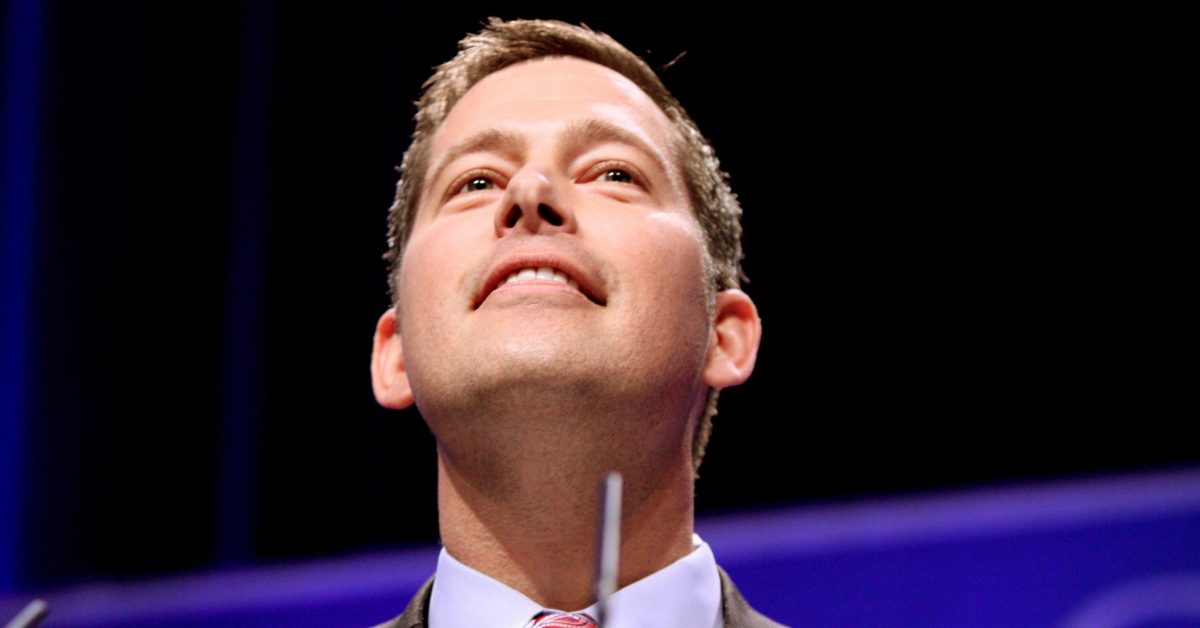
Sounds like a win, right? Before you answer, consider what happened in the United States. The head of the Department of Transportation — the person responsible for roads, vehicles, and fuel policy — spent seven months filming a reality TV show called Great American Road Trip. The fuel, rentals, lodging, and activities were paid for by companies his own department regulates: Boeing, Shell, Toyota, United Airlines, and Royal Caribbean, according to Electrek.
This isn’t a story about American politics. It’s a story about what happens when the person making decisions is also the person receiving favours. And that situation can play out in your business too — just on a smaller scale.
TL;DR
- Vendor-funded perks create conflicts of interest that can destroy trust — even if nothing illegal happens.
- Global oil shocks ripple into Malaysian logistics costs; you need a plan, not a prayer.
- A simple gift policy plus automated approvals protects your SME from bad decisions and bad optics.
What This Means
Let’s strip out the politics. The core issue in that article is straightforward: a person in a position of authority accepted valuable things from companies he was supposed to regulate. The article notes that a DoT spokesperson “admitted that costs for the trip – gas, rentals, lodging and activities – were paid for by sponsors including Boeing, Shell, Toyota, United Airlines and Royal Caribbean” (source). All of those companies had been fined or audited by the department before. The show even had to sit in editing for months to address ethics complaints.
Why does this matter to you? Because when someone receives a personal benefit from a party they’re supposed to oversee, their judgment gets compromised. It doesn’t have to be conscious corruption. It can be as simple as feeling grateful to someone who was generous to you — and that gratitude quietly shapes your decisions.
For your SME, the equivalent looks like this: your purchasing manager accepts a “free” holiday from a supplier, and suddenly that supplier’s quotes always win. Or you, as the owner, take a sponsored “study tour” from a vendor, and you keep renewing their contract even though a cheaper, better option appeared two years ago. Nobody took a bribe. Nobody broke the law. But the damage to your bottom line and your reputation is real.
A free trip from a vendor is never free. It’s an invoice that comes due later — in the form of a favour you didn’t plan to give.
How This Applies to Malaysian SMEs
Here’s where this hits home for Malaysian business owners. Since June 2020, Section 17A of the Malaysian Anti-Corruption Commission Act 2009 makes commercial organisations — including SMEs — criminally liable if their associates commit corruption for the company’s benefit, unless the company has implemented “adequate procedures” (MACC). That means if your salesperson pays a bribe to win a contract, your company can be prosecuted. The directors can face personal consequences. Many larger Malaysian companies have put anti-bribery policies in place, but plenty of SMEs are still operating on handshakes and “duit kopi” — and that’s a serious exposure. The good news is that “adequate procedures” don’t need to be elaborate. A documented gift policy, a register of hospitality received, and a clear approval process can go a long way.
Second, look at the oil price angle. The article describes how the US administration’s policies and the war on Iran “shot oil prices through the roof globally” (source). When global oil prices spike, Malaysian SMEs feel it within weeks — in delivery costs, raw material prices, and shipping rates. If you run a food delivery business, a parts distributor, or an e-commerce operation, fuel is a hidden line item in every single order you fulfil. Do you know what each delivery actually costs you? If not, a sudden oil price spike can quietly eat your margins while you’re focused on growing sales. The fix isn’t to panic — it’s to track your logistics costs per order and build fuel surcharge clauses into your contracts so you’re not absorbing every global shock alone.
Third, consider the reputational lesson. The article’s update notes the show “was stuck for months in editing to address many ethics complaints” — the attempt to cover things up after the fact (source). In business, the cover-up is often more damaging than the original act. If a Malaysian SME is discovered to have hidden a vendor relationship — say, a supplier’s “gift” that was never declared — customers and partners will question everything else about your operations. Trust takes years to build and seconds to lose. A simple, honest policy for declaring gifts and vendor relationships protects you from that risk.
Practical Takeaways
You don’t need a legal department to protect your SME. You need a few simple rules and the discipline to follow them. Here’s a checklist:
- Write a one-page gift and hospitality policy. Define what’s acceptable (a branded pen, a modest meal) and what needs approval (anything beyond that).
- Keep a gift register. Even a simple spreadsheet works. Record who gave what, when, and why. This alone demonstrates “adequate procedures” under Section 17A.
- Separate purchasing approval from payment approval. Don’t let one person control both. This single change prevents most internal corruption.
- Automate your approval workflow. Use software so every purchase, every gift acceptance, and every vendor decision leaves a digital trail nobody can edit later.
- Review your logistics costs monthly. Track fuel costs per delivery and adjust your pricing or delivery fees accordingly.
- Train your team on Section 17A. Ignorance is not a defence. A one-hour session on what counts as corruption can save your company.
| In the US story | Your SME equivalent | The fix |
|---|---|---|
| Regulator accepts trips from companies he regulates | Your procurement manager accepts gifts from suppliers | Gift register + approval workflow |
| Policies raise fuel costs while the sponsor takes a road trip | Global oil spikes raise your delivery costs | Fuel surcharge clauses + route automation |
| Ethics complaints hidden in editing for months | Problems swept under the rug | Automated audit trail + regular reviews |
The Bigger Picture
Here’s the long-term trend worth watching. Multinationals and government-linked companies in Malaysia already run strict vendor due diligence. Before they award you a contract, they will ask about your anti-bribery procedures, your gift policy, and your audit trail. If you don’t have them, you’ll be filtered out — not because you did anything wrong, but because you can’t prove you didn’t.
Automation plays a central role here. It’s not about spying on your team; it’s about making the right behaviour the default. When approvals are routed through a system, when every vendor gift is logged, when logistics costs are tracked automatically — you build a business that can withstand scrutiny. That’s the kind of business that wins bigger contracts, attracts better partners, and sleeps well at night.
The US story is a cautionary tale about what happens when there are no guardrails. Your SME doesn’t need to make that mistake. A little structure now will save you a lot of trouble later.
Ready to Streamline Your Operations?
Your business should run itself. AutoRunBiz deploys AI agents to automate your daily operations — WhatsApp orders, invoicing, customer follow-ups, and accounting. Book a free 15-min ops audit to see where automation fits your business →