
Why Faster AI Matters to Your Business
If you run a Malaysian SME, you may already be using AI for customer replies, document summaries, sales follow-ups, marketing content or internal search. Yet the quality of your AI experience is not determined only by the model you choose. It also depends on how quickly and efficiently the system can process requests.
A customer waiting for a quotation response, a sales executive checking product information during a call, or an accounts clerk extracting details from invoices all experience the same issue: delays create friction. When AI becomes faster, more responsive and easier to operate at scale, it becomes more practical for everyday business work.
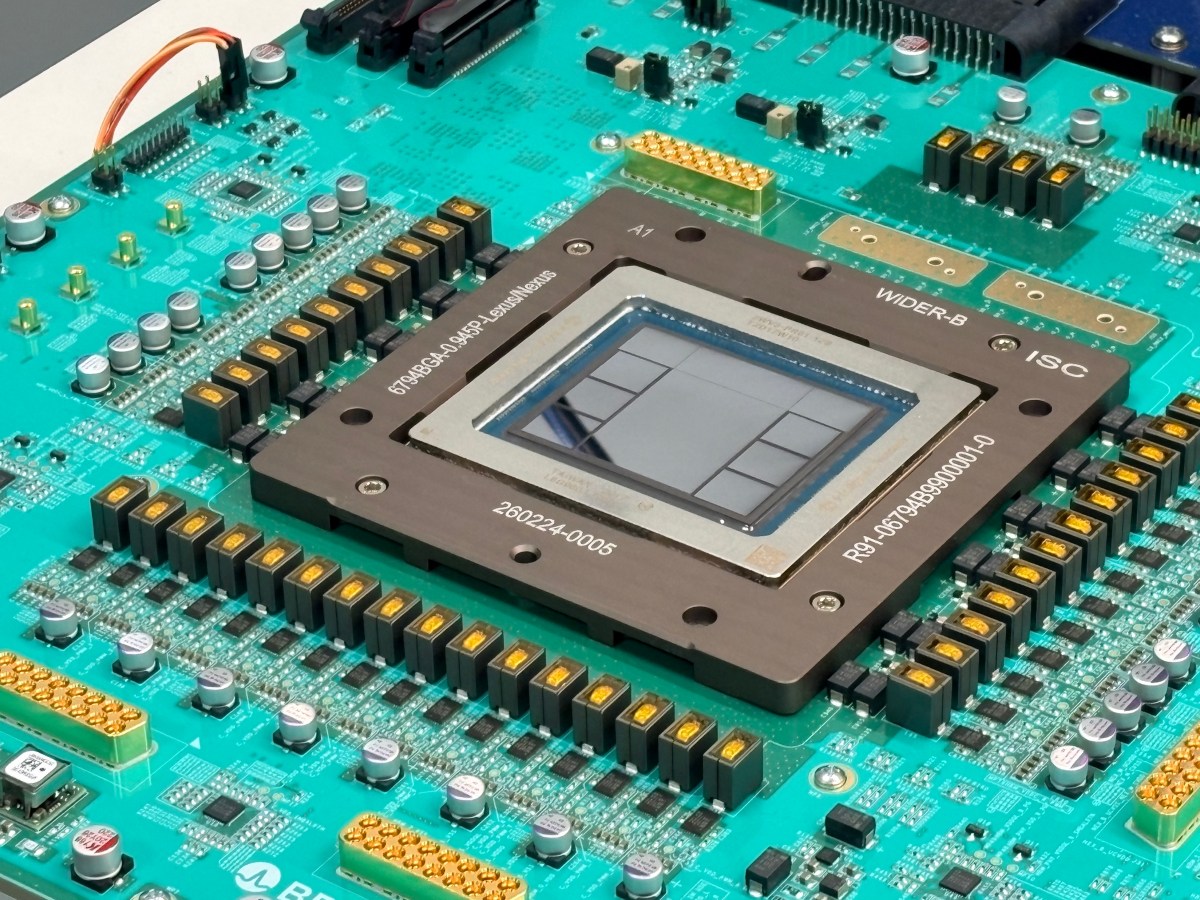
OpenAI’s Jalapeño chip is an example of where AI infrastructure may be heading. The chip is designed specifically for inference—the stage where a trained AI model generates an answer or completes a task. OpenAI says early benchmark results show stronger speed and efficiency than a comparable Nvidia Blackwell system, although the chip is expected to appear only in small volumes at the end of 2026, with wider deployment planned for 2027. Source: TechCrunch
TL;DR
Faster AI chips will gradually make automated customer service, document processing and internal assistants more responsive.
You do not need to buy specialised hardware. Your practical priority is to identify repetitive workflows, measure response delays and choose automation tools that can scale reliably.
What This Means
AI systems generally involve two major stages. First, a model is trained using large amounts of data. Second, the trained model is used to answer questions, classify information, generate content or take an action. The second stage is called inference.
Inference is what happens when your chatbot replies to a customer, when an AI assistant reads a purchase order, or when a system checks whether a form is complete. The faster this processing happens, the quicker your employees and customers receive results.
OpenAI says Jalapeño was designed to reduce delays in several parts of inference, including prefill and communication. Prefill is the process of preparing the user’s request and relevant context before the model begins generating a response. Communication refers to the movement of information between computing, memory and networking components.
The company says its design can keep model information, including the KV cache used during response generation, closer to the processing resources that need it. In plain language, the system aims to reduce unnecessary data movement. That can help it serve more users at the same time while keeping response times low. Source: TechCrunch
The reported tests used SemiAnalysis’ InferenceX benchmark. OpenAI said Jalapeño produced more tokens per user and more throughput per kilowatt than the Nvidia Blackwell system used for comparison. These results are company-presented benchmark results, so you should treat them as an indication of direction rather than a guarantee for every business application. Source: TechCrunch
The business benefit is not “having a faster chip”. It is giving your people and customers a faster answer at the moment it matters.
How This Applies to Malaysian SMEs
1. Customer service can become more immediate. Suppose you operate an online store, repair service, tuition centre or travel business. Customers often ask questions that follow a pattern: product availability, delivery status, operating hours, appointment slots, return rules or required documents. An AI assistant connected to your approved information can answer these questions while your staff focus on exceptions and more personal requests.
Response speed matters because customers often send a second message when the first answer takes too long. A faster inference layer can support more simultaneous conversations and reduce the feeling that a customer is waiting for a human to type every reply. You should still set rules for escalation, especially for complaints, refunds, sensitive personal information and cases involving judgement.
2. Administrative work can move closer to real time. Malaysian SMEs commonly handle invoices, delivery orders, purchase orders, expense claims and supplier documents through email or messaging applications. An automation system can extract names, dates, reference numbers and line items, then route the information to the right person for checking. Faster AI processing means documents can be sorted shortly after they arrive rather than sitting in an inbox until someone has time to review them.
For example, a food distributor could classify supplier documents, flag missing purchase order numbers and send unusual items to an administrator. A renovation company could organise customer quotations and identify whether required project details are present. The AI should assist with checking and routing; your team should approve important financial or contractual decisions.
3. Sales teams can receive useful information during conversations. If your salespeople regularly search old quotations, product specifications or service policies, an internal AI assistant can provide a summary from approved business documents. This is especially useful when your team is visiting customers, replying through WhatsApp Business or handling enquiries outside the office.
Faster responses can make the assistant feel more like a practical work tool and less like another system that employees must wait for. However, the quality of the underlying documents remains critical. If your price lists, product descriptions or policies are outdated, a quick answer can still be the wrong answer.
4. High-volume seasonal activity becomes easier to manage. Malaysian SMEs often experience demand peaks around festive periods, school holidays, campaign launches or industry events. During these periods, the number of customer messages and internal requests can rise sharply. AI infrastructure designed for higher throughput may help service providers support more simultaneous requests without every interaction being handled manually.
You should prepare before the busy period by testing your most common questions, checking escalation rules and confirming who owns the source information. Do not wait until demand is already high to discover that your assistant cannot access current stock, delivery or appointment data.
Useful Numbers to Watch
| Metric | What It Tells You | How to Use It |
|---|---|---|
| First-response time | How long a user waits before receiving an answer | Track customer and employee experience separately |
| Requests per hour | How much work the system can handle during busy periods | Compare normal days with campaign or festive peaks |
| Escalation rate | How often AI must pass a case to a person | Review whether the assistant lacks information or should escalate by design |
| Answer accuracy | Whether the response is correct and useful | Sample conversations and have a responsible employee approve updates |
| Document processing time | How quickly incoming files become organised records | Measure from receipt to review-ready status |
Practical Takeaways
- List five repetitive tasks where staff copy, search, summarise or retype information.
- Record current response times before introducing automation, so you have a useful comparison.
- Start with a controlled workflow such as frequently asked questions, document classification or internal knowledge search.
- Keep sensitive customer, employee and business data within tools that provide suitable access controls and data-handling policies.
- Separate low-risk tasks from high-risk decisions involving contracts, employment matters, compliance or customer disputes.
- Review the source documents used by your AI system and assign one person to keep them current.
- Test the system during realistic busy periods, not only when one person is using it.
- Ask vendors how their system handles slowdowns, usage limits, logging, human approval and service interruptions.
- Measure useful business outcomes such as faster follow-up, fewer manual entries and shorter document queues.
What You Should Do Before Faster Infrastructure Arrives
Do not begin with hardware. Begin with workflow design. Choose one process where the input is reasonably consistent, the desired output is clear and a human can review the result. For example, an AI system could read incoming enquiry messages, identify the topic and suggest a response for staff approval.
Next, create a small set of approved reference materials. This might include your service areas, operating hours, product information, delivery rules and escalation contacts. Remove duplicate or conflicting versions. A faster system connected to messy information will simply produce incorrect answers more quickly.
Finally, define success in terms your team understands. You might track how long it takes to reply to an enquiry, how many documents remain unprocessed at the end of the day, or how often staff must search across multiple systems. These measures help you decide whether an automation project is genuinely useful.
The Bigger Picture
OpenAI’s Jalapeño is planned as a multigenerational platform developed alongside models, products, memory and networking. The broader signal is that AI providers are increasingly designing the full system around practical serving performance, rather than treating the model as the only important component. Source: TechCrunch
For you, this means AI services may gradually become more responsive and capable of handling larger workloads behind the scenes. You may not know which chip is processing your request, and you probably do not need to. What matters is whether the tool fits your workflow, protects your information, gives reliable answers and allows your staff to remain in control.
Competition will also continue. OpenAI’s comparison is against an Nvidia Blackwell system, but the article notes that competing processors may have advanced by the time Jalapeño reaches wider deployment. The reported deployment timeline is small volumes at the end of 2026 and more significant deployment in 2027. Source: TechCrunch
That uncertainty is another reason not to wait for a particular chip. Build your readiness around clean information, clear processes and measurable results. When faster AI infrastructure becomes available through the software tools you already use, your business will be in a better position to benefit from it.
Final Thought
Faster inference is ultimately about reducing waiting: waiting for a customer reply, waiting for a document to be sorted, waiting for a salesperson to find an answer or waiting for your team to complete repetitive administration. Start by identifying where those delays occur in your business today. Then test one carefully controlled automation workflow and improve it step by step.
Ready to Streamline Your Operations?
Your business should run itself. AutoRunBiz deploys AI agents to automate your daily operations — WhatsApp orders, invoicing, customer follow-ups, and accounting. Book a free 15-min ops audit to see where automation fits your business →