
Your customers are about to change their habits for a weekend
You run a business. You see a headline about F1 tickets going on sale, and it feels like distant news. Not your industry. Not your customers. But think about the last time a big event pulled a crowd into your area — a major K-pop concert, a long holiday weekend, a football final. Some businesses had their best weekend of the year. Others got caught with short staffing and empty shelves.
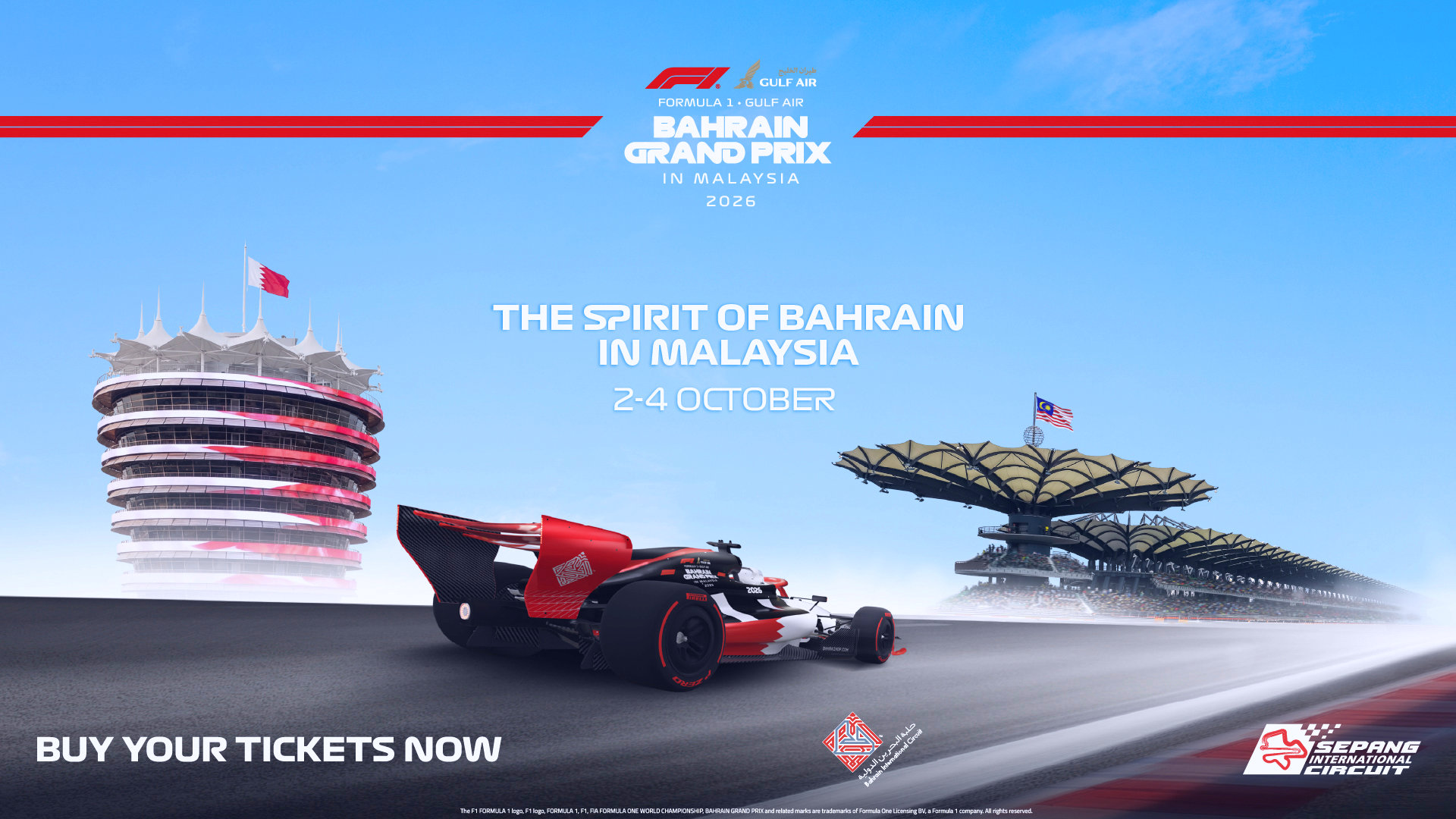
This is that kind of moment. Ticket sales are now open for the F1 Bahrain GP in Malaysia 2026. For you, the timing of this announcement is the real story. Not the race itself — the fact that people will start booking rooms, reserving tables, and planning logistics right now. The commercial activity starts today, not on race weekend.
So let’s talk about what this event actually means for a Malaysian SME owner, and what you should do this week, not six months from now.
TL;DR
- The F1 Bahrain GP is set for Malaysia in 2026, and ticket sales opened on 13 August 2026.
- Big events create a short, intense spike in demand for local businesses — food, transport, retail, and B2B services.
- Your preparation window is now, while visitors and corporates are still making plans.
What This Means: the event economy, explained plainly
When a major event lands in your country, it doesn’t just fill the grandstands. It fills hotel lobbies, restaurant queues, and ride-hailing bookings for miles around. Economists call this the event economy, but you can call it something simpler: a weekend where thousands of people who don’t live near you suddenly act like locals.
Those visitors need breakfast before the race gates open. They need sunblock, earplugs, and portable phone chargers. They need a ride from the airport to the circuit and back. They get thirsty at 2 PM and hungry at 9 PM. Every one of those needs is a transaction waiting for a business like yours to serve.
The announcement shows tickets are already on sale — a sign that the organisers are committed to the schedule. And when tickets go on sale, the dominoes start falling: hotels take bookings, companies arrange race hospitality, vendors get contacted, and supply chains start moving. If you wait until the month of the event to respond, you will be chasing a market that has already made its arrangements.
The facts you should act on
| Announcement detail | What it says | Your response window |
|---|---|---|
| Event | F1 Bahrain GP hosted in Malaysia in 2026 | Months of lead time — plenty, if you start now |
| Ticket availability | Sales opened 13 August 2026 | Visitors and corporate bookers are planning this quarter |
| Ticket access | A dedicated local ticket tier reserved for Malaysians | Expect strong local attendance, not just international tourists |
How This Applies to Malaysian SMEs
Let’s get practical. You’re not a motorsport sponsor. You’re a person with a payroll and a shopfront. Here is how this event touches real Malaysian businesses.
If you run F&B: Race weekends pull early crowds and late crowds — breakfast service before the gates open, supper service after the podium. The restaurants that win are the ones that pre-ordered supplies and printed a simple “race specials” menu weeks ahead. The ones that lose are the ones who discover on the day that their usual Sunday staffing can’t absorb the rush. Talk to your suppliers now about your calendar for the race period. Ask your team which of them actually want the extra shifts, so your plan is realistic.
If you run transport or logistics: The surge won’t be limited to the circuit. Airports, hotels, LRT stations, and parking areas all become pinch points. If you operate a small fleet, consider pre-arranged airport transfers for race-goers. If you run a delivery business, expect a jump in late-night food and supply runs. If you serve other businesses, your clients may ask you to handle their event-related shipments. Being the operator who says “we already planned for it” wins contracts.
If you run a retail shop: The classic wins are small and unsexy: earplugs, disposable ponchos, sunscreen, cooling towels, and phone power banks. These are small-space items that visitors forget to bring, and they fly off shelves near event venues. Put them near the counter. Also think about what international visitors need that locals take for granted — a power adapter, a local SIM card, or directions to a halal restaurant. A simple “visitor essentials” display costs little and positions you as the helpful local spot.
If you sell to other businesses: This is where the quieter opportunity sits. Companies that entertain clients during race weekends need venues, catering, branded collateral, and temporary staff. If you do printing, events, security, cleaning, or manpower supply, your prospects are making those decisions right now — in the first months after tickets go on sale. Build a short list of client-facing companies in your area and start the conversation this month, not when race week is on top of you.
If you’re outside the city centre: Don’t assume the event skips you. Major events cause hotel rooms near the venue to sell out quickly, which pushes spillover visitors into satellite towns. Visitors who can’t find city-centre rooms will look at places an hour away — and they will need food, fuel, and supplies there. If your town sits along a route to the circuit, you have an opportunity regardless of how far you are from the starting grid.
When tens of thousands of visitors move through your state for a few days, they don’t just buy grandstand seats. They buy breakfast, parking, cold drinks, and phone data. Those sales will land somewhere — the only question is whether they land with you.
The practical lesson from the ticket announcement is that this is not a surprise. You have official confirmation and a clear timeline. That puts you ahead of every business that will only react when road closures show up in the news.
Your 30-minute preparation checklist
- Put a note in your business calendar for the race period — and a second note for the two weeks before it, when bookings and inquiries start arriving.
- Audit what you can sell that visitors or event-activated locals would need, and order a small test batch now.
- Talk to your two or three reliable suppliers about expected demand for that month, so nobody is scrambling later.
- Ask on your business WhatsApp or Facebook page which regulars plan to attend — that’s free market research.
- If you sell to other businesses, draft one simple outreach message to your top 20 clients asking about their event plans.
The Bigger Picture
This is not a one-off moment. Malaysia’s appetite for hosting international sporting events is not fading, and the same pattern — ticket announcements, hotel booking surges, and supply chain scrambling — will repeat with concerts, marathons, and exhibitions. The SME that treats every major event as a small business project will build a repeatable system.
Each cycle, you will get better at predicting demand. You’ll know which suppliers deliver under pressure and which don’t. You’ll know which staff members step up during busy periods. And you’ll build relationships with visitors who only found your business because of the event — some of them will come back when the next race or concert comes to town.
Take the small step today. Review the announcement, mark your calendar, and make one decision about how your business will show up for the crowd.
Ready to Streamline Your Operations?
Your business should run itself. AutoRunBiz deploys AI agents to automate your daily operations — WhatsApp orders, invoicing, customer follow-ups, and accounting. Book a free 15-min ops audit to see where automation fits your business →