
Why EV Range Data Matters to Your Business
If you operate a delivery van, mobile service vehicle, sales fleet or company car, the advertised driving range is only a starting point. Your actual daily range depends on traffic, speed, payload, weather, road gradients, driving habits and how often the vehicle stops and starts.
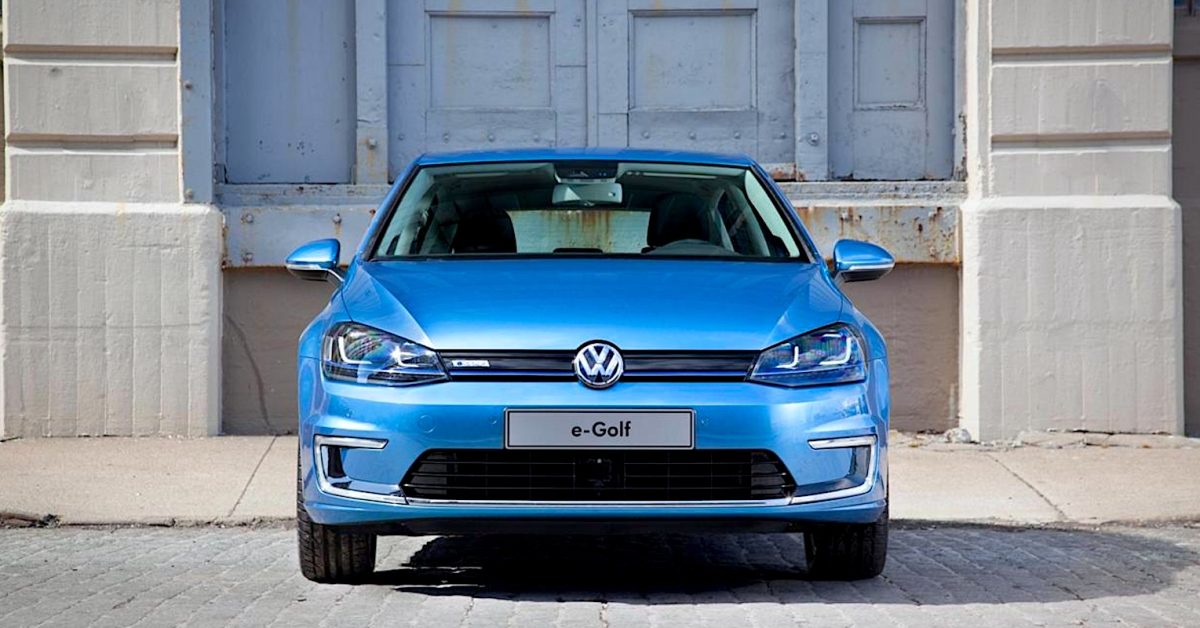
A recent report from Electrek highlighted EV drivers who achieved results above official estimates in everyday driving. Ford E-Transit owners reported summer ranges of about 140 and 150 miles against a quoted 116-mile estimate, while other drivers shared strong efficiency figures from vehicles including the Kia EV and Volkswagen e-Golf. These examples came from driver posts on Reddit and should be treated as real-world anecdotes, not laboratory benchmarks. Source: Electrek
For a Malaysian SME, the practical lesson is not that every EV will outperform its claimed range. The lesson is that your own operating data is more useful than a brochure number when planning routes, charging and vehicle utilisation.
What Happened
Electrek reported that several EV owners compared official range figures with their own dashboard readings and commuting experience. One Ford E-Transit owner said the vehicle was rated at 116 miles but achieved around 140 miles during summer driving with an approximately 1,800-pound payload. Another owner reported about 150 miles, describing the use of Eco mode, moderate acceleration and a route containing a mixture of lower-speed roads and faster sections. Source: Electrek
Other drivers described how traffic and route conditions affected efficiency. One Volkswagen e-Golf owner reported a 52-mile round trip and saw the vehicle’s range estimate change significantly after charging and commuting. The report also noted that a Kia driver sometimes achieved an additional 100 miles beyond a 240-mile EPA estimate, although such claims were based on personal experience and should not be generalised to every vehicle or climate. Source: Electrek
The article also explained that the United States Environmental Protection Agency adjusts laboratory results to account for factors such as air-conditioning use, cold temperatures, high speeds and aggressive driving. The EPA says a commonly used adjustment factor is 0.7, although testing and regulatory approaches can vary. Source: U.S. Department of Energy FuelEconomy.gov Source: Electrek summary
Why This Matters for Malaysian SMEs
Malaysia presents a different operating environment from the United States. You are unlikely to deal with freezing winter temperatures, but you may face intense heat, heavy rain, traffic congestion, hilly roads and frequent air-conditioning use. These conditions can produce a very different result from a published test figure.
Consider a catering company making multiple deliveries around Petaling Jaya, a florist serving Shah Alam and Subang Jaya, or an electrical contractor travelling between customer sites in Johor Bahru. Each route includes different stopping patterns, waiting times, payloads and road speeds. A van carrying equipment uphill in the rain will not behave like the same van travelling lightly on a smooth, low-speed route.
Air-conditioning is especially relevant for local operations. Your drivers and customers may expect the cabin to remain cool while the vehicle is moving or waiting. Instead of relying on a single advertised range figure, you should record the vehicle’s energy consumption under your own conditions. Dashboard readings such as kilometres per kilowatt-hour can help you compare routes, drivers and workloads.
For fleet planning, the useful question is not “How far can this EV travel on paper?” It is “How much energy does this vehicle use on our busiest route with our normal load and air-conditioning settings?”
You can also use route data to identify operational improvements. If one daily route repeatedly consumes more energy than expected, check whether the cause is traffic, unnecessary detours, long idling periods, heavy payloads or frequent high-speed travel. This turns EV adoption from a vehicle decision into a business-process improvement project.
What to Track in Your First 30 Days
| Metric | Why it matters | How you can use it |
|---|---|---|
| Distance per trip | Shows the actual route demand | Compare daily travel with available battery range |
| Energy consumption | Reveals efficiency in local conditions | Identify high-energy routes and driving patterns |
| Payload or passenger load | Weight affects vehicle efficiency | Separate light-duty and heavy-duty route benchmarks |
| Charging start and end times | Shows whether charging fits your schedule | Plan charging around shifts and dispatch times |
| Traffic and weather notes | Explains unusual energy usage | Distinguish temporary events from normal performance |
The Bigger Picture
The wider trend is a shift from estimated performance to measured performance. Modern businesses already track sales conversion, delivery time, inventory movement and customer response. Vehicle energy data belongs in the same operational dashboard.
For an SME with one to 50 employees, you do not need a complicated fleet platform to begin. A shared spreadsheet can capture the vehicle number, driver, route, starting battery percentage, ending battery percentage, distance, payload and charging activity. If your accounting, delivery or field-service system can accept vehicle data, you can later automate the reporting.
Automation becomes more valuable as your fleet grows. A simple workflow can remind drivers to submit a trip record, flag unusually high consumption and notify a manager when a vehicle returns below a chosen battery threshold. You can also combine vehicle records with customer appointments so dispatchers avoid assigning a long-distance job to a vehicle that is already scheduled for several local stops.
Artificial intelligence can support this process by identifying patterns in historical records. For example, an AI-assisted dashboard could compare consumption by route, time of day, driver and payload category. It might reveal that a particular delivery zone regularly causes delays or that a vehicle performs poorly when overloaded. The system should support your team’s judgement rather than replace basic checks and maintenance.
Charging planning is another practical consideration. You should map where vehicles can charge, how long charging normally takes and which operations can be paused without affecting customers. A delivery vehicle that returns to base between morning and afternoon jobs may have a different charging requirement from a technician’s car that travels continuously throughout the day.
The EV range discussion also offers a broader management lesson: published specifications are useful for comparison, but business decisions should be based on evidence from your own operations. Start with a controlled pilot, measure normal and difficult days, keep a sensible operating buffer and review the results with your drivers.
Whether your company is evaluating an electric van, company car or two-wheeler, range should be treated as a variable rather than a fixed promise. By collecting consistent data and connecting it to route planning, charging reminders and fleet reporting, you can make the transition more predictable and build a more disciplined operation.
A Practical Starting Plan
- Select one vehicle and record every trip for 30 days.
- Separate urban, highway, hilly and mixed routes.
- Record payload, weather, traffic and air-conditioning conditions.
- Set an internal minimum battery level for return-to-base planning.
- Review the data weekly with drivers and operations staff.
- Automate alerts only after you understand your normal operating pattern.
The surprising EV range reports are useful because they challenge the idea that one official number can describe every journey. For your Malaysian SME, the strongest advantage comes from replacing guesswork with local operating data. When you know how your vehicles behave on your routes, you can schedule more confidently, reduce avoidable disruption and make technology serve the way your business actually works.
Ready to Streamline Your Operations?
Technology moves fast. Your operations should keep up. AutoRunBiz builds AI systems that run your daily workflows — from WhatsApp order capture to accounting. Book a free 15-min ops audit →