
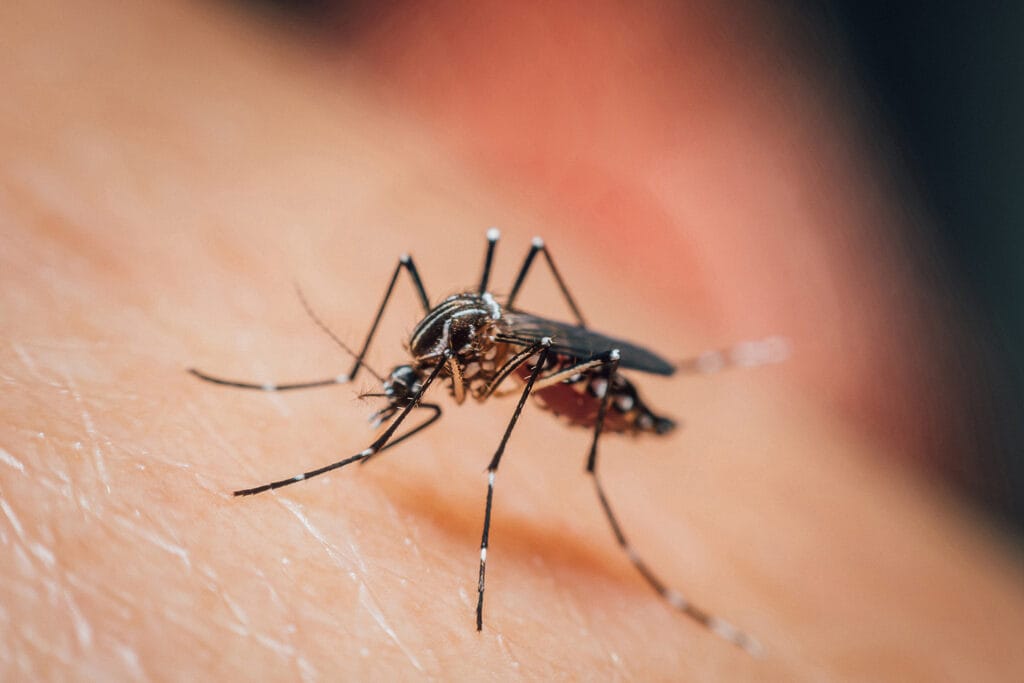
Your Team Can’t Afford Dengue Season
The rain is hammering down on your shop lot roof. You’re watching the clock, hoping the restock delivery arrives before rush hour swallows your driver. It is a familiar scene for any Malaysian SME owner. While you manage the visible chaos of the rainy season, a quieter, more destructive risk is growing in the stagnant water just outside your back door.
Dengue fever. For most people, it is a health warning. For an SME owner, it should be a red flag for operational fragility. According to a report by BusinessToday, the rainy season creates perfect conditions for Aedes mosquitoes to breed. The preventive steps they recommend are simple, but they absolutely must be applied to your business processes—not just your home life.
TL;DR: Dengue is a direct threat to your SME’s productivity and continuity. A small team can’t afford a member down for weeks. The solution is integrating a formal 10-minute weekly “Search and Destroy” routine into your operational workflow, inspecting your premises systematically, and supporting your team’s health at home.
What This Means for Your Business
It’s a Workforce Problem. You run a lean team. Losing one person for one to two weeks is not just an inconvenience—it is a 10 to 20 percent loss in capacity. That work does not vanish; it crushes your remaining staff, leading to errors, burnout, and poor customer service.
It’s a Legal Problem. Under the Destruction of Disease-Bearing Insects Act 1975, you as the business owner or occupier are legally responsible for preventing mosquito breeding on your premises. A compound notice from the local council is an avoidable disruption that damages your reputation as a responsible employer.
It’s a Morale Problem. If your team sees that management ignores a preventable health risk on the premises, it erodes trust. An employee who falls sick from a workplace hazard will feel their well-being was not valued. This kills team spirit much faster than a tough week of deadlines.
How This Applies to Malaysian SMEs
Let’s look at three common local SME scenarios and how the risk hits differently for each.
The Retail / F&B Frontline. Whether you run a kedai runcit or a cafe in a converted shophouse, your environment is prime mosquito real estate. Potted plants by the entrance, clogged drains in the back alley, water collected in delivery crates. Aedes mosquitoes are most active in the early morning and late afternoon—exactly when your business is gearing up for its peak hours. If your barista or cashier gets bitten, your customer service quality drops instantly. One sick team member during a busy period can cost you more in operational strain than any fine.
The Workshop / Warehouse. Hardware stores, auto workshops, and small warehouses are high-risk zones. Tyres, tool sheds, tarps covering stock, and unused equipment all collect rainwater. A quick reminder to “be careful” is not enough. You need a formal procedure. Assign the 10-minute weekly search to a specific team member. Make it the last task before locking up on Friday. It’s not about cleanliness; it is about making sure your technician or packer is available for every single shift next week.
The Hybrid or Home Team. The biggest risk to your operations might not be in your office at all. If your staff works remotely, even part-time, their home environment is a weak link you cannot control directly. But you can support them. Sending a simple reminder with prevention tips or offering to provide mosquito repellent for their home desk shows you care about their availability. This small gesture builds loyalty and directly reduces the risk of a prolonged, team-disrupting absence.
“Dengue doesn’t just knock out an employee. It knocks the rhythm out of your entire small team. Prevention isn’t a chore—it is a continuity strategy.”
Your Practical Dengue Prevention Checklist
| Spot to Check | Weekly Action | Who Owns It |
|---|---|---|
| Outdoor Drains & Gutters | Clear leaves and debris. Ensure water flows freely. | Premises Manager / Cleaner |
| Potted Plants & Vases | Scrub base trays and change water. | Admin / Office Manager |
| Water Storage & Toilets | Cover tightly. Add larvicide to unused cisterns. | Maintenance Staff |
| Storage (Tyres, Tarps, Crates) | Stack under cover. Puncture tarps to drain collected water. | Warehouse / Operations Lead |
| Employee WFH Setup | Share health tips. Offer repellent or larvicide. | HR / Business Owner |
Source: Adapted from Ministry of Health Malaysia guidelines and BusinessToday.
To turn this into a working habit, follow these three process steps:
- Schedule It: Add the “10 Minute Search and Destroy” to your team calendar as a recurring weekly task. Monday morning works well.
- Supply the Kit: Keep a simple “Dengue Prevention Kit” at your premises. A flashlight, gardening gloves, larvicide tablets, and a bin bag are all you need.
- Communicate the Protocol: Let your staff know they are fully supported to rest if they feel unwell. Encourage early reporting of symptoms like sudden high fever and joint pain. Early care protects the whole team.
The Bigger Picture: Resilience is Everything
Malaysia’s weather patterns are shifting. The traditional “rainy season” is stretching and becoming less predictable. For SMEs, this means traditional risks like dengue are no longer seasonal inconveniences—they are year-round operational variables that demand a structured response.
Building a resilient SME means treating your team’s physical health as critical infrastructure. A simple weekly habit, assigned to a specific person, with a clear checklist, is the mark of a business that controls its environment rather than reacting to crises.
The next time you see a puddle of water behind your shop, do not just step over it. Ask yourself: Is this putting my team at risk tomorrow?
Ready to Streamline Your Operations?
Your business should run itself. AutoRunBiz deploys AI agents to automate your daily operations — WhatsApp orders, invoicing, customer follow-ups, and accounting. Book a free 15-min ops audit to see where automation fits your business →