
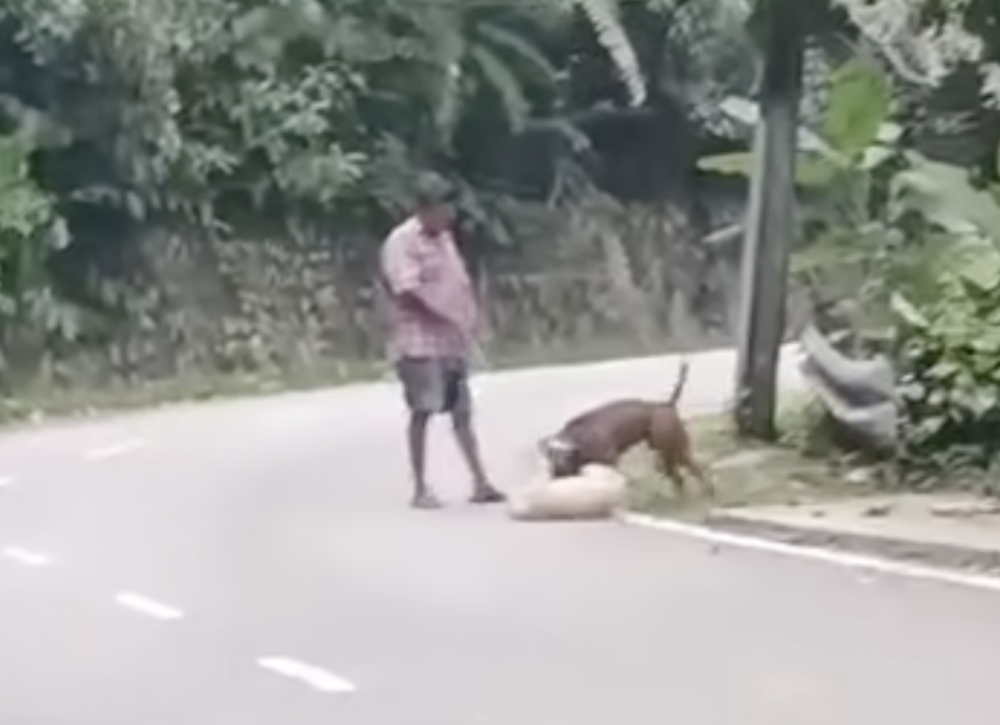
Why a Viral Dog Fight Matters to Your Business
A dog attack at Pearl Hill, Tanjung Bungah, Penang, has raised an uncomfortable question for Malaysian business owners: what should happen when an incident occurs on or near your premises, but the law does not clearly define every possible failure to act?
According to the Malay Mail report, the Penang Veterinary Services Department said the Animal Welfare Act 2015 does not clearly make it an offence for a dog owner to fail to stop an animal fight. The department also said action may be considered under Section 8 of the Minor Offences Act 1955 if there is evidence that someone encouraged or prompted an animal to attack, alarm or frighten another person or animal.
For a Malaysian SME, the lesson is broader than pet ownership. Your business may operate a café with outdoor seating, a workshop beside a housing area, a warehouse with a guard dog, a clinic, a childcare centre, a retail outlet or an office in a mixed-use building. When an animal, customer, delivery rider, employee or visitor is involved in an incident, confusion about responsibility can delay your response and expose your team to unnecessary risk.
What Happened
The Penang DVS clarification followed a complaint and video footage showing a licensed mixed-breed dog repeatedly lunging at and biting a smaller stray dog known as Tim at Pearl Hill in Tanjung Bungah. The footage reportedly showed the owner holding the dog’s leash while the attack continued, as reported by Malay Mail.
DVS stated that the Animal Welfare Act 2015 contains no clear provision making it an offence for an owner simply failing to intervene when dogs fight. However, where there is evidence that a person encouraged or prompted an animal to attack, alarm or frighten another person or animal, authorities may consider action under Section 8 of the Minor Offences Act 1955. DVS advised members of the public to lodge a police report where evidence of such conduct exists, allowing the matter to be investigated under relevant laws, according to the same report.
“The practical business question is not only whether an offence is clear. It is whether your team has a clear, documented and safe response when something goes wrong.”
Why This Matters for Malaysian SMEs
Many small businesses rely on informal instructions. The shop supervisor knows what to do, the security guard has handled similar incidents before, or the owner is contacted through a WhatsApp group. This may appear efficient during quiet periods, but it becomes unreliable when an incident happens suddenly and several people need to act at the same time.
Consider a café where customers bring pets, a homestay with an outdoor compound, or a hardware store located near a busy roadside. If two animals fight, your staff may need to keep customers away, prevent children from approaching, contact the relevant authorities, preserve video footage and arrange medical attention for anyone injured. Telling staff to “handle it” without clear boundaries can encourage unsafe intervention.
The same principle applies to warehouses, factories and construction-related SMEs. A loose dog near a loading bay, an aggressive animal near a staff entrance or an unverified visitor entering a work area can create a safety issue. Under Malaysia’s Occupational Safety and Health framework, employers have broad duties relating to workplace safety and health. The Department of Occupational Safety and Health provides official guidance and information for employers on managing workplace risks.
You should also consider customer experience and evidence management. A short video may go viral before your business has confirmed what happened. If your CCTV system overwrites footage quickly, your staff cannot identify witnesses, or no one records the time and location accurately, your business may struggle to respond to complaints or enquiries from authorities.
Practical steps for your business
| Risk area | What you should prepare |
|---|---|
| Animal incidents | Keep animals away from customers and staff; do not instruct untrained employees to physically intervene. |
| Emergency reporting | Display current contact details for police, local authorities, DVS and building management. |
| Evidence | Preserve relevant CCTV footage, photographs, timestamps and witness details. |
| Internal response | Assign one person to manage the scene, one to contact authorities and one to record facts. |
| Customer communication | Use a factual statement and avoid making legal conclusions before an investigation. |
Use Automation to Reduce Confusion
This type of incident is a useful reminder that business automation is not limited to sales, invoices or customer messages. A simple incident workflow can help your employees respond consistently, even when you are not at the premises.
For example, create a digital incident form using the tools your business already uses. The form can capture the date, time, exact location, people involved, immediate actions taken, available CCTV footage and whether a police or authority report was made. A notification can then be sent automatically to the business owner, operations manager and safety representative.
You can also set up a secure folder for incident evidence. Limit access to authorised staff, record when files are uploaded and prevent employees from editing original photographs or videos. If an incident becomes disputed, a clear record is more useful than a long conversation across multiple WhatsApp groups.
AI tools may assist with administrative work, such as turning a staff member’s notes into a structured incident summary or identifying missing fields in a report. However, you should not allow an automated system to decide whether a person is legally responsible, determine that an animal is dangerous, or replace advice from the police, DVS, local authorities or a qualified professional.
The Bigger Picture
The Penang case highlights a gap between public expectations and legal wording. People may expect an owner to stop an animal attack immediately, while authorities may need specific evidence showing conduct that falls within an offence. For business owners, this means you should not build your safety process around assumptions about what the law “must” cover.
Instead, build a response system around prevention, safe escalation and accurate records. Identify where animals could enter your premises, whether customers can bring pets, how staff should separate people from danger and which authority should be contacted. If you operate from a strata building, coordinate with the management body. If you have a guard dog or business premises with animals, confirm licensing, control and handling requirements with the relevant authorities. The Department of Veterinary Services Malaysia provides official information on veterinary and animal-related matters.
You should also review your public-facing policies. A clear notice about pets, access areas and staff instructions can reduce misunderstandings. Train employees never to provoke, chase or physically grab an unfamiliar animal unless they are properly trained and the situation requires an approved response. Their first priority should be moving people away and calling for help.
Most importantly, do not wait for a viral incident to test your procedures. Spend a short team meeting walking through a realistic scenario: an animal fight outside your shop, a customer injured in the car park or a delivery rider reporting an aggressive dog. The quality of your response will depend less on having perfect legal knowledge and more on whether everyone knows the next safe step.
A Simple Action Plan for This Week
- Inspect entrances, car parks, outdoor areas and loading zones for animal-related risks.
- Write a one-page incident response procedure in clear Bahasa Malaysia or English.
- Save emergency contact numbers where every shift can find them.
- Check how long your CCTV system retains recordings.
- Create a digital incident form and test it with your team.
- Tell staff not to physically intervene in animal attacks unless they are trained and it is safe.
- Review the procedure every six months or after any incident.
The viral footage from Penang is a reminder that unclear legal responsibility does not remove the need for responsible business preparation. By combining clear staff instructions, careful evidence handling and simple automation, you can protect customers, employees and your business while giving authorities better information when an incident needs investigation.
Ready to Streamline Your Operations?
Technology moves fast. Your operations should keep up. AutoRunBiz builds AI systems that run your daily workflows — from WhatsApp order capture to accounting. Book a free 15-min ops audit →