
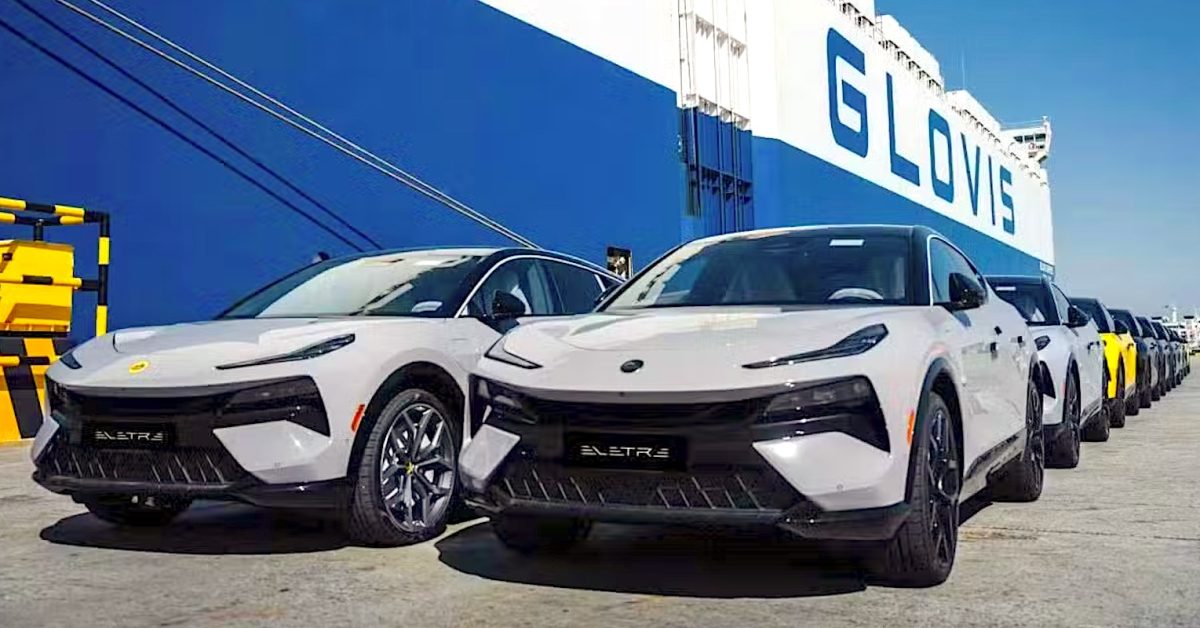
China’s EV Push: 5 Lessons for Malaysian SMEs
You run a business in Malaysia with ten, twenty, maybe fifty employees. You don’t sell cars. You don’t import Lincolns. So why should you care about how Chinese electric vehicles are trying to break into the American market?
Because the strategy behind that push is the same strategy that helps small businesses win against bigger, more established competitors. The article you might have seen about the Electrek survey on Chinese EV entry into the US isn’t really about cars. It’s about how an outsider enters a closed market, builds trust, and scales. That’s a problem you face every day.
TL;DR: Chinese automakers aren’t forcing their way into the US with their own brands. They’re partnering with legacy names like Ford, using local assembly loopholes, and letting “boring” products do the heavy lifting. Malaysian SMEs can apply the same playbook – find a trusted partner, adapt your product, and automate the boring stuff. Here’s what the survey tells us and what it means for your business.
What This Means: The “Back Door” Is Not a Shortcut
The survey of over 3,000 readers asked how Chinese EVs would first arrive in the US. The top answer – chosen by nearly 700 people – was that GM, Ford, or Stellantis would bring them in under a joint venture and sell them through existing dealers. That’s how Japanese brands did it in the 1980s and how Subaru got started through an importer named Malcolm Bricklin decades ago. One reader even pointed out that Ford already imports Chinese-built Lincolns today, with the Nautilus assembled in Hangzhou and sold as an American luxury car.
The key insight isn’t “Chinese cars are coming.” It’s that the winning strategy is always the reliable, boring one. No dramatic announcements. No new brand wars. Just a trusted name putting its logo on a product that’s already proven elsewhere, with local sales and service network already in place.
“I think both major parties consider China a ‘threat’ and therefore will continue to block any sales with bipartisan enthusiasm. Perhaps the only way this changes is if China decides to really play hardball.” – David Johnson, survey respondent
Notice what that comment says: even when politics gets involved, the path through an existing trusted partner remains the most discussed option. For your SME, the lesson is this – when you want to expand into a new market or sell a new service, don’t burn bridges trying to build everything from scratch. Find the partner who already has the customers and the trust, and work with them.
How This Applies to Malaysian SMEs
Think about how many Malaysian businesses have grown by partnering with bigger companies rather than fighting them. A contractors’ firm that becomes an authorised installer for a major brand. A coffee supplier that gets its beans into a national chain through a partnership. A software reseller that white-labels an international cloud tool and sells it locally with your own support wrapping around it. That’s the exact same pattern as Ford selling a Chinese-made Lincoln – you become the “local name” that builds trust while the technology or product comes from elsewhere.
The survey also showed that about one in five readers believe Chinese EVs will never arrive in the US because of federal blocks. But those readers were wrong about the present – the Lincoln Nautilus is already here, built in China and sold in the US, as the article notes with NHTSA documents proving the Hangzhou assembly plant. The lesson for you is not to assume that “impossible” is permanent. Regulations change, consumer preferences shift, and what seemed like a closed door last year may be open today. The Malaysian SME that is already looking at cross-border e-commerce platforms, regional free trade agreements, or government digital adoption grants is the one that will take advantage of the next unexpected opening.
Finally, consider the scale of it all. Thousands of Chinese EVs are already in Canada, the article says, and legacy carmakers from both America and Europe are developing platforms with Chinese partners. That tells you something about speed and iteration. These companies aren’t waiting for the perfect product. They’re shipping what they have, learning from real usage, and improving every quarter. Your SME can do that too, but only if you have systems in place that let you adapt quickly. That’s where automation comes in – when your invoicing, inventory, and customer follow-ups are automated, you free up time to react to market feedback just like those automakers do with their vehicle software.
| Survey Predictions on Chinese EV entry into US | % of Votes | What It Means for Your SME |
|---|---|---|
| Legacy automakers (GM, Ford, Stellantis) bring them in via JV | ~700 votes (largest share) | Partner with established names rather than fighting them |
| The feds will block it entirely | ~500 votes (1 in 5) | Don’t assume barriers are permanent – they shift |
| Importers create “Brand of America” companies | Other options | Use local intermediaries and regional distributors |
| Already happening via Chinese-built Lincolns | Confirmed fact | Your product may already be in the market without you knowing it – find it |
Practical Takeaways for Your Business
- Look for a “Lincoln” in your industry. Is there a big brand that’s already importing something similar to what you make? Approach them with a partnership proposal instead of only competing.
- Test your product fast, then improve. Don’t wait for perfection. The Chinese EV makers didn’t – they shipped, gathered data, and iterated. Use simple automation tools to collect customer feedback weekly.
- Map your own “Hangzhou plant.” Where is the cheapest, most reliable source for your core components? Overseas suppliers aren’t just for giants anymore – a Malaysian SME can import directly and use local services for final assembly or customisation.
- Plan for possible regulatory changes. The survey shows that even massive industries can’t predict government policy. Keep your operations flexible enough to pivot when new rules come out – which in Malaysia often means staying digital so you can quickly re-register, re-label, or re-route.
- Automate your “dealer network.” If you do B2B, your resellers are your Ford dealers. Give them automated ordering, instant quotations, and easy commission tracking. That’s what makes them choose to carry your product over a competitor’s.
The Bigger Picture
The Chinese EV story isn’t really about electric cars. It’s about how a new entrant with high manufacturing capability and a weak brand wins by latching onto existing trust. The same thing is happening across every industry, from phones to furniture. Malaysian SMEs that recognise this will stop trying to be the loudest and start trying to be the most useful partner.
Over the next five years, we’ll see more Chinese-built products wearing Malaysian brands, more Malaysian products assembled in China, and more cross-border partnerships that make borders look blurry. The businesses that thrive will be those that treat automation as their “legacy dealer network” – the thing that lets them serve customers consistently while the world around them changes. The survey’s top answer wasn’t “maybe never.” It was “they’ll come in through the side door.” Make sure your SME has a side door too.
Ready to Streamline Your Operations?
Your business should run itself. AutoRunBiz deploys AI agents to automate your daily operations — WhatsApp orders, invoicing, customer follow-ups, and accounting. Book a free 15-min ops audit to see where automation fits your business →