
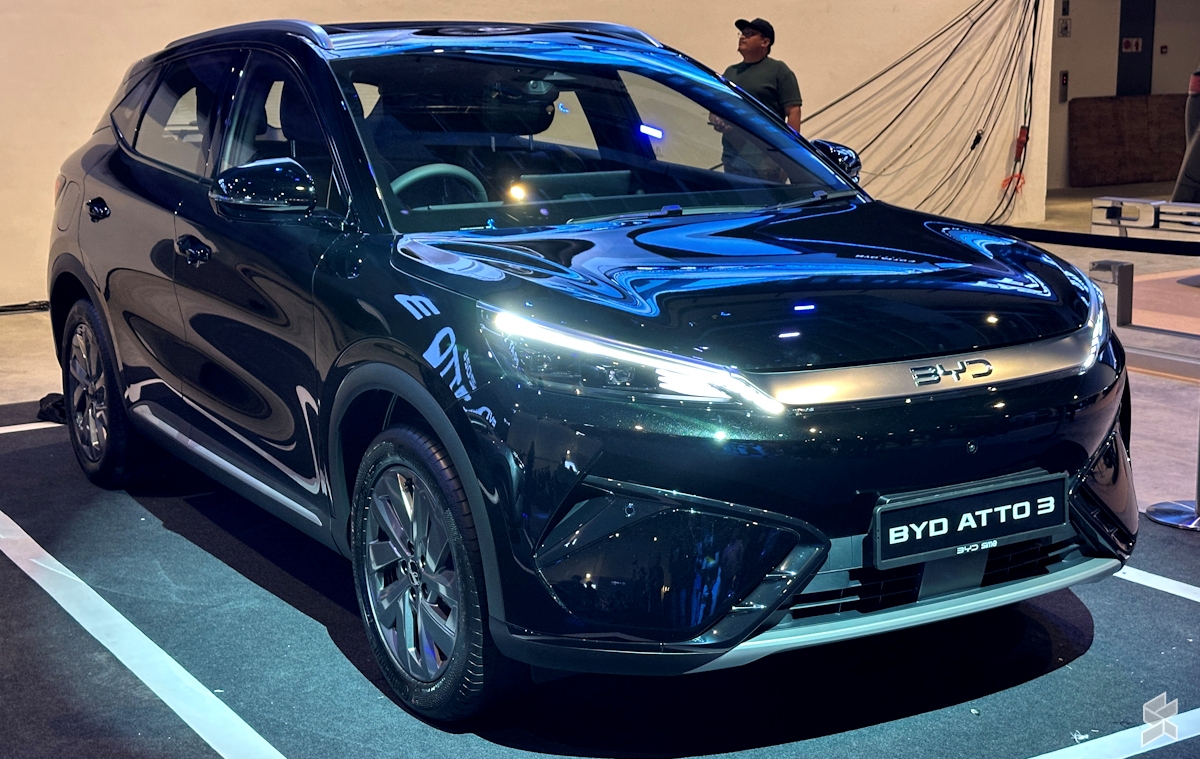
Your Business Plan Just Hit a Speed Bump Called “Uncertainty”
You’ve seen the headlines. You’ve heard the chatter at the kopitiam. And now you’re wondering: does the news about BYD’s Tanjung Malim plant affect me?
If you run a parts supplier, a logistics company, a workshop, or even a retail shop in Perak — the answer might surprise you. It’s not just about one car brand. It’s about whether Malaysia is actually becoming the EV manufacturing hub the government keeps talking about, and whether you should be betting your next two years on that story.
Here’s the situation: MITI (the Ministry of Investment, Trade and Industry) recently said the status of BYD’s Tanjung Malim plant is “still up in the air.” No confirmed production timeline. No clear commitment. Just a lot of waiting as reported by SoyaCincau. For an SME owner, vague government statements are expensive. You can’t plan hiring, inventory, or expansion based on “maybe.”
TL;DR: MITI hasn’t confirmed the BYD Tanjung Malim plant’s status or production timeline. This creates ripple effects for Malaysian SMEs in the automotive supply chain, logistics, and EV services. The smart play: don’t bet the business on EV manufacturing promises — diversify, stay liquid, and watch for actual groundbreakings, not press releases.
“Uncertainty isn’t just a feeling — it’s a real cost for SMEs. Every week of ‘up in the air’ is a week you can’t confidently hire, stock, or sign contracts.”
What This Actually Means
Let’s translate the ministry-speak. When MITI says the plant’s status is “unclear,” it means there is no official confirmation on whether BYD will proceed, delay, or scale back its planned manufacturing facility in Tanjung Malim. This isn’t a cancellation — it’s a fog.
For context, Tanjung Malim was already home to Proton’s factory, and BYD’s arrival was positioned as a major win for Malaysia’s EV ambitions. The original idea was that BYD would assemble cars locally, creating jobs, attracting component suppliers, and putting Malaysia on the regional EV map. But without a firm timeline, all those downstream opportunities are in limbo.
In plain terms: any business that was planning to serve an EV factory that hasn’t been confirmed yet is now in wait-and-see mode. That includes industrial land brokers, logistics providers, parts manufacturers, training centres, and even the food court operators near the plant site.
How This Applies to Malaysian SMEs
If you’re a supplier or contractor: You might have been quoted on a component supply deal, a wiring harness contract, or a facility upgrade project. The “up in the air” status means procurement decisions are frozen. Don’t be the SME that hires aggressively or buys machinery based on a verbal promise. Push your contacts for written confirmation — and in the absence of that, redirect your sales effort to other sectors. The automotive OEM supply chain is brutal for small players who over-commit.
If you run logistics or warehousing: An EV plant means inbound parts, outbound vehicles, and a busy distribution network. Without a confirmed plant, your route planning and fleet expansion plans should stay on the drawing board. This is also a good time to serve existing EV owners — the cars already on Malaysian roads need charging, servicing, and accessories. The aftermarket is real even when the factory isn’t. Look at what EV owners in Klang Valley and Penang are already buying, and serve that demand today.
If you’re in retail, property, or services near Tanjung Malim: You may have seen land prices and rental expectations adjust in anticipation of thousands of factory workers. The uncertainty is a warning signal: don’t overpay for assets based on speculative demand that hasn’t materialised. On the flip side, if you’re renting — this might be the time to negotiate longer terms at stable rates, because landlords are also feeling the uncertainty and may prefer secure tenants over empty units.
If you’re thinking of pivoting into EV-related services: Don’t let the headline scare you off. The local EV market is still growing — you can verify this through vehicle registration data, the expanding public charging network, and growing consumer adoption. But the shape of that growth has changed. Instead of betting on “factory supplier” business models, focus on “serving existing EV drivers” models — maintenance, retrofitting, charging point installation for commercial properties, and EV fleet management for delivery businesses.
Practical Takeaways
- Watch for hard signals, not soft statements. A confirmed groundbreaking, a written procurement notice, or a government incentive approval is a signal. A ministry saying “status is being reviewed” is not.
- Diversify your customer base. If more than 30% of your revenue depends on one automotive project, you’re exposed. Start conversations with two or three different sectors this month.
- Serve the EV aftermarket now. Focus on vehicles already on the road. Charging, repairs, accessories, and fleet services are all active segments that don’t depend on a factory.
- Revisit your lease and procurement contracts. Use this uncertainty to negotiate better terms, because everyone is more flexible when the future is foggy.
- Keep a decision framework. Set a date, say 6 months out, to re-evaluate. If the plant status isn’t clear by then, redirect your expansion budget elsewhere.
What’s Known vs. What’s Not
| Known | Not Known |
|---|---|
| BYD has strong EV sales in Malaysia | Confirmed production start date |
| MITI acknowledges the project’s status is unclear | Scale of planned local assembly |
| EV adoption in Malaysia is rising | Local supplier/vendor selection process |
| Existing EV aftermarket demand is active | Impact on local job creation targets |
The Bigger Picture
Zoom out and the pattern becomes clear: Malaysia wants to be an EV manufacturing hub, but policy signals and investor commitments aren’t always in sync. This isn’t the first time a flagship project faced delays, and it won’t be the last. That’s the reality of industrial policy — announcements come fast, but factories take years.
For Malaysian SME owners, the lesson is deeper than “don’t believe the hype.” It’s about building a business model that doesn’t depend on any single announcement, project, or government initiative. The SMEs that thrive in this environment are the ones with diverse revenue streams, lean cost structures, and the ability to pivot their capabilities — whether that’s making parts for EVs, serving food to logistics drivers, or providing software to charging network operators.
“The most valuable skill for a Malaysian SME owner in 2026 isn’t spotting the next big thing. It’s staying flexible enough to survive everyone else’s delays.”
The BYD plant might still happen. It might happen bigger than planned, or smaller, or somewhere else entirely. What you control is how prepared you are for each scenario. Update your business plan with a conservative scenario (no plant), a moderate scenario (plant delayed by 18 months), and an optimistic scenario (plant running at full capacity by 2028). For each scenario, know what you’d do — and which customers you’d call.
That kind of scenario planning won’t make headlines. But it’s the difference between an SME that gets caught off guard and one that keeps moving forward no matter what the ministry says next.
Ready to Streamline Your Operations?
Your business should run itself. AutoRunBiz deploys AI agents to automate your daily operations — WhatsApp orders, invoicing, customer follow-ups, and accounting. Book a free 15-min ops audit to see where automation fits your business →