
Why emergency vehicle rules matter to your business
If your business uses vans, lorries, motorcycles or company cars, an urgent job can put your driver under pressure. A staff member may be rushing to a site, collecting equipment, transporting a customer, or responding to a breakdown. In that moment, your driver may feel that speed matters more than normal road discipline.
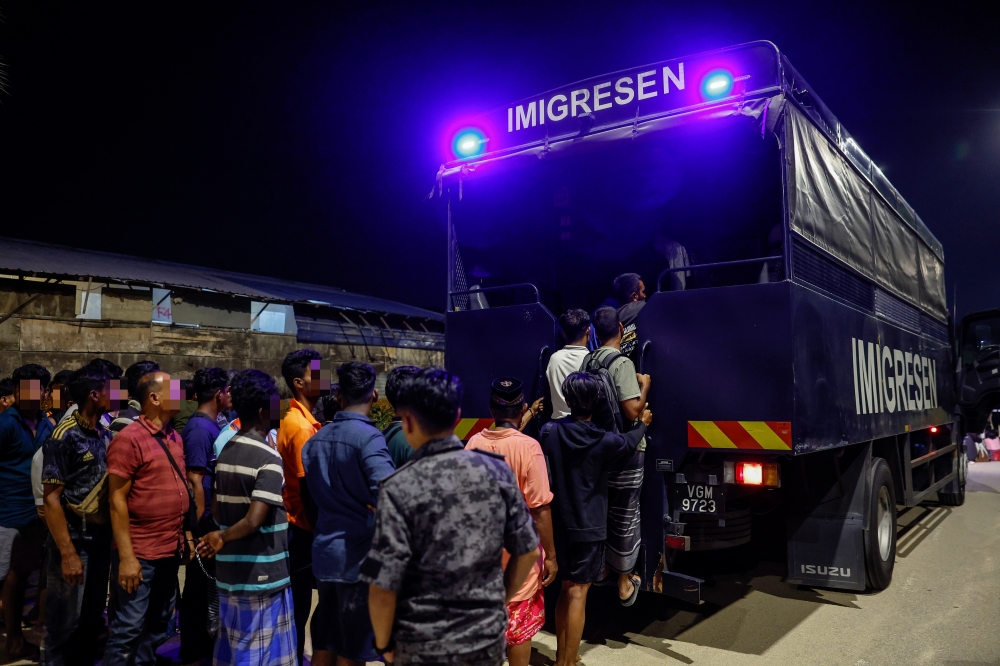
That is where risk begins. Sirens, flashing lights and an official-looking vehicle do not automatically make every manoeuvre lawful or safe. The recent fatal crash involving an Immigration Department truck in Kuala Lumpur has renewed attention on how much freedom emergency vehicles actually have on Malaysian roads. The reported crash killed three pedestrians and led to charges against the driver under the Road Transport Act 1987. Source
For an SME owner, the lesson is practical: do not build operating procedures around the assumption that urgency excuses unsafe driving. Your business needs clear rules for what drivers may do, what they must never do, and how every incident is reviewed afterwards.
TL;DR
Authorised emergency vehicles may receive priority while carrying out emergency duties, but sirens and beacon lights do not provide blanket immunity from traffic rules or negligence claims.
Your SME should treat urgent driving as a controlled process: slow down at junctions, give others time to react, document incidents and train drivers before a crisis happens.
What This Means
Malaysian traffic rules recognise six categories of emergency vehicles that receive priority while performing emergency duties: ambulances, police vehicles, Fire and Rescue Department vehicles, Customs Department vehicles, Prisons Department vehicles and Road Traffic Department vehicles. Source
These vehicles may use sirens and beacon lights to request a clear passage. However, the warning equipment is mainly a communication signal to other road users. It tells people to make way; it does not remove the driver’s duty to check whether moving forward is safe.
At a traffic light or busy junction, an emergency driver must still ensure that other motorists, pedestrians and motorcyclists have enough time and space to respond. The presence of an urgent assignment does not mean the driver can enter an intersection without proper observation.
The same principle applies to private businesses. A delivery driver cannot treat a late order, customer complaint or urgent repair as permission to run a red light, drive aggressively or ignore the safety of other people. The urgency may explain why a journey matters, but it does not change the physical consequences of a collision.
Urgency can change the priority of a journey, but it does not remove the driver’s responsibility to protect other road users.
How This Applies to Malaysian SMEs
1. Delivery and distribution businesses need a “safe urgency” policy. If you operate a bakery, pharmacy, spare-parts shop, restaurant, wholesaler or online fulfilment business, drivers may regularly face pressure to meet a promised delivery window. That pressure can lead to risky overtaking, sudden lane changes or entering a junction after the light has changed. Set a written rule that no delivery target justifies breaking a traffic signal or driving while distracted. If a delivery is delayed because of congestion or weather, the driver should report the delay rather than compensate by taking dangerous risks.
2. Service contractors should separate response time from driving speed. Air-conditioning technicians, plumbers, electricians, pest-control teams and repair companies often receive urgent calls. A customer may describe a fault as an emergency, but your employee still needs to travel within normal safety limits. You can improve response time by assigning technicians based on location, keeping essential tools organised and using job scheduling software. That is safer than expecting one driver to cross town at excessive speed.
3. Security, transport and care-related businesses need stronger junction procedures. A security company may escort a vehicle, a private transport operator may carry vulnerable passengers, and a care provider may send staff to a client’s home. These journeys can feel highly urgent, especially at night or during severe weather. Your SOP should require drivers to reduce speed before junctions, check blind spots, yield to pedestrians and avoid assuming that other road users have seen them. If a route is repeatedly dangerous, record it and redesign the route instead of relying on driver confidence.
4. Fleet owners must manage accountability, not only vehicle availability. A company vehicle is part of your operating system. Keep a current list of authorised drivers, licence details, vehicle inspection dates and incident records. Telematics or GPS data can help you identify harsh braking, sudden acceleration and repeated speeding patterns, but technology should support coaching rather than replace it. A driver who is repeatedly rushing may be responding to unrealistic workloads, unclear customer promises or poor scheduling.
5. Business owners should understand that official duty does not guarantee legal immunity. Reported Malaysian cases have held emergency or escort drivers accountable after accidents. In one 2017 case, an ambulance driver was fined RM6,000 after running a red light and colliding with other road users. Source In another case, the Court of Appeal ruled in December 2025 that ambulance drivers responding to emergencies do not have legal immunity from negligence claims; the government was ordered to pay RM42,327.50 in damages and RM30,000 in legal costs. Source
Key figures and legal points
| Point | What it means for your business |
|---|---|
| 6 recognised emergency vehicle categories | Priority is tied to legally recognised vehicles and emergency duties, not simply any vehicle with flashing lights. Source |
| Rule 9, Road Traffic Rules 1959 | Provides the relevant priority framework for recognised emergency vehicles. Source |
| Up to 2 years’ imprisonment or a fine of up to RM10,000 | Section 186 of the Penal Code can apply when someone deliberately obstructs a public servant performing official duties. Source |
| 80% liability in a reported escort case | A Kota Tinggi court found a police escort rider 80 per cent liable, reinforcing that escort duties do not remove the duty of care. Source |
Practical Takeaways for Your Fleet
- Write a one-page driving policy: state clearly that red lights, reckless overtaking, phone use while driving and unsafe junction entry are prohibited.
- Define an urgent job: explain who can approve priority work and what drivers should do when a customer demands immediate arrival.
- Train for junctions: teach drivers to slow down, scan both directions and confirm that other road users have stopped before proceeding.
- Use realistic scheduling: leave enough travel time for Malaysian traffic, rain, roadworks and loading delays.
- Record incidents immediately: capture the date, location, driver, vehicle, road conditions, witnesses and photographs.
- Review near misses: a close call is an early warning and should lead to coaching or a process change.
- Check vehicle readiness: maintain tyres, brakes, lights, mirrors and seat belts according to a documented schedule.
- Make supervisors accountable: managers should not praise drivers for arriving quickly if the journey involved unsafe conduct.
- Use automation carefully: digital forms, reminders and fleet dashboards can make compliance visible without relying on memory.
The Bigger Picture
This issue points to a wider change in how businesses should think about fleet safety. Road risk is not only a driver problem. It is also a scheduling, staffing, customer-service and management problem. When a company promises unrealistic response times, employees may feel forced to take risks to satisfy that promise.
Better businesses will connect their customer bookings, job assignments, driver checklists and incident reporting. For example, an urgent service request can automatically trigger a supervisor review, assign the nearest suitable technician and send the customer an accurate arrival update. That reduces pressure on the driver while keeping the customer informed.
You should also expect greater scrutiny after serious collisions. Investigators may examine vehicle records, driver instructions, route planning, maintenance history and communications with the customer. A clear system helps you show that safety was actively managed rather than left to individual judgement.
The practical standard is simple: let urgency affect coordination, not basic road safety. Your customers may remember a delayed appointment, but a serious collision can affect employees, families, the public and the future of your business.
Start with one action this week: review your fleet or delivery SOP and add a specific rule for traffic lights, junctions and urgent jobs. Then brief every driver and supervisor. A short, clear policy prepared before pressure arrives is far more useful than an apology after an accident.
Ready to Streamline Your Operations?
Your business should run itself. AutoRunBiz deploys AI agents to automate your daily operations — WhatsApp orders, invoicing, customer follow-ups, and accounting. Book a free 15-min ops audit to see where automation fits your business →