
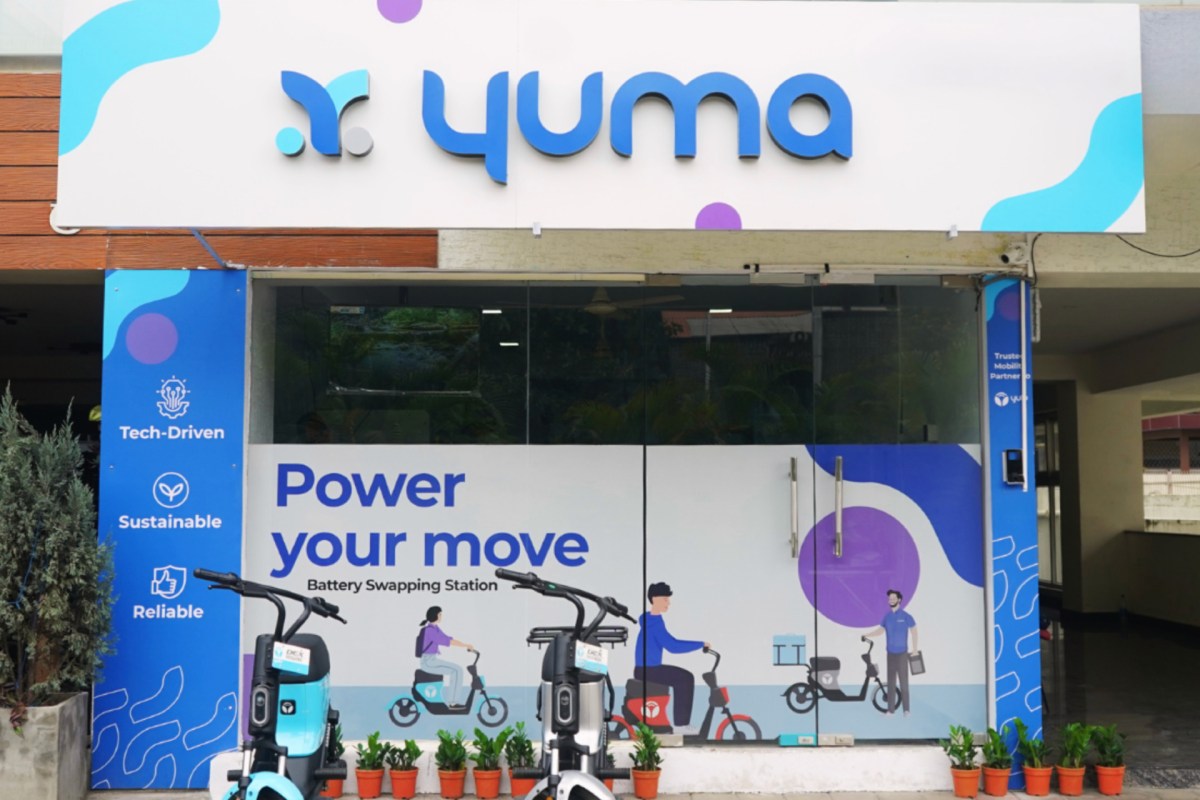
Why Battery Swapping Matters to Your Business
If your business depends on riders, delivery vans, mobile technicians, or frequent local transport, you already understand the cost of downtime. A vehicle that sits still while its battery charges is not serving customers, completing deliveries, or helping your team respond quickly.
That is why battery swapping is attracting attention. The idea is simple: instead of waiting for an electric vehicle to recharge, the driver removes a depleted battery and replaces it with a charged one at a swap station. A recent investment in India shows how this model is being built around high-mileage riders and fleet operations, rather than private car owners.
You do not need to operate an electric fleet today to learn from this development. The more useful lesson is about designing operations around uptime, standardisation, and convenient replenishment. Those principles can apply to Malaysian SMEs even when your current vehicles, tools, or equipment are not electric.
TL;DR: Battery swapping works best where vehicles run frequently, downtime affects output, and equipment can be standardised. Malaysian SMEs should start by measuring utilisation and charging delays before considering any new fleet technology.
The Indian company Yuma Energy has completed more than 60 million battery swaps and deployed about 100,000 batteries across its network, according to TechCrunch. Its example offers practical guidance for Malaysian delivery, logistics, service, and retail businesses.
What This Means
Battery swapping separates vehicle use from battery charging. A rider does not need to wait beside a charging point. Instead, the rider visits a station, exchanges the used battery for a ready one, and continues working.
This model is particularly suited to two-wheelers and three-wheelers that travel many hours each day. Yuma says a battery exchange can take less than two minutes, while fast charging may take 20 or 30 minutes, based on the company’s estimate reported by TechCrunch. The exact timing will vary by vehicle, station, battery design, and operating process, but the business principle is clear: reducing waiting time can improve the output of each vehicle and rider.
There is a trade-off. A swapping operator must prepare batteries and stations before demand is fully predictable. It also needs compatible battery designs, reliable inventory tracking, safe charging facilities, and enough station coverage. Yuma operates more than 400 stations and over 2,500 charging units across 18 Indian cities, according to TechCrunch.
| Reported Yuma indicator | What it teaches an SME |
|---|---|
| More than 60 million swaps | High transaction volume can justify a dedicated replenishment network. |
| About 100,000 batteries deployed | Fleet availability depends on planning spare capacity, not only vehicle count. |
| More than 400 stations | Convenience requires locations that match actual operating routes. |
| 18 cities served | Expansion should follow proven demand and operating density. |
| 15% to 20% of recent swaps from non-Yulu customers | Reducing dependence on one major customer improves network resilience. |
All figures in the table are reported by TechCrunch.
The important question is not “Should you buy electric vehicles?” It is “Where is your operation losing productive time, and can a better replenishment process remove it?”
How This Applies to Malaysian SMEs
1. Delivery businesses can study route-based energy planning. If you run a restaurant delivery service, pharmacy delivery operation, florist, bakery, or online retail fulfilment team, your riders may spend significant time travelling between stores, customers, and waiting points. Battery swapping could eventually suit dense urban routes in Kuala Lumpur, Petaling Jaya, Johor Bahru, George Town, or other high-traffic areas. Before adopting anything, record when riders stop, how long they wait, and whether charging access is available near their busiest routes.
You can begin with a simple operational dashboard. Track rider departure time, arrival time, delivery completion, battery level, charging interruptions, and missed delivery windows. Even if you continue using petrol motorcycles, this data can reveal whether your real problem is fuel access, route planning, traffic, vehicle maintenance, or poor dispatch coordination. Automation software can collect these updates through mobile forms and send alerts when a vehicle requires attention.
2. Field-service SMEs can apply the uptime principle to tools and equipment. Air-conditioning contractors, pest-control companies, cleaning businesses, security installers, and maintenance firms may not operate large vehicle fleets, but their technicians depend on powered tools, scanners, pumps, batteries, and devices. A technician who returns to the office because a tool battery is empty creates the same operational problem as a rider waiting to charge.
You can create a “ready equipment” system: every battery, tool, and device receives an identifier; each item is marked as available, in use, charging, damaged, or under inspection; and staff scan items when collecting or returning them. This creates visibility without requiring complex technology. The lesson from battery swapping is to keep a charged or ready replacement available while the depleted unit is replenished in the background.
3. Retail and warehouse operators can use standardisation to reduce confusion. Battery swapping depends on compatible battery packs and charging units. Your SME can apply the same idea to handheld scanners, portable printers, tablets, barcode devices, and rechargeable tools. If every team uses different models and chargers, staff waste time searching for the correct equipment and managers carry more spare parts.
Consider standardising equipment by role. For example, delivery staff use one device type, warehouse staff use another, and supervisors use a common backup unit. Keep a charging shelf with clearly labelled slots and a simple check-in process. This is not about buying more devices; it is about making the devices you already have easier to manage.
4. Fleet owners should evaluate utilisation before electrification. If you operate motorcycles or small commercial vehicles, examine how many hours each vehicle is moving, waiting, loading, or parked. Battery swapping is more compelling for vehicles that run continuously and follow repeatable routes. It may be less suitable for a vehicle that makes only a few trips a day and can charge overnight at its normal parking location.
Compare operating patterns rather than focusing only on vehicle specifications. A suitable pilot could involve a small number of riders on one dense route, with clear measures for completed jobs, downtime, battery changes, maintenance incidents, and customer service performance. Avoid expanding across the entire business until the pilot proves that the operating process is reliable.
Practical Takeaways for Your Business
- Measure downtime for 30 days: Record charging waits, equipment searches, vehicle repairs, late dispatches, and unplanned returns.
- Identify high-utilisation roles: Focus first on riders, technicians, and vehicles that operate for most of the working day.
- Map your operating routes: Note where staff naturally stop, reload, rest, or return for supplies.
- Standardise where possible: Use fewer battery, charger, device, and tool formats across similar roles.
- Keep replacement capacity ready: A spare device, battery, or tool can protect service continuity while the used item is charged or repaired.
- Use simple status tracking: Label assets as available, assigned, charging, faulty, or ready for collection.
- Run a contained pilot: Test one route, branch, or team before making a wider operational change.
- Track business outcomes: Measure completed jobs, delivery punctuality, idle time, and equipment availability—not just the number of swaps or charges.
- Plan for supplier compatibility: Confirm whether batteries, vehicles, chargers, software, and maintenance support work together.
- Prepare for safety requirements: Charging and battery storage need suitable procedures, ventilation, inspection, and staff training.
The Bigger Picture
Battery swapping is not simply an alternative way to charge a vehicle. It represents a broader move towards service-based operational infrastructure. Instead of asking each business to manage charging, maintenance, software, and spare capacity alone, a network can provide these functions as part of a coordinated service.
For Malaysian SMEs, this could eventually support delivery fleets, campus transport, industrial parks, food distribution, and local service operations. The strongest opportunities are likely to appear where vehicles follow predictable routes, operate in concentrated areas, and lose valuable output during charging or maintenance.
However, adoption will depend on practical conditions: compatible vehicle models, station availability, safety standards, reliable battery tracking, and clear responsibility when equipment fails. Yuma’s own expansion shows that the network must grow alongside customer fleets. The company expects customers beyond its original partner to represent about 25% of swaps within two years, according to TechCrunch. That illustrates an important business lesson: a platform becomes stronger when it serves several customer groups rather than depending on one fleet.
You can prepare now by improving the information behind your operations. Know which vehicles and tools are active, where they are, when they need replenishment, and how much productive time is lost when they are unavailable. Whether the future solution is battery swapping, better charging, shared equipment, or automated dispatch, accurate operational data will help you choose wisely.
Final Advice
Do not treat battery swapping as a technology decision alone. Treat it as a workflow decision. If your team spends too much time waiting, searching, returning, or manually updating equipment status, start there. Build a simple record of assets, routes, downtime, and demand. Then test improvements on a small scale.
The Indian example is valuable because it shows where swapping can make sense: high-mileage users, dense networks, frequent transactions, and a strong need to keep vehicles moving. Malaysian SMEs can apply the same thinking even before the infrastructure becomes widely available. Your competitive advantage may come less from owning the newest vehicle and more from ensuring every worker, device, and vehicle is ready when the next customer request arrives.
Ready to Streamline Your Operations?
Your business should run itself. AutoRunBiz deploys AI agents to automate your daily operations — WhatsApp orders, invoicing, customer follow-ups, and accounting. Book a free 15-min ops audit to see where automation fits your business →