
Apple’s Sonera Acquisition Signals a New Era for Business Technology
Apple’s acquisition of California-based startup Sonera may appear to be another Silicon Valley deal, but its potential impact reaches beyond consumer gadgets. Sonera has developed technology designed to measure magnetic fields produced by the brain and body without direct skin contact. For Malaysian SME owners, this matters because the same shift could eventually influence healthcare services, sports businesses, rehabilitation providers, workplace safety, and customer-facing technology.
The important lesson is not that you should immediately buy a new wearable or redesign your business around brain data. The lesson is that sensing technology is moving closer to everyday operations. Businesses may soon be able to collect more detailed information about movement, muscle activity, fatigue, rehabilitation progress, and physical performance through devices that are easier to use and less intrusive.
For a company with one to 50 employees, emerging technology can create opportunities and risks at the same time. Better sensing may help you deliver more personalised services and automate reporting. However, health-related information is sensitive, and adopting such tools without clear consent, security controls, and a practical business purpose could create serious problems.
What Happened
According to a notice published on the European Commission website, Apple acquired Sonera earlier in 2026. The acquisition was reported by MacRumors on 8 September 2026.
Sonera previously stated that it had created “breakthrough sensing technology” capable of measuring magnetic fields generated by the brain and body without physical skin contact. In its 2023 announcement reported by MacRumors, the company explained that its approach could analyse neural data without relying on traditional electrical sensing techniques.
Sonera also said its technology could make brain activity easier to measure, in a way comparable to collecting familiar physiological signals such as heart rate and temperature. The startup identified possible applications including advanced prosthetic control, continuous monitoring of neuromuscular conditions, disease biomarker discovery, and sports performance tracking, as reported by MacRumors.
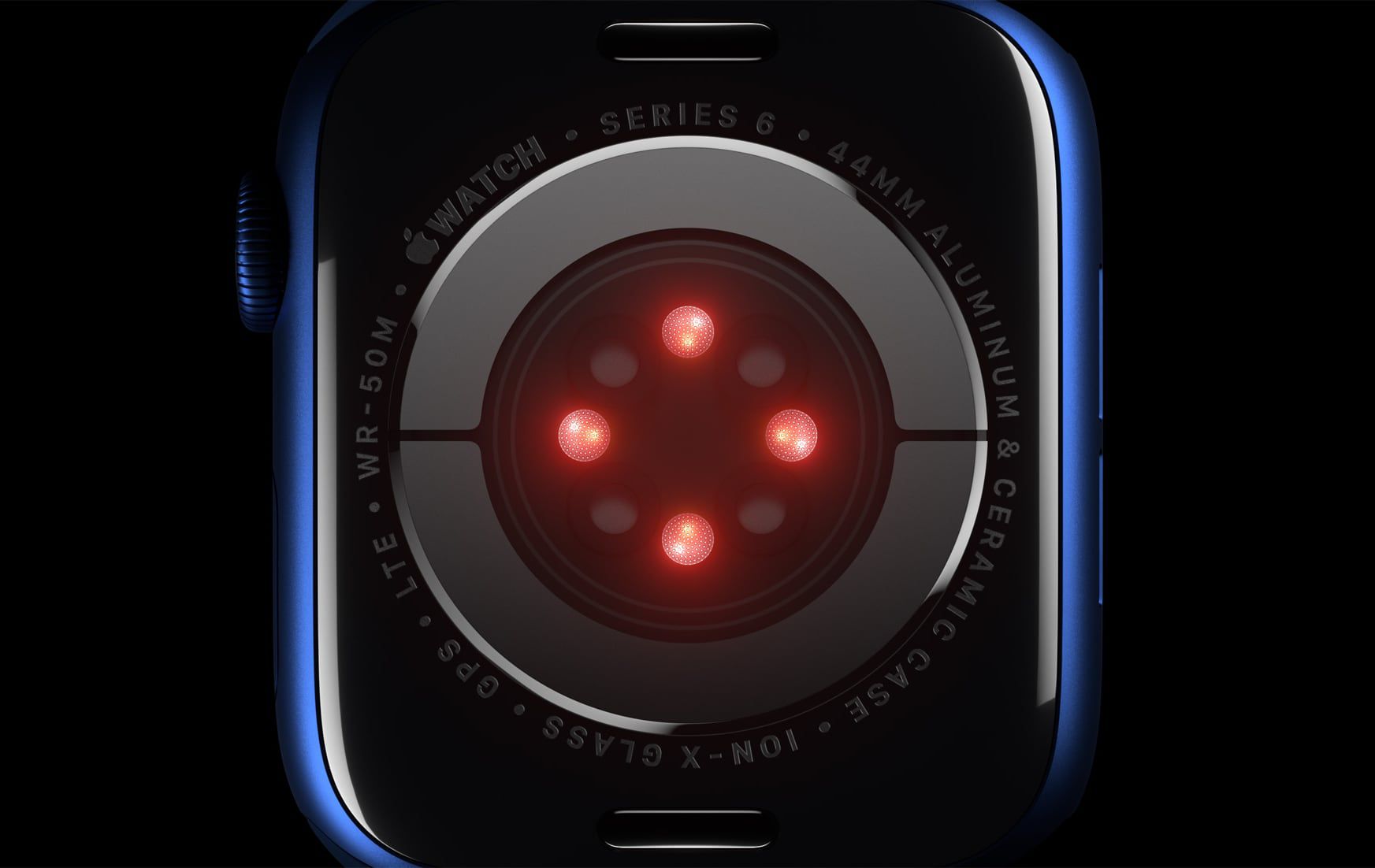
Apple has not publicly confirmed how Sonera’s technology will be used in a commercial product. That means you should treat possible Apple Watch health, accessibility, or fitness features as potential directions rather than announced product plans. Still, the acquisition is a clear signal that advanced body and brain sensing is receiving serious attention from a major technology company.
Why This Matters for Malaysian SMEs
Malaysia has a wide range of small businesses that could benefit from more practical physical-performance data. A physiotherapy centre in Kuala Lumpur, for example, could eventually use non-invasive sensing to monitor a patient’s muscle recovery between sessions. A sports academy in Johor could track movement patterns during training. A manufacturing SME in Penang might explore fatigue-monitoring tools for safety programmes, subject to proper medical, employment, and privacy safeguards.
Hospitality, wellness, and eldercare businesses may also find useful applications. A fitness studio could offer more individualised coaching based on muscle activation rather than relying only on visual observation. An occupational therapy provider could use data to show whether a treatment plan is improving movement. A home-care service might eventually use approved devices to provide clinicians or families with more consistent progress information.
For you as an SME owner, the immediate opportunity is not to wait for a futuristic device. It is to improve how your business handles operational and customer data today. If your trainers record performance on paper, if therapists manually prepare progress summaries, or if managers rely on scattered spreadsheets, basic automation can prepare your business for more sophisticated data later.
Start by creating consistent workflows for data collection. Define what you measure, who can view it, how long you retain it, and how you explain its use to customers. When new sensing products become available, a business with clean processes and reliable records will be in a stronger position than one that simply owns the latest device.
Practical implications for your business
| Business area | Possible future use | What you can do now |
|---|---|---|
| Physiotherapy and rehabilitation | Track muscle and movement recovery more consistently | Standardise assessment forms and appointment records |
| Sports and fitness | Personalise training based on physical performance signals | Centralise member goals, training plans, and progress notes |
| Manufacturing | Support safety and fatigue-management programmes | Document incident reporting and shift-related observations |
| Healthcare support services | Provide clinicians with more structured remote information | Build consent, access, and escalation procedures |
Protect Customer Trust Before You Collect More Data
Brain, muscle, and health-related information should not be treated like ordinary marketing data. In Malaysia, businesses handling personal information need to consider obligations under the Personal Data Protection Department and the Personal Data Protection Act 2010. The exact requirements depend on your activities and the type of information collected, so you should obtain professional advice before launching a health-data programme.
“The best time to prepare for advanced sensing is before you buy the sensor: clarify the business purpose, customer consent, access rules, and security controls first.”
You should also be careful about making medical or performance claims. A device that detects a signal is not automatically a diagnostic system. If your business uses a wearable or software platform, check whether the product has the relevant approvals, evidence, and professional support for the intended use. Do not advertise that a tool can identify a disease or prevent injury unless those claims are properly supported.
Keep your first experiment narrow. For example, a sports business could test whether structured progress reports improve coaching conversations. A rehabilitation provider could assess whether digital reminders reduce missed follow-ups. Measure workflow improvements and customer experience before adding more sensitive data collection.
The Bigger Picture
Apple’s interest in Sonera reflects a broader movement toward technology that understands the body through continuous, low-friction sensing. The company’s stated applications include prosthetics, neuromuscular monitoring, biomarker discovery, and sports performance, according to MacRumors. These applications are not limited to large hospitals or global sports brands. Over time, services built around them could reach smaller clinics, gyms, care providers, and specialist businesses.
However, adoption will depend on accuracy, comfort, battery life, integration with existing software, regulatory approval, and the ability to interpret the data correctly. A sensor by itself does not improve a business. Value comes from connecting reliable information to a clear decision, such as adjusting a training plan, identifying a need for professional review, or reducing repetitive administration.
For Malaysian SMEs, the sensible approach is to monitor the market without rushing into untested claims. Ask vendors how data is stored, where it is processed, who owns the information, and whether it can be exported. Confirm whether the product integrates with your current systems. Most importantly, decide what business problem you are solving before considering the technology.
What You Should Do Next
- Identify one workflow where physical-performance information could improve service quality.
- Review your current consent forms, privacy notices, and data-access permissions.
- Train staff to distinguish wellness information from medical diagnosis.
- Use secure, centralised records instead of scattered personal devices or spreadsheets.
- Track measurable outcomes such as follow-up completion, reporting time, or customer retention.
- Ask technology suppliers for evidence, security details, support arrangements, and regulatory information.
Apple’s Sonera acquisition may eventually lead to new features in wearables, accessibility tools, or health platforms, but the commercial timeline remains unknown. For you, the practical message is already clear: businesses that organise their data, respect customer privacy, and automate routine processes will be better prepared when more capable sensing technology becomes accessible.
Ready to Streamline Your Operations?
Technology moves fast. Your operations should keep up. AutoRunBiz builds AI systems that run your daily workflows — from WhatsApp order capture to accounting. Book a free 15-min ops audit →