
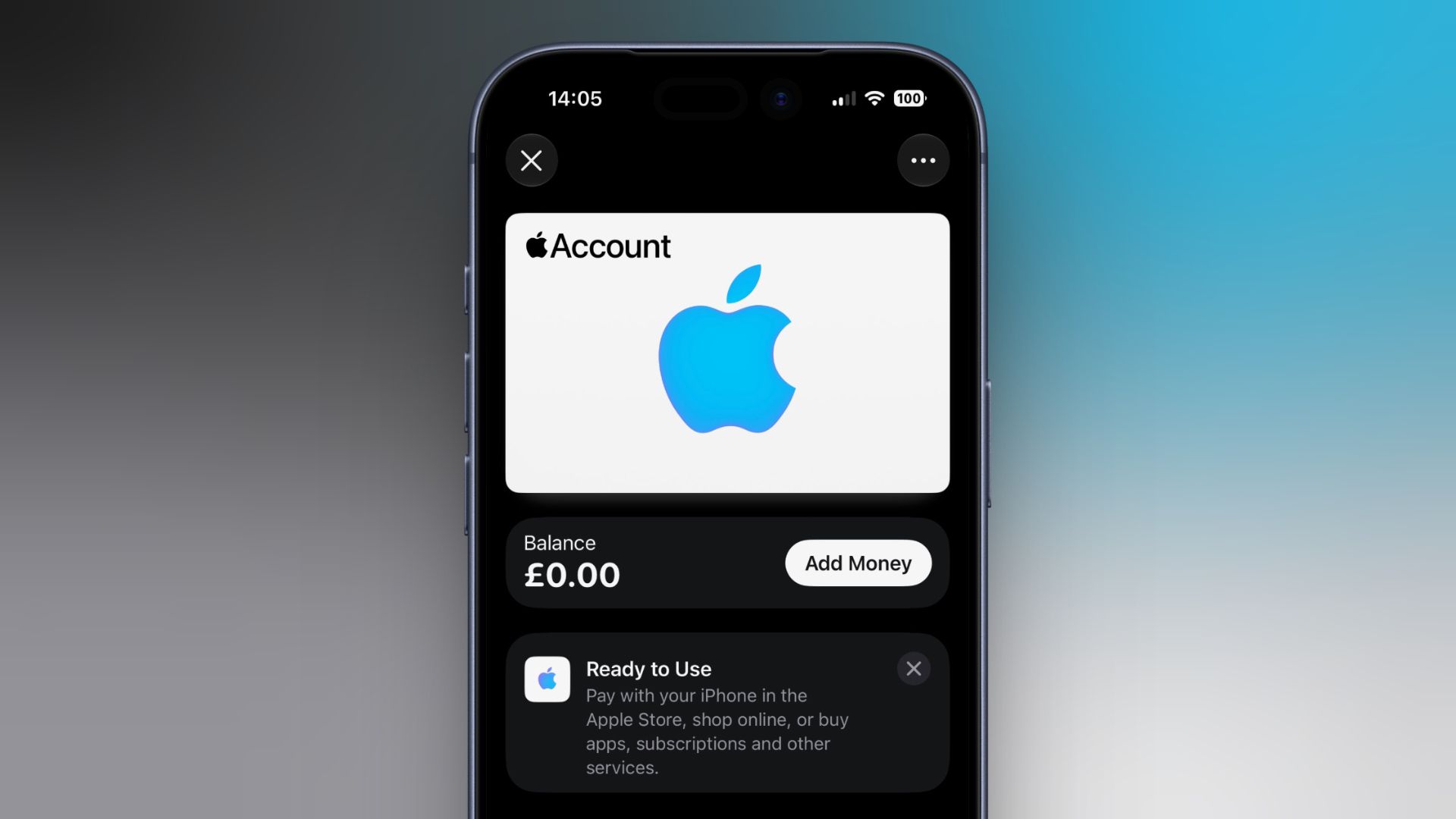
Why You Should Care About a Wallet Card That Isn’t Even Available Here
You run a business in Malaysia. Your morning starts with inventory, staffing schedules, or a customer who wants a refund processed “the right way.” The last thing you need is another global tech headline that has nothing to do with your shop. This week’s news about the Apple Account Card expanding to Estonia, Latvia, Lithuania, and Malta feels exactly like that — easy to scroll past and forget (via MacRumors). But buried inside this announcement is a distinction that matters more than you’d think: the difference between stored value and credit.
Malaysia isn’t on Apple’s supported list, so you don’t need to update your payment terminals or retrain your staff. But the concept behind this card is directly relevant to how you handle payments, refunds, and customer loyalty in your own business.
TL;DR: The Apple Account Card is the balance attached to an Apple Account — funds you can spend on Apple hardware, apps, and subscriptions. It is not a credit card, it earns no rewards, and you cannot withdraw the balance. For Malaysian SMEs, the real lesson isn’t about Apple at all. It’s about understanding how stored-value payments work, how they differ from credit, and how you can use the same logic — or avoid the same pitfalls — in your own operations.
What This Means: Stored Value Is Not Credit
Strip away the branding, and the Apple Account Card is a stored-value account. You top it up using a linked debit or credit card, spend it on Apple products and services, and if you return something, the credit goes back into the same balance. You cannot withdraw it as cash and you cannot send it to a friend (source).
That last point is the key. The moment funds enter an Apple Account, they are locked inside Apple’s ecosystem. The customer’s purchasing power is contained, their spending is tracked, and the value only flows back to one merchant. Apple gets the float, and the convenience of never having to return those funds through a bank settlement.
Compare that to a credit card or a bank debit card. Those are open-loop instruments. They work at any compatible terminal, they are processed through banks, and they carry dispute and chargeback protections. The Apple Account Card has none of those features because it is not a payment rail. It is store credit that happens to live inside Apple’s Wallet. As of this expansion, the card works in 26 countries and regions including Australia, Canada, Japan, the UK, and the UAE — but even in many of those places, paying in person at an Apple Store isn’t available, and Apple hasn’t confirmed whether the four newest regions will get the full feature set (source).
There’s a useful phrase for this: closed loop. Value goes in, value gets spent in one place, and the system is designed so it never leaves.
How This Applies to Malaysian SMEs
You already run your business inside a world full of closed-loop value — you just don’t call it that. Touch ‘n Go eWallet reloads, GrabPay credits, ShopeePay balances, prepaid phone plans. All of these are stored-value systems. Your customers top up an app, and those funds can only be spent with merchants inside that ecosystem. The Apple Account Card expansion is a reminder that these systems keep getting more sophisticated, more common, and more effective at keeping customers returning to spend their existing balance.
So what does this mean for your business? First, consider whether a stored-value model would work for you. You don’t need an app or an Apple-level budget. A café can sell a prepaid card for ten cups. A salon can offer prepaid packages. A tuition centre can accept block payments for a term. When a customer preloads value with you, you get paid upfront, you remove repeated payment friction, and you give the customer a concrete reason to come back. Global brands have used this reasoning for decades. Apple’s card shows that even the most valuable company on earth still depends on the same principle to keep customers inside its wall.
Second, and just as important: know when not to chase a payment trend. When you see a headline about a new payment feature from Apple, Google, or any other global player, your first question shouldn’t be “should I accept this?” It should be “do my actual customers use this?” The Apple Account Card isn’t supported in Malaysia at all, and the number of your local customers holding a meaningful Apple balance is close to zero. What actually matters to your cash flow is what your regulars pull out at your counter every day — DuitNow transfers, e-wallet QR codes, bank cards, cash. Chasing every new digital wallet creates extra reconciliation work and very little return.
Third, there’s an operational lesson hiding in this news. When a customer pays with stored value, a refund doesn’t go back to their bank account — it returns to the system’s internal balance. If you implement any prepaid scheme in your own business, you must plan for this. What happens when a customer demands a cash refund for a prepaid balance? What happens when your staff issue store credit by hand instead of through a proper cycle? Apple designs the Account Card so the balance cannot be cashed out (source). Your small business can’t be that rigid — but you can define the rules clearly before you start, and write them where both staff and customers can see them.
Practical Takeaways
- Check your own payment data before adopting anything new. Look at the last three months of sales. If a new method isn’t in your top five, it’s a distraction.
- Test a simple stored-value model. Start with a physical stamp card or prepaid credit system. Keep it simple, then automate only after it proves itself.
- Write down your refund policy for prepaid balances. Decide whether refunds go out as bank transfers, e-wallet transfers, or store credit. Publish it clearly.
- Never confuse stored value with credit. They carry different protections, different dispute paths, and different effects on your cash flow. Know which one you’re using.
- Automate the tracking. If you run prepaid balances or customer credits, make sure your accounting or POS system can track them accurately. Manual notes will fail when things get busy.
The Bigger Picture
The long-term trend isn’t about Apple. It’s about the direction every large company is moving: toward closed ecosystems where customer balances stay inside one brand’s walls. As an SME, you can’t build a wall around your customers the way Apple can. You have no hardware lock-in, no global app store, no trillion-dollar brand. But you don’t need them. You have something more direct — you see your customers in person, you know them by name, and you control exactly how the value flows in your business.
“Stored value is a promise that a balance works inside one shop. Credit is a promise that value works anywhere. Knowing which promise you’re making to your customers — and which promise they’re making to you — is the real skill behind every payment decision.”
The businesses that do well in the long run are the ones that borrow the thinking behind this news without copying the feature. Understand why Apple wants customer balances to stay inside its account. Then decide where you want your customers’ value to stay, and design a simple, honest system that makes it worth their while.
Look at stored-value wallets — the closed-loop model. Apple Account Card, Touch ‘n Go eWallet, GrabPay and ShopeePay all work this way: money stays inside the provider’s ecosystem, refunds return to the stored balance, and cash-out is usually not allowed. Apple’s card alone spans 26 markets (source); each e-wallet runs its own merchant network. The takeaway for your SME: a closed loop keeps customer value inside your ecosystem — and that’s exactly the thinking behind Apple’s move.
Ready to Streamline Your Operations?
Your business should run itself. AutoRunBiz deploys AI agents to automate your daily operations — WhatsApp orders, invoicing, customer follow-ups, and accounting. Book a free 15-min ops audit to see where automation fits your business →