
Why a New Pair of Earbuds Matters to Your Business
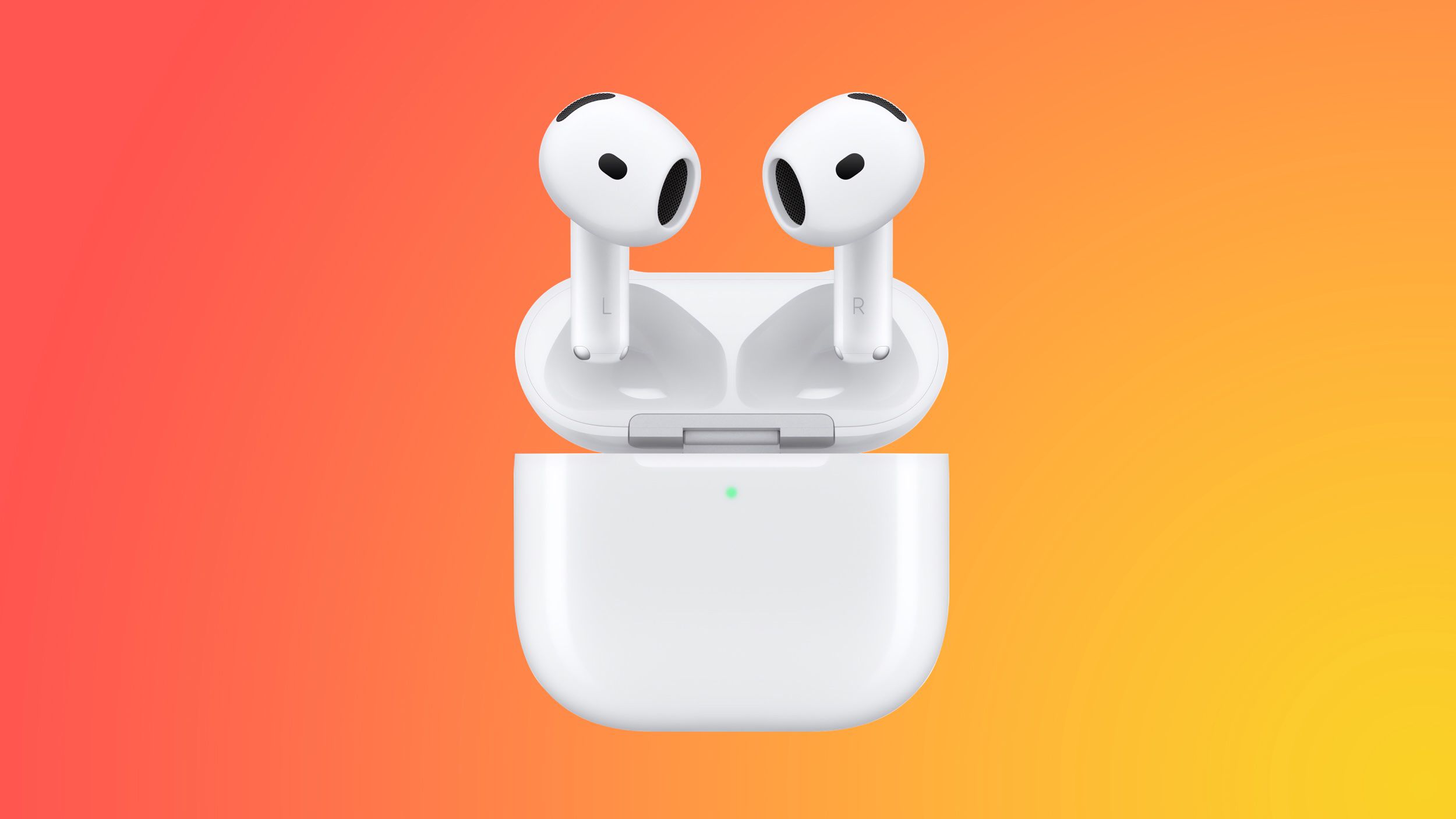
Apple may announce two AirPods 5 models as early as 9 September 2026, according to reporting cited by MacRumors. For a Malaysian SME owner, this is not simply another consumer electronics launch. It points to a wider shift: compact voice and audio devices are becoming part of how small teams communicate, serve customers and use business software.
You may run a shop in Shah Alam, manage a sales team in Johor Bahru, operate a logistics business in Penang or serve clients remotely from Kuala Lumpur. In each situation, your team is likely switching between calls, messaging apps, online meetings, delivery coordination and customer enquiries. Hands-free audio can make those tasks easier, but only when it is matched with clear policies, suitable devices and practical workflows.
What Happened
Apple is reportedly preparing two new AirPods 5 models, with an announcement potentially arriving on Wednesday, 9 September 2026, based on information from Bloomberg’s Mark Gurman cited by MacRumors. The report says the range is expected to include one version with active noise cancellation and another without it, following the product approach used for AirPods 4.
References to AirPods 5 were previously found in the macOS 26.7 Release Candidate code, and the devices could be introduced during Apple’s iPhone event, according to the same report. However, there is currently no confirmed information about how the new models will differ from AirPods 4, which launched in September 2024. The report also notes that AirPods 4 were listed in the United States at $129 and $179, depending on the model, so Malaysian availability and specifications should be checked after an official announcement.
That uncertainty is important. You should not treat a product rumour as a reason to replace every headset in your business. Instead, view the news as a prompt to review how your employees handle voice communication and whether your existing tools are creating delays, misunderstandings or unnecessary interruptions.
Why This Matters for Malaysian SMEs
For many Malaysian businesses, work is spread across noisy and changing environments. A property agent may take a client call while travelling between viewings. A café manager may need to contact a supplier during a busy service period. A field technician may receive instructions while moving between customer locations. A small online seller may handle customer support from a shared home office. In these cases, reliable audio can help your team stay connected without constantly holding a phone.
Active noise cancellation may be useful in places such as shared offices, retail floors, warehouses and public transport. However, it also requires careful use. An employee who cannot hear nearby colleagues, warning signals or customers may create a safety or service problem. You need to decide when noise cancellation is appropriate, when transparency or normal listening should be used, and whether certain work areas should prohibit earbuds entirely.
Audio devices can also support business automation. Your staff might use speech-to-text to capture meeting notes, record customer requests into a CRM system, or issue voice commands to task-management software. The earbuds themselves do not automate a business, but they can make it easier for people to interact with the automation tools you already use. The value comes from connecting the device to a defined process, not from buying hardware without changing how work gets done.
| Business situation | Potential use | Control you should apply |
|---|---|---|
| Remote client meetings | Clearer calls and hands-free note-taking | Use approved meeting and transcription tools |
| Retail or hospitality | Quick contact with supervisors or suppliers | Keep one ear available where customer awareness matters |
| Field service | Receive instructions while working | Follow workplace and road-safety rules |
| Sales operations | Record follow-ups after customer calls | Review consent and customer-data handling |
The business question is not “Should you buy the newest earbuds?” It is “Where would better hands-free communication remove a real bottleneck in your workflow?”
How You Can Prepare Before the Launch
Start by listing the communication tasks that interrupt your team most often. Look at missed calls, repeated customer questions, unclear voice messages and meeting notes that are never added to your system. Ask employees which tasks require them to stop what they are doing. This gives you a practical baseline before considering any new device.
Next, separate convenience from operational need. A customer-facing employee may need a dependable microphone more than advanced listening features. A manager working from a shared office may value background-noise control. A delivery coordinator may need a lightweight device with reliable switching between a laptop and phone. Different roles may require different equipment, and a single standard may not suit everyone.
You should also check compatibility. Before adopting any new earbuds, confirm that they work properly with the phones, laptops, meeting platforms, messaging applications and business systems your team already uses. Test call quality, microphone performance, connection stability and battery routines. Do not assume that a device designed for one ecosystem will provide the same experience across every operating system.
Privacy deserves equal attention. If employees use voice assistants, call recording or AI transcription, your business should explain what is captured, where it is stored and who can access it. Customer conversations may contain contact details, order information or other sensitive business data. Create a simple policy covering consent, approved applications, recording restrictions and the deletion of unnecessary audio files.
The Bigger Picture
The possible AirPods 5 launch reflects a larger movement towards ambient computing: technology that stays close to you and responds through voice, audio or lightweight controls. For SMEs, this may eventually make routine actions easier. A salesperson could receive a reminder before a client call, a technician could access a service checklist without touching a phone, and a supervisor could dictate a follow-up task while walking through a worksite.
Yet hands-free technology will not fix weak processes. If your customer records are incomplete, your staff do not follow up, or your internal communication is scattered across too many apps, new earbuds will only make those problems faster to repeat. You need a clear workflow first: capture the request, assign responsibility, set a deadline and confirm completion.
The launch also shows why SME owners should monitor mainstream technology without chasing every trend. A consumer product can become useful in business when it fits an existing need and is supported by rules. It can become a distraction when employees use personal devices inconsistently, store business information in unapproved applications or remain unavailable to customers and colleagues.
A Practical Decision Checklist
- Identify the work tasks where phone handling or background noise causes delays.
- Check whether your current headsets already solve those problems.
- Define which roles may use earbuds and in which locations.
- Test compatibility with your existing phones, computers and meeting platforms.
- Set rules for recordings, transcription, customer consent and data access.
- Measure results through response time, missed calls and completed follow-ups.
- Wait for official specifications before making a technical decision.
For now, the AirPods 5 story is a useful reminder rather than an immediate purchasing instruction. If Apple confirms the launch, compare the official specifications with your team’s real requirements and test the devices in your actual work environment. The strongest result for your SME will come from combining reliable audio hardware with disciplined communication and automation processes.
Ready to Streamline Your Operations?
Technology moves fast. Your operations should keep up. AutoRunBiz builds AI systems that run your daily workflows — from WhatsApp order capture to accounting. Book a free 15-min ops audit →