
Why AI Trust Matters to Your Business
You may be considering AI to answer customer questions, prepare quotations, summarise documents, manage stock information or help your team write faster. But your customers are asking a different question before they accept any AI-assisted service: Can I trust what this business is doing with my information?
That question matters whether you run a tuition centre in Johor, a trading company in Penang, a clinic-support business in Selangor or an online store serving customers across Malaysia. Customers may not object to AI itself. They object when the technology feels hidden, careless, inaccurate or designed only to benefit the company.
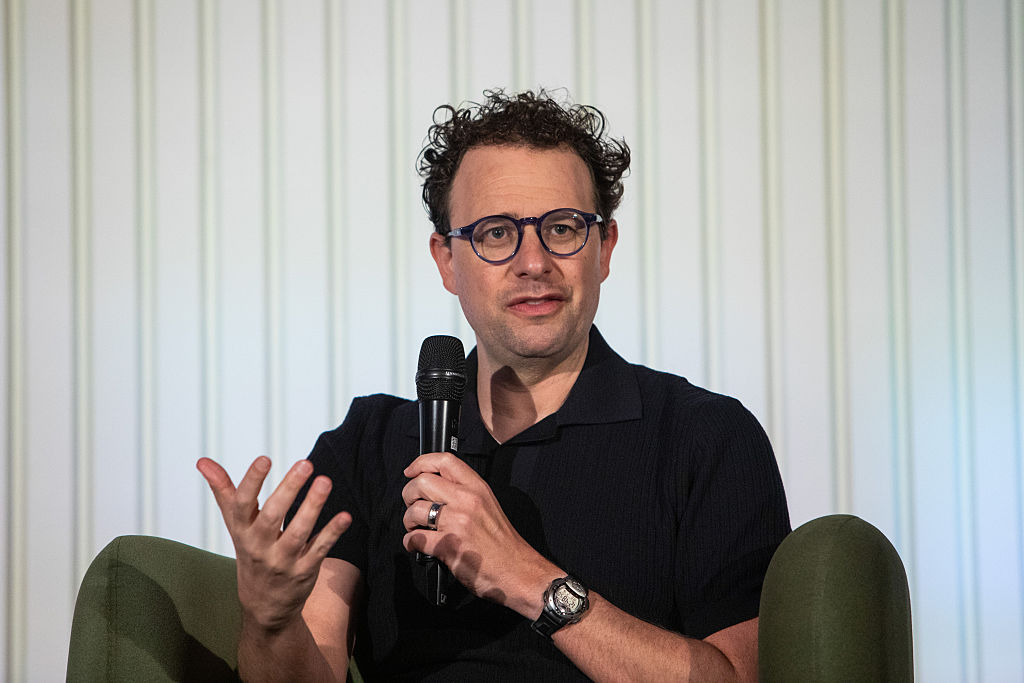
Anthropic CEO Dario Amodei described public resistance to AI as “fundamentally a crisis of trust”. He argued that people often distrust companies, governments and technology businesses, and that confidence will improve through useful results rather than grand promises. Source: TechCrunch
TL;DR
AI adoption is not only a technology decision. It is a trust decision between you, your staff and your customers.
Start with clear disclosure, human review, limited access to sensitive information and simple ways for customers to correct mistakes.
What This Means
The public debate around AI often focuses on regulation, data centres, job concerns and the speed of new technology. However, the practical issue for a small business is much closer to home: people need evidence that AI will not create new problems for them.
For example, a customer may accept an automated reply if it gives a useful answer and allows them to speak with your staff. The same customer may become frustrated if a chatbot confidently gives the wrong delivery date, repeats private information or refuses to explain how an answer was produced.
This is why trust cannot be created through branding alone. Amodei said the strongest criticism of AI companies is that they have not yet delivered on their large promises to benefit the public. He also compared claims about AI solving major human problems with the need to show real results instead. Source: TechCrunch
For your business, the lesson is straightforward: do not begin with “What can AI do?” Begin with “What customer problem can we solve more reliably with AI?” That change in question helps you choose smaller, safer and more useful applications.
Trust grows when customers can see what AI does, understand its limits and reach a responsible human when something goes wrong.
How This Applies to Malaysian SMEs
Customer service: Many Malaysian SMEs communicate through WhatsApp, social media, email and phone calls. You can use AI to organise common questions, suggest replies or translate messages between English, Bahasa Malaysia and other commonly used languages. However, your customer should not be left guessing whether a person or an automated system is replying. A simple message such as “This is an AI-assisted reply. You may request our team at any time” sets a clear expectation.
You should also define which questions require human attention. Complaints, refund disputes, health-related queries, employment matters and requests involving personal information should be routed to a trained team member. AI can prepare a draft, but your staff should decide what is actually sent. This protects the customer experience and prevents an efficient-looking process from creating an embarrassing mistake.
Sales and quotations: AI can help your salesperson summarise a prospect’s requirements, compare product specifications and prepare a first draft of a quotation. That does not mean the system should make promises on your behalf. A quotation containing the wrong product model, delivery condition or service scope can damage a relationship quickly.
Create a review step before any AI-generated quotation reaches a customer. Ask the salesperson to confirm the customer’s needs, product availability, delivery details and terms. When your team knows that AI output must be checked, they are more likely to use it as an assistant rather than treating it as an authority.
Internal documents: You may want to use AI to search standard operating procedures, meeting notes, product manuals or staff guidelines. This can help employees find information without asking the same question repeatedly. Yet documents should be organised carefully. Old procedures, duplicated files and conflicting instructions can cause the system to produce an answer that sounds polished but is still wrong.
Start with a small set of approved documents. Assign someone to review them regularly and label information that is outdated. Keep sensitive employee, customer and supplier records separate from general business references unless you have a clear reason and suitable controls for using them. Your staff should know what they may paste into an AI tool and what must remain inside your approved business systems.
Marketing content: AI can help you draft social media captions, product descriptions and email campaigns. The risk is not only that the writing sounds generic. It may also make claims that your business cannot support. For a Malaysian SME, inaccurate statements about delivery coverage, product performance, ingredients or service results can create customer complaints.
Keep a human approval step for public content. Ask the reviewer to check facts, tone, language and whether the content reflects your actual business practices. A short, accurate message is usually better for trust than a dramatic promise generated in seconds.
A Simple Trust Framework
| Area | Practical question | Action for your team |
|---|---|---|
| Purpose | What customer or staff problem is AI solving? | Write one clear sentence before starting the project. |
| Disclosure | Will people know when AI is involved? | Use a short notice and provide a human contact option. |
| Accuracy | Who checks the answer before it affects a customer? | Assign a named staff member for review. |
| Data | What information does the tool receive? | Limit inputs to information necessary for the task. |
| Recovery | What happens when the system is wrong? | Record the error, correct the customer and update the process. |
The framework has five areas because a trustworthy AI process needs more than a privacy statement. People need to understand the purpose, recognise the technology, rely on a checking process, know that their information is handled carefully and see that mistakes are corrected.
Practical Takeaways
- Choose one repetitive process instead of introducing AI across the whole business.
- Tell customers when an automated or AI-assisted response is being used.
- Give customers a clear route to a human staff member.
- Do not allow AI to make unreviewed promises about delivery, quality, eligibility or outcomes.
- Create a simple internal list of information that staff must not enter into unapproved tools.
- Use approved documents as the basis for internal AI answers, and remove outdated versions.
- Keep a record of common AI mistakes so your team can improve prompts, instructions and review steps.
- Ask staff to challenge an answer that seems unusually confident, vague or inconsistent with your normal process.
- Measure useful outcomes such as fewer repeated questions, faster response handling and fewer corrections, rather than focusing only on how quickly content is produced.
What Regulation and Governance Mean for You
The source article describes a disagreement over whether regulation could limit AI progress or concentrate power among large technology companies. Amodei argued that well-designed rules could address serious risks while still leaving room for smaller competitors and open models. Source: TechCrunch
You do not need to wait for every policy question to be settled before improving your own governance. A basic internal rulebook can cover who may use AI, which tools are approved, what information may be entered, when human review is required and how incidents are reported.
These rules should be written in plain language. “Use good judgement” is not enough for a busy employee handling dozens of enquiries. A better instruction is: “AI may draft a reply to a general product question, but a staff member must check availability and delivery information before sending it.”
The Bigger Picture
AI tools will continue to become easier for small businesses to access. The difference between companies will not simply be who has the latest tool. It will be who has built reliable processes around the tool.
Customers are likely to remember how your business handled an error more than whether your first AI reply was impressive. If you admit a mistake, provide a clear correction and improve the process, you demonstrate responsibility. If you hide the mistake or blame the technology, you weaken confidence.
The long-term opportunity is to make AI feel useful without making your business feel careless. Use it to reduce repetitive work, help staff find information and respond more consistently. Keep judgement, accountability and customer relationships with people who understand your business.
That is how a Malaysian SME can respond to the wider AI trust problem: not with exaggerated claims, but with visible safeguards and dependable service. Start with one process, explain it clearly, review the results and let customer feedback guide your next step.
Ready to Streamline Your Operations?
Your business should run itself. AutoRunBiz deploys AI agents to automate your daily operations — WhatsApp orders, invoicing, customer follow-ups, and accounting. Book a free 15-min ops audit to see where automation fits your business →