
Your Inbox’s Greatest Threat is Getting Smarter
Picture this. You open your inbox. There is an email from your long-time supplier. The tone is exactly right. They mention the project you just confirmed. They ask you to update the payment details for the next invoice. The invoice number matches their sequence.
Everything feels safe. It is the most dangerous email you will ever receive.
This is not a clumsy scam. This is an AI-crafted spear phishing email. It analyzed your digital footprint, your supplier’s communication style, and your company’s operations in seconds. This is the new reality for every business owner who relies on email—which is all of you.
TL;DR: AI is now writing scam emails that look indistinguishable from real ones. Traditional spam filters catch less than half of them. For Malaysian SMEs, this means “being careful” is not enough. You need new verification habits and automated defense tools to survive.
What This Means
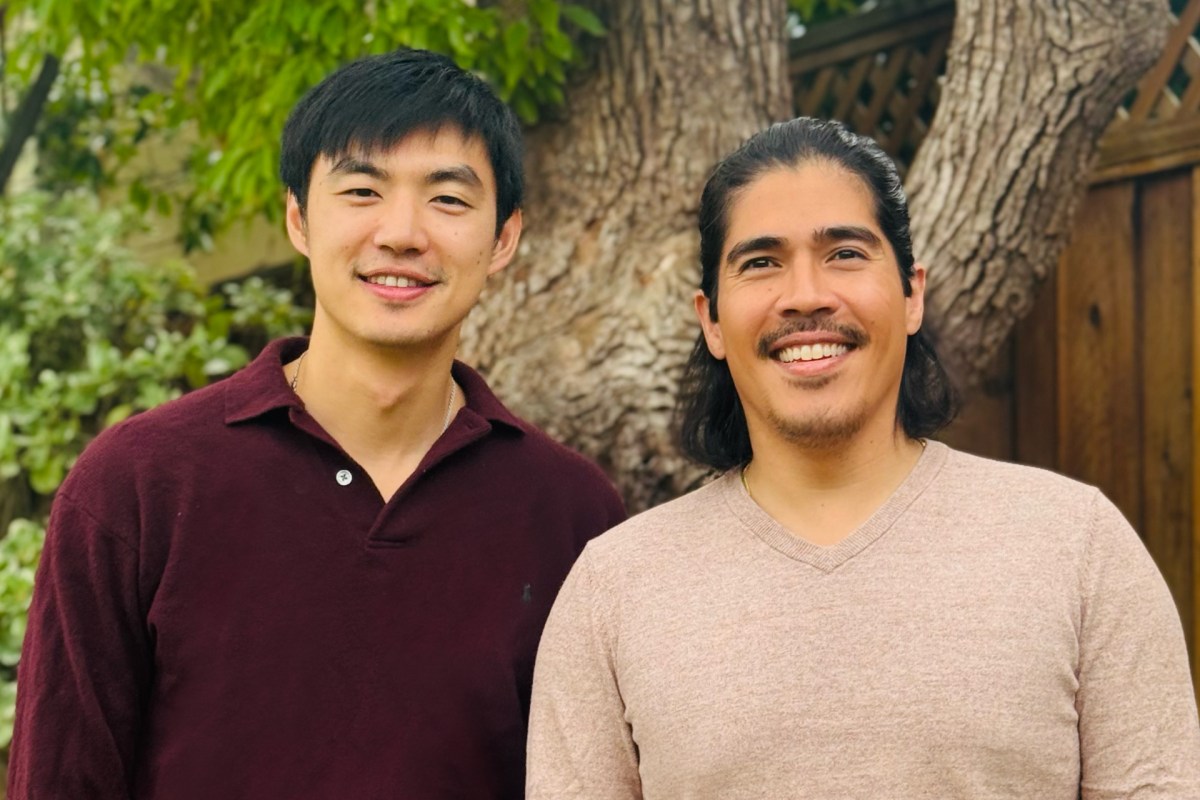
A recent report highlighted AegisAI, a startup founded by former Google security experts that just raised significant venture capital to fight this exact threat. The founders, who built security for Gmail, saw that traditional “if-then” security rules are completely failing. If a link isn’t on a blacklist, the email gets through.
AI attacks don’t care about blacklists. They use AI to generate emails that look exactly like the ones you usually get. They can mimic your colleague’s urgency, your boss’s tone, or your vendor’s invoice format. As the AegisAI co-founder put it in the report, “AI-powered attacks bypass existing controls more than half the time now.” This means more than half of these perfectly crafted attacks land directly in your inbox.
“Spear phishing” means the attacker is targeting you specifically. They are not sending a generic “Your account is locked” email to a million people. They are researching your team, your supply chain, and your current projects. They build a trap custom-made for your operations.
“Your spam filter is fighting yesterday’s war. AI attacks don’t have spelling mistakes. They have your calendar, your contacts, and your projects. Your defense must be just as smart as the attack.”
How This Applies to Malaysian SMEs
You might think, “We are a small team. We are not a target.” This is a dangerous assumption. In Malaysia, SMEs are the backbone of the economy—and they are the prime target for these attacks. Why? Because you are an operational business that pays bills, salaries, and suppliers every month. You often don’t have a dedicated IT security team reviewing every email, which makes trust your biggest vulnerability.
Scenario 1: The Finance Director. Your finance person receives an email from ‘you’ (the boss). The AI has scanned your emails and calendar. It knows you are in a customer meeting right now. The email asks for an urgent payment transfer. The tone is exactly your style. Your finance person processes it. This is Business Email Compromise (BEC), supercharged by AI. The human firewall fails because the AI has learned exactly how to bypass it.
Scenario 2: The New Supplier. You just onboarded a new vendor. An email comes in with an updated bank account number “for our new system”. The email looks like it came from their finance team. You update your records and pay the next invoice. The real supplier is confused, and your working relationship is damaged. AI makes these “invoice redirect” scams perfectly convincing.
Scenario 3: Payroll Impersonation. An email arrives from your HR manager. “Please update your banking details for salary crediting in the attached form.” The employee downloads the file. The file is a malicious PDF that bypasses standard security, exactly as described in the AegisAI article. The employee’s device is compromised, and the next operations cycle is crippled.
These attacks exploit the very systems you built to run your business efficiently. The automation you rely on for speed is the same vector the attacker uses for impact.
How to Tell the Difference
| Attack Type | Traditional Signature | AI-Driven Signature |
|---|---|---|
| CEO Fraud | Obvious grammar errors, generic request | Perfect grammar, mimics specific speech patterns, refers to real ongoing projects |
| Invoice Redirect | Fake logo, deliberately suspicious email domain | Fully cloned invoice layout, spoofed domain that closely matches the real one |
| Attachment Fraud | Standard .exe or .zip file (often blocked by gateways) | Password-protected PDFs or documents that look like standard business files but contain hidden threats |
Practical Takeaways (Your New Security Checklist)
How do you fight back without a huge budget or a team of experts? You build a practical defense system into your daily operations.
- Create a “Verify Out of Band” Policy. Make it a strict rule: any email requesting a payment or sensitive data change must be verified via a known phone number or face-to-face. Not via email, not via the phone number listed in the email signature. This breaks the attacker’s chain of deception.
- Slow Down the “Urgent” Request. AI attacks thrive on urgency. Train your team that any request demanding immediate action is a major red flag. A legitimate request can survive a 10-minute verification call.
- Look for Contextual Anomalies. Does the language match exactly? Would your boss really use that specific phrase? Did the vendor’s previous invoices have a different layout? AI is very good, but it can miss the subtle rhythm of your business communications. Trust your gut if something feels slightly off.
- Deploy a Third Layer of Email Security. Your standard Gmail or Outlook spam filter is not enough. Look for add-ons for Microsoft 365 or Google Workspace that specifically use “behavioral analysis” to scan for BEC and spear phishing. This is the dedicated automated defense you need to complement human vigilance.
- Test Your Team. Run internal phishing simulations. Many tools allow you to send a practice malicious email to your staff. If someone clicks, you know exactly who needs more training. It turns a potential disaster into a learning opportunity.
The Bigger Picture
This isn’t just a technology shift. It is a fundamental change in how we trust digital communication. The era of the “spray and pray” email scam is ending. The era of the bespoke digital trap is here.
The success of companies like AegisAI shows that the entire cybersecurity industry is moving towards agentic defense. Autonomous systems will monitor your environment 24/7, analyzing context and intent rather than just scanning for bad links. For the next decade, the arms race between AI attackers and AI defenders will define business security.
For you, the Malaysian SME owner, the path forward is clear. You do not have to be a cybersecurity expert. You just have to adopt good operational discipline. Automate your verification layers. Educate your team on the specific tactics of AI attacks. And never trust a digital request at face value.
Automation is your competitive advantage. Let us help you make sure it doesn’t become your vulnerability.
Ready to Streamline Your Operations?
Your business should run itself. AutoRunBiz deploys AI agents to automate your daily operations — WhatsApp orders, invoicing, customer follow-ups, and accounting. Book a free 15-min ops audit to see where automation fits your business →