
When Daily Admin Starts Running Your Business
As an SME owner, you may spend more time coordinating work than doing the work that customers actually notice. Messages arrive through WhatsApp, email, social media and phone calls. Staff need reminders. Customers ask for updates. Suppliers send documents. Appointments move. Small tasks accumulate until your day becomes a sequence of interruptions.
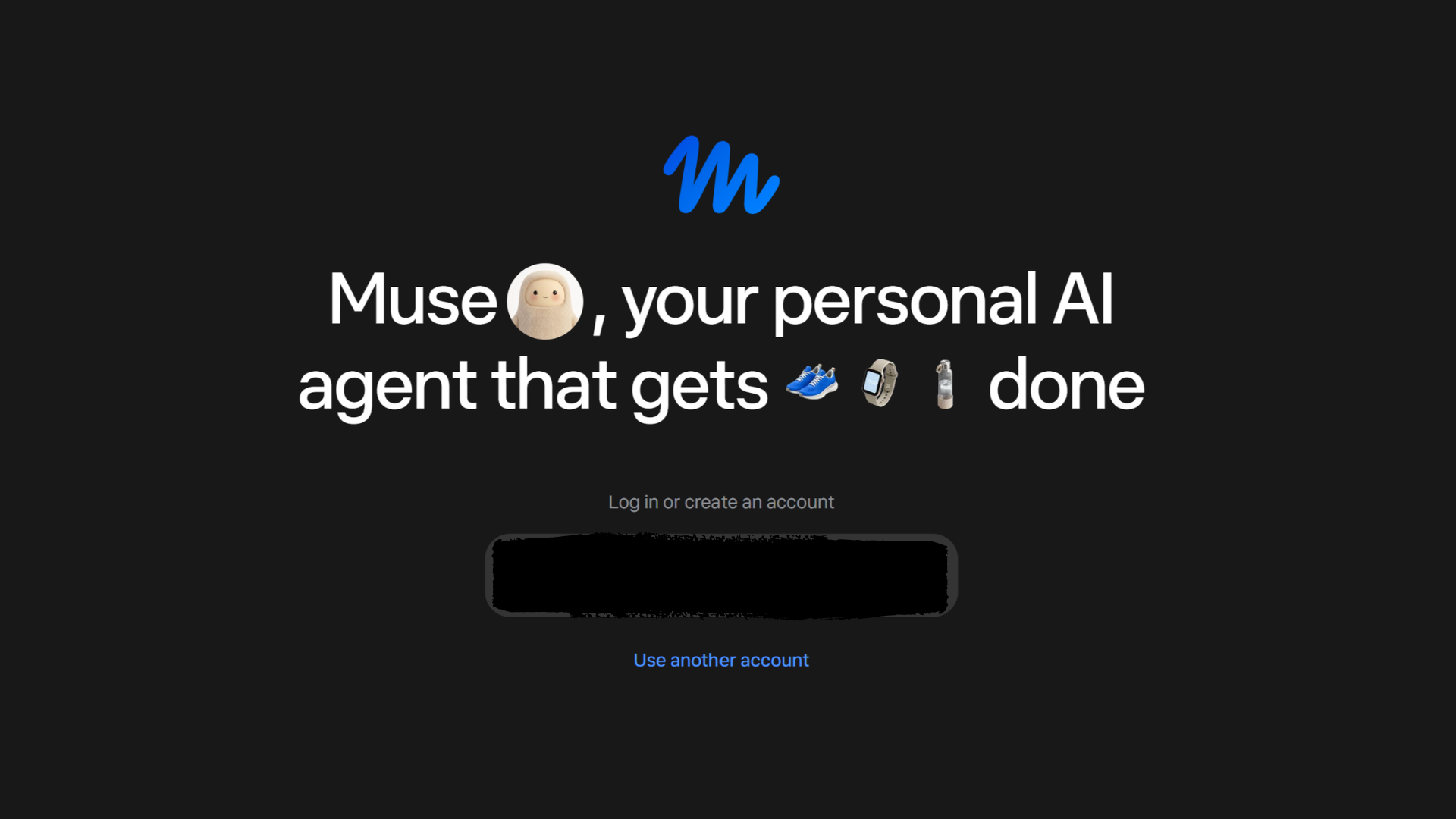
That is why the idea of a personal AI agent deserves your attention. The reported launch of Meta Muse presents an AI assistant designed to help manage parts of a person’s daily life, rather than simply answer individual questions. For a business owner, the important lesson is not whether you should hand over your entire schedule to an AI. It is whether selected repetitive tasks can be organised, checked and completed with less manual effort.
TL;DR: A personal AI agent is intended to move beyond chat by helping coordinate tasks, information and reminders. For a Malaysian SME, the safest starting point is narrow, repeatable work such as follow-up lists, appointment preparation and internal reminders.
Before you connect any business system, define what the agent may see, what it may suggest and what still requires your approval.
What This Means
A conventional chatbot waits for you to type a question. You ask, “Draft a reply to this customer,” and it produces text. A personal AI agent aims to do more: it may organise information from different sources, remember an instruction, suggest the next action and carry out approved steps.
In simple terms, think of it as a digital coordinator. You could ask it to review today’s appointments, identify customers who have not received a follow-up and prepare a list for your team. Depending on the product’s actual features and permissions, it may also help with calendars, messages, documents or other connected tools. The precise capabilities of Meta Muse should be checked against Meta’s own product information and the original report, rather than assumed from the phrase “AI agent” alone.
The key difference is continuity. A chatbot often handles one request at a time. An agent is designed to work from an ongoing context: your priorities, deadlines, recurring tasks and approved workflows. That can be useful, but it also raises important questions about access, accuracy and responsibility.
The practical rule: let AI prepare and organise first; let people approve actions that affect customers, staff, compliance or business commitments.
How This Applies to Malaysian SMEs
Consider a service business such as an air-conditioning contractor, renovation firm or cleaning company. Your office may receive enquiries through WhatsApp while technicians update job details through calls or messages. A personal AI agent could help turn scattered conversations into a daily worklist: customer name, service address, preferred time, unresolved question and next follow-up. You would still confirm the details, but you would not need to reconstruct the list manually every morning.
For a retail or online seller, the useful role may be customer-service preparation. The agent could group unanswered questions, identify orders awaiting clarification and draft replies in a consistent tone. If your business serves customers in Bahasa Malaysia, English or a mixture of both, you can set clear language instructions and require staff review before sending. This is particularly useful when product information, delivery arrangements or return conditions must be accurate.
For professional firms such as accountants, agencies, tuition centres or consultants, the agent could support appointment preparation. It might summarise the previous conversation, list documents still needed and create a suggested agenda. You can then spend the meeting on the client’s actual issue instead of searching through old messages. Keep confidential documents in approved systems, and do not assume that a general-purpose consumer AI tool is suitable for sensitive records.
A personal agent may also help with internal coordination. You could set a daily instruction such as: “At 4pm, show me unfinished tasks, customer follow-ups due tomorrow and meetings requiring preparation.” The value is not in producing a clever answer. It is in creating a dependable routine that reduces forgotten actions.
However, Malaysian SMEs should account for local operating realities. Many teams rely heavily on WhatsApp, shared spreadsheets and informal verbal updates. Information may be incomplete or duplicated. An AI agent cannot reliably fix a process that has no agreed source of truth. Before introducing one, decide where customer status, appointment time and task ownership should be recorded.
Where an AI Agent Can Help First
| Business activity | Possible AI-agent support | Human approval needed |
|---|---|---|
| Customer follow-up | Find conversations needing a reply and prepare drafts | Check facts, tone and promised actions |
| Appointments | Summarise bookings and flag missing information | Confirm timing, location and staff availability |
| Team tasks | Create a daily list from approved updates | Assign responsibility and adjust priorities |
| Document preparation | Organise files and produce a first draft | Review confidential or legally important content |
| Management review | Highlight overdue items and repeated issues | Decide business action and communicate it |
Practical Takeaways
- Start with one workflow. Choose a repeated task that currently causes delays, such as daily follow-up tracking.
- Write clear boundaries. State which systems the agent may access and which actions it must never perform without approval.
- Separate drafting from sending. An AI may prepare a customer message, but a staff member should check it before delivery.
- Create a source of truth. Decide whether confirmed appointments and task ownership live in a CRM, calendar or shared business system.
- Protect sensitive information. Review the provider’s privacy, retention and account-control arrangements before connecting customer or employee data.
- Use Malaysian language preferences deliberately. Tell the system when to use Bahasa Malaysia, English or a bilingual response, and check names, addresses and local terms.
- Measure useful outcomes. Track practical indicators such as overdue follow-ups, missed appointments and time spent preparing daily worklists.
- Keep an audit trail. You should be able to see what the agent suggested, what a staff member changed and what was finally sent or recorded.
A simple pilot can run for two weeks. Select one team member, one workflow and a defined review process. At the end, ask three questions: Did the workflow become easier to manage? Were errors caught before reaching customers? Did staff understand when they were responsible for checking the AI’s work?
Questions to Ask Before You Adopt One
First, ask what the agent can actually access. Can it read only a selected calendar, or does it receive broad access to messages and files? Second, ask what it can do. There is a major difference between suggesting a reply and sending one automatically. Third, ask how your team can correct mistakes and retrieve records when something goes wrong.
You should also decide who owns the account. If an employee leaves, business information should not remain tied to a personal account. Use company-controlled access wherever the product supports it, and document the process for removing permissions.
Finally, make sure your staff understand that convenience does not remove responsibility. If an AI produces an incorrect customer update, your business still has to handle the outcome. Human review is especially important for commitments, complaints, personal information, employment matters and documents that could affect your obligations.
The Bigger Picture
Personal AI agents point towards a change in how people interact with business software. Instead of opening several applications and manually transferring information between them, you may increasingly describe the outcome you need and let an agent coordinate the steps. This could make small teams more consistent, especially when the owner is the person currently holding every reminder in their head.
But the long-term advantage will not come from adopting the newest assistant first. It will come from having clear processes, reliable records and sensible approval controls. An agent can make a good workflow faster. It can also make a messy workflow harder to audit if it is given too much freedom.
For your SME, the sensible approach is gradual: begin with organisation, move to drafting, then consider limited automation for low-risk actions. Keep people in charge of decisions that involve trust, accuracy and customer relationships. If Meta Muse or similar tools become available for your needs, judge them by the everyday problems they solve—not by how impressive the demonstration appears.
Ready to Streamline Your Operations?
Your business should run itself. AutoRunBiz deploys AI agents to automate your daily operations — WhatsApp orders, invoicing, customer follow-ups, and accounting. Book a free 15-min ops audit to see where automation fits your business →