
Green technology should solve a business problem first
You may be seeing more electric vehicles, portable power stations, robotic equipment, smart cameras and connected devices appearing in business promotions. The difficult part is not finding another product to buy. It is deciding which technology will genuinely improve your operations, protect your staff and reduce avoidable interruptions.
For a Malaysian SME, a purchase that looks attractive on a deal page still needs to work with local weather, electrical standards, internet reliability, delivery conditions and your existing processes. A café, workshop, property-management firm and online seller will each have very different priorities.
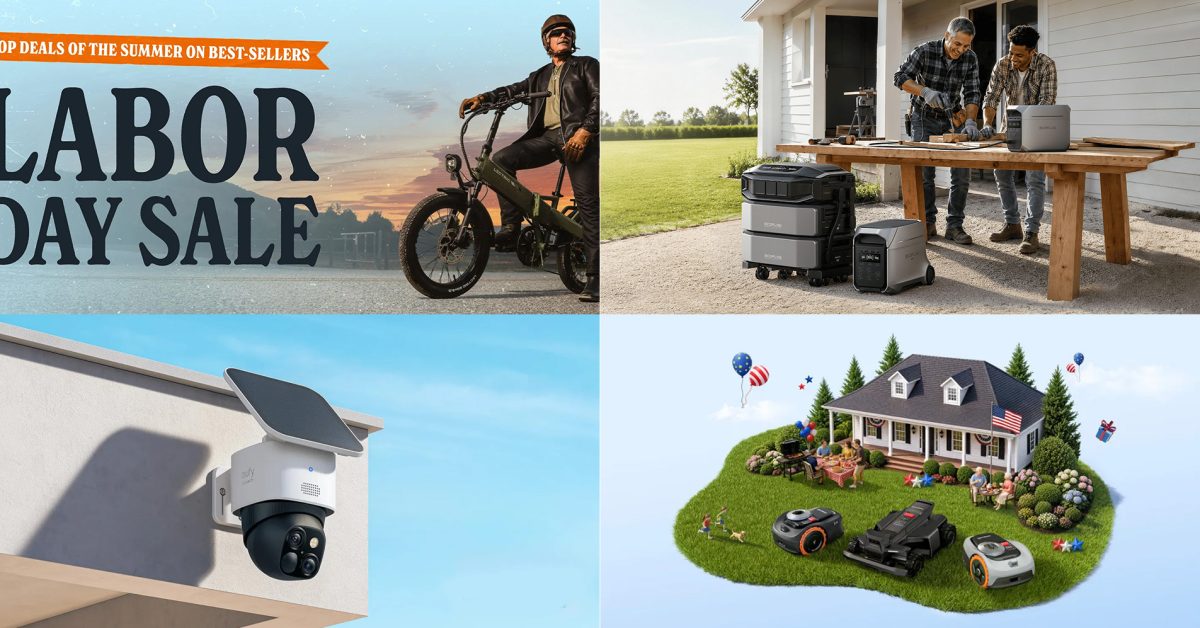
The source article groups post-Labor Day promotions into electric mobility, backup power, lawn and workshop tools, and smart devices. The useful lesson for you is not the individual overseas offers. It is the way these technologies can be assessed as part of a practical business system.
TL;DR
Green technology is most useful when it addresses a specific operational weakness, such as delivery travel, equipment downtime, site security or repetitive outdoor work.
Before buying, check local compatibility, warranty support, battery replacement, staff training and whether the device can connect to the workflow you already use.
What This Means
“Green technology” covers more than solar panels or electric cars. In the article, the category includes e-bikes and e-scooters, electric vehicle chargers, portable power stations, cordless tools, robot mowers, smart water timers, security cameras and connected lighting. The common thread is that these products use electricity, software or automation to perform work with less fuel, less manual effort or better control.
For business owners, the important concept is operational fit. A smart device is not automatically useful because it has an app. It becomes useful when it helps you complete a task more consistently, records information you previously missed or reduces the time your team spends on routine work.
For example, a solar-capable security camera may help you monitor a storage yard where wiring is difficult. A cordless pole saw may help a maintenance team complete work without transporting petrol equipment. A power station may keep essential networking equipment running during a short interruption. Each application starts with a business need rather than a product category.
Key insight: The best green technology purchase is usually the one that removes a repeated operational headache, not the one with the most impressive specification.
What the source article shows
| Technology area | Examples highlighted | Business question to ask |
|---|---|---|
| Electric mobility | E-bikes, e-scooters and EV charging equipment | Can this improve short-distance travel or site visits? |
| Backup power | Portable power stations ranging from about 1,004.8Wh to 5,040Wh | Which essential devices must continue operating during an outage? |
| Tools and outdoor work | Electric pressure washers, pole saws, hedge trimmers and robotic mowers | Can routine maintenance become safer or easier to schedule? |
| Smart devices | Security cameras, water timers, pool cleaners and connected lights | Can monitoring and automation reduce missed tasks? |
The product specifications above come from the Electrek green deals article. Treat them as examples from an overseas promotion, not as confirmation that every model is suitable or officially supported in Malaysia.
How This Applies to Malaysian SMEs
For delivery and field-service businesses, electric mobility may help with short local routes. If your staff travel between nearby shops, condominium blocks, offices or job sites, an e-bike can be considered for suitable routes. It may be easier to park than a van and useful for small parcels, documents or inspection visits. However, you should assess road safety, rain protection, rider training, load capacity and whether a local distributor can provide parts and servicing. Do not base the decision on claimed range alone, because rider weight, traffic, hills, payload and weather affect real-world use.
For retail, food and service businesses, backup power should protect critical operations. A portable power station could support a router, point-of-sale device, charging equipment, selected lights or a small monitoring system during a short interruption. Begin by listing the equipment that must remain active and checking each item’s wattage. A station described as 2,010Wh or 5,040Wh in the source article does not mean every appliance can run for that many hours. Actual runtime depends on load, inverter efficiency, battery condition and the connection method. The source article lists these capacities, but local electrical and warranty checks remain your responsibility.
For property managers, nurseries, landscaping teams and workshops, electric tools can reduce routine friction. The article mentions electric pressure washers, cordless hedge trimmers, pole saws, cultivators and robot mowers, with some listed tools offering reach of up to 12 feet or operating at 40V and 80V. Those figures are product claims reported by Electrek, so you should verify them with the manufacturer. In Malaysia’s humid conditions, battery storage, cleaning routines and water exposure matter. A shared battery platform may also simplify charging and training if your team uses several compatible tools.
For warehouses and small offices, smart monitoring can improve accountability. A camera, water timer or connected light is useful only when someone knows what action to take after an alert. You could configure a camera notification for an after-hours loading area, schedule irrigation for a plant nursery or automate lights in a storage zone. Before deployment, review Wi-Fi coverage, user permissions, password management and privacy obligations. Avoid placing cameras where employees or customers reasonably expect privacy.
For companies adopting automation, connected devices should feed a clear process. A smart camera that produces too many alerts creates noise. A power station without a test schedule may fail when needed. A cordless tool without battery charging ownership may sit unused. Assign an owner, record the device location and create a simple maintenance checklist. This is where a lightweight digital workflow can help you track inspections, battery condition, fault reports and replacement requests.
Practical Takeaways
- Start with one repeated problem: Identify downtime, manual checking, difficult short-distance travel or outdoor maintenance that regularly affects your team.
- Calculate the operating requirement: Record device wattage, daily travel distance, expected workload, charging time and environmental conditions.
- Verify Malaysian suitability: Check voltage, plug type, wireless frequency, safety certification, import requirements and local warranty coverage.
- Ask about after-sales support: Confirm battery availability, replacement parts, servicing and repair turnaround before placing an order.
- Test one workflow first: Use a limited pilot at one site or with one team before standardising the equipment.
- Protect accounts and data: Change default passwords, enable multi-factor authentication where available and restrict app access to relevant staff.
- Create an ownership checklist: Assign responsibility for charging, software updates, physical inspection, cleaning and incident reporting.
- Measure practical results: Track completed jobs, interruptions, travel time, missed alerts, equipment availability and staff adoption.
- Keep a backup process: Every automated system should have a manual alternative for internet outages, flat batteries or device failure.
The Bigger Picture
The long-term trend is not simply that more green products are appearing in online promotions. It is that business equipment is becoming more connected, battery-powered and software-managed. This creates opportunities for SMEs to run smaller, more flexible operations, but it also creates new responsibilities around cybersecurity, charging, maintenance and staff capability.
Malaysian businesses should expect green technology to move from isolated purchases into connected operating routines. A delivery company may combine route planning with electric mobility. A property manager may combine sensors, cameras and maintenance tickets. A retailer may connect backup power checks with its opening checklist. A landscaping firm may track batteries, tools and job completion in one shared system.
You do not need to adopt every new device. A sensible approach is to choose technology that fits your existing workflow, trial it in a controlled setting and document what changes. If the result is fewer interruptions, safer work, more reliable monitoring or quicker service, you have a practical foundation for the next improvement.
The promotions in the source article are time-limited and primarily aimed at its market. Their more valuable lesson for you is how to compare technology by use case. Before you respond to the next deal, ask: What business problem will this solve, who will manage it, and how will I know it is working? That question will help you make better decisions than any headline specification.
Ready to Streamline Your Operations?
Your business should run itself. AutoRunBiz deploys AI agents to automate your daily operations — WhatsApp orders, invoicing, customer follow-ups, and accounting. Book a free 15-min ops audit to see where automation fits your business →