
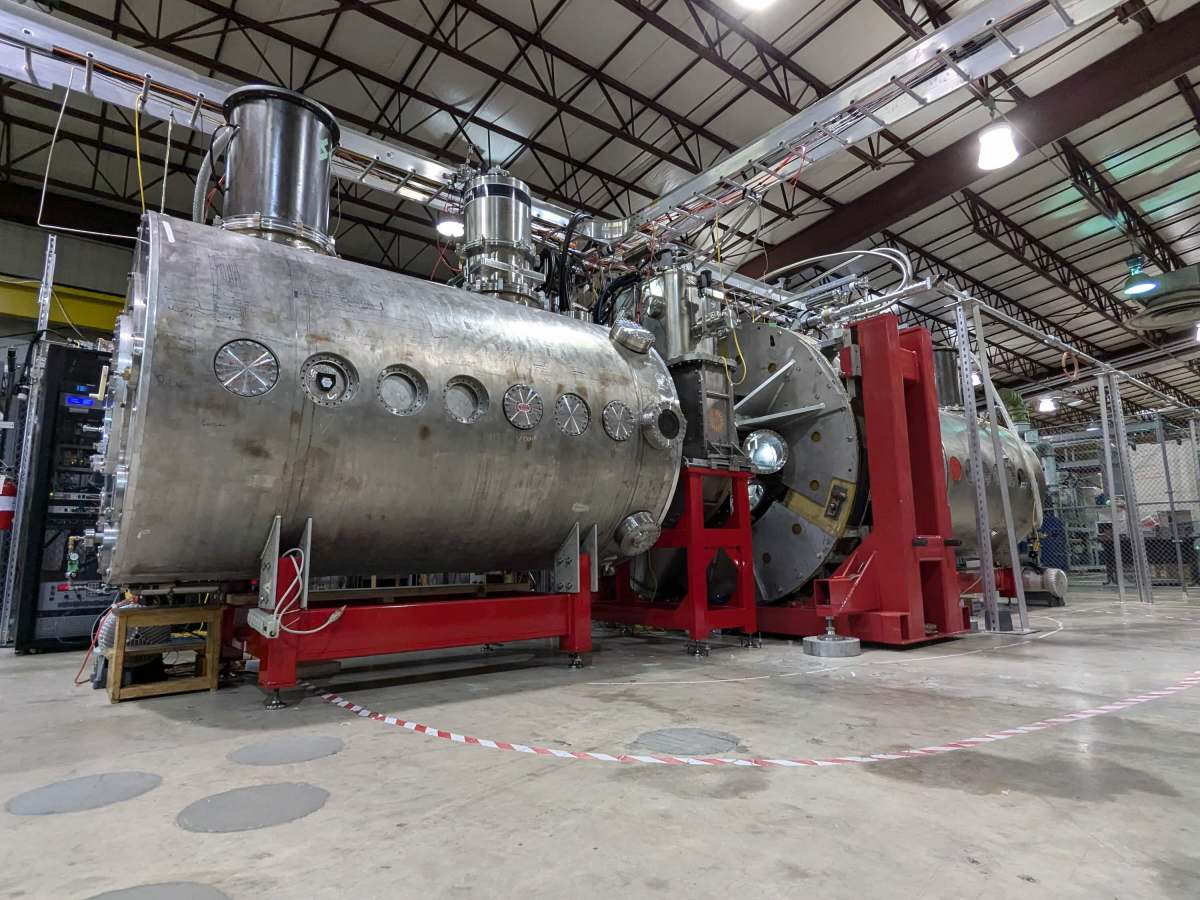
Why a Fusion Deal Should Matter to Your Malaysian Business
Fusion power may sound distant from the daily realities of running a Malaysian small or medium-sized enterprise. You are more likely to be thinking about sales, staff scheduling, inventory, customer service and cash flow than experimental energy technology. Yet a recent partnership in the United States offers an important signal: energy reliability is becoming a strategic business issue, especially as artificial intelligence, cloud computing and data-heavy operations increase electricity demand.
According to TechCrunch, fusion startup Realta Fusion has announced a partnership with Madison Gas and Electric to explore a grid-connected fusion power plant in Wisconsin. The proposed facility could generate 200 megawatts in the mid-2030s. The immediate lesson for you is not that your business should start investing in fusion. It is that utilities, technology companies and governments are preparing for an electricity system that must support more digital activity with fewer disruptions.
What Happened
Realta Fusion’s agreement with Madison Gas and Electric combines several forms of support. The utility will provide access to possible grid interconnection sites, engineering and technical assistance, financing support for the eventual plant and help related to land and development. The utility also made an equity investment, although the amount was not disclosed, as reported by TechCrunch.
The proposed plant is expected to be developed sometime in the mid-2030s, subject to technical, regulatory and construction progress. Realta is also converting a former Oscar Mayer factory in Madison into a research and development facility. This demonstrates a practical pattern in emerging technology: old industrial sites, existing utility connections and experienced infrastructure can help startups move faster than building everything from an empty site.
Realta is not alone. Commonwealth Fusion Systems has partnered with Dominion Energy on a planned 400-megawatt Arc plant near Richmond, Virginia. Helion is working with Chelan County Public Utility District on a proposed 50-megawatt Polaris facility intended to supply Microsoft. Type One Energy is planning a 350-megawatt plant at a former coal site in Tennessee, while Proxima Fusion is developing plans for a commercial facility at a decommissioned power plant site in Germany. These figures and project timelines were reported by TechCrunch.
For your business, the important development is not whether fusion arrives on schedule. It is that energy providers are planning for a future where reliable electricity is essential to digital operations, automation and industrial growth.
Why This Matters for Malaysian SMEs
Malaysia’s SME sector is becoming increasingly dependent on systems that require dependable connectivity and power. You may use cloud accounting, online payment gateways, customer relationship management software, warehouse scanners, security cameras, production equipment or AI-assisted customer support. When electricity or internet access is interrupted, the problem may quickly become missed orders, delayed deliveries, incomplete transactions or frustrated customers.
Fusion is not an immediate solution for Malaysian businesses. The projects described by TechCrunch are still planned for the 2030s, and commercial fusion remains a developing technology. However, the story gives you a reason to review your current energy resilience. A café using point-of-sale terminals, a workshop operating computer-controlled machinery, a logistics company managing real-time tracking or an online seller processing orders all have different exposure to power interruptions.
It also connects to the growing use of AI. You may not operate a large data centre, but your business increasingly relies on AI features embedded in software. These can include automated document processing, demand forecasting, translation, marketing content tools, fraud detection and chat assistance. As more companies adopt these services, the underlying demand for data centres and reliable electricity will grow. The fusion partnership shows how energy providers are preparing for that pressure, especially from large AI data centres, as noted in TechCrunch.
Practical actions you can take now
| Business area | What you should review | Useful action |
|---|---|---|
| Critical systems | Which tools must remain available during an outage? | Identify essential devices and prepare backup power or offline procedures. |
| Data | How quickly can you recover customer and transaction records? | Confirm automated backups and test restoration regularly. |
| Connectivity | Can your team continue operating if one connection fails? | Evaluate a secondary internet connection for important functions. |
| Equipment | Which machines are vulnerable to sudden shutdowns? | Use suitable protection and documented restart procedures. |
| AI tools | Does an AI feature support a critical workflow? | Keep a manual fallback so staff can continue serving customers. |
The Bigger Picture
Utilities have traditionally been cautious about adopting unproven technologies. Fusion has faced decades of technical challenges and delays. The recent interest described by TechCrunch reflects two pressures arriving at the same time: electricity demand is rising, while businesses and governments want cleaner and more dependable generation.
Renewable energy remains important, but solar and wind generation varies with weather conditions. Batteries can help balance supply and demand, yet grid operators are also interested in technologies designed to provide consistent electricity around the clock. Fusion is attractive in theory because it could offer reliable power without relying on fossil fuels. Whether commercial projects meet their targets remains uncertain, but utilities are treating the possibility seriously enough to provide sites, technical support and development partnerships.
For Malaysian SMEs, this broader shift has three implications. First, electricity should be treated as part of operational risk, not merely a routine utility bill. Second, automation plans should include continuity planning from the beginning. Third, your technology decisions should consider how dependent you are on cloud services, online platforms and external AI providers.
You do not need to wait for a new energy breakthrough to become more resilient. Start by mapping your critical workflows, documenting manual alternatives and checking whether your backup systems actually work. If a payment terminal, server, router or production controller fails, your team should know what to do without improvising under pressure.
What You Should Watch Next
Keep an eye on how Malaysian utilities, industrial parks and technology providers respond to rising demand from data centres, manufacturing and digital services. Also watch for improvements in energy monitoring, battery storage, smart building controls and automated load management. These technologies are more relevant to your business today than fusion, and they can help you understand where electricity is being used and where interruptions create the greatest operational impact.
The Realta Fusion announcement is ultimately a story about preparation. Large utilities are planning decades ahead because their customers will need more reliable power. You can apply the same principle at a smaller scale. By strengthening your digital systems, backup processes and energy resilience now, you make your business better prepared for the AI-powered economy—regardless of when fusion power becomes commercially available.
Ready to Streamline Your Operations?
Technology moves fast. Your operations should keep up. AutoRunBiz builds AI systems that run your daily workflows — from WhatsApp order capture to accounting. Book a free 15-min ops audit →