
Why OpenAI’s New Chip Matters to Your Business
Artificial intelligence is becoming part of everyday business operations, from replying to customer enquiries and preparing quotations to summarising documents and assisting sales teams. For a Malaysian SME, the important question is no longer whether AI exists. It is whether AI tools can respond quickly, handle more users and operate reliably as your business grows.
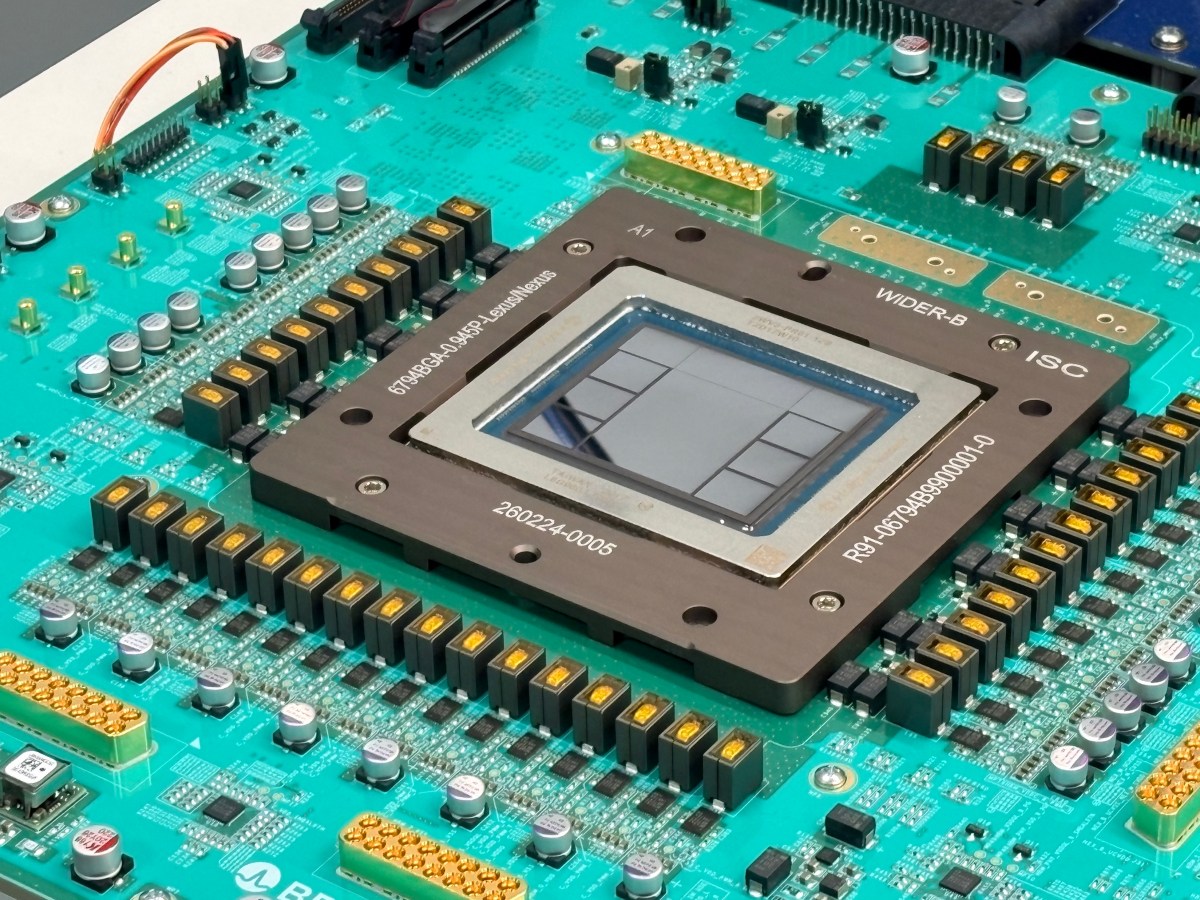
That is why OpenAI’s Jalapeño chip deserves attention. The company says its new processor is designed specifically for AI inference—the stage where a trained AI model generates an answer or completes a task. According to benchmark results presented at the Hot Chips conference, Jalapeño delivered more tokens per user and more throughput per kilowatt than the state-of-the-art systems tested in the comparison, including an Nvidia Blackwell system (TechCrunch).
You may never purchase a Jalapeño chip directly. However, the technology could influence the speed, availability and design of the AI services your business uses through cloud platforms, software subscriptions and automation providers.
What Happened
OpenAI shared details of Jalapeño, an AI processor developed in collaboration with Broadcom. The chip is intended for fast inference at scale, meaning it is built to serve many AI requests while keeping response times low. OpenAI’s head of hardware, Richard Ho, said the system could serve more AI work per unit of power while returning responses more quickly (TechCrunch).
The reported testing used SemiAnalysis’ InferenceX benchmark. OpenAI said Jalapeño achieved higher tokens per user and greater throughput per kilowatt than the compared processors. The comparison included an Nvidia Blackwell system, although the technology landscape may change before Jalapeño becomes widely available (TechCrunch).
OpenAI expects Jalapeño to enter deployment in very small volumes at the end of 2026, with more significant deployment expected in 2027. The company also described Jalapeño as a multigenerational platform, with AI products, models, chips and memory developed together (TechCrunch).
One of the chip’s main design goals is reducing delays caused by data movement and communication. OpenAI said Jalapeño can keep model state, including the KV cache used during response generation, closer to the computing resources that need it. The design also aims to handle different phases of inference more efficiently, including prefill and communication (TechCrunch).
Why This Matters for Malaysian SMEs
For you, faster inference can improve the customer experience. Imagine a property agency responding to enquiries in Bahasa Malaysia, English and Mandarin, or a wholesaler checking stock and delivery information through a chat assistant. If the system answers slowly, customers may abandon the conversation or call your staff instead. Faster processing can make AI-assisted service feel more practical during busy periods.
Retailers, clinics, tuition centres, logistics operators and professional firms can also benefit from responsive internal tools. An AI assistant could search standard operating procedures, summarise customer histories, classify incoming emails or prepare a first draft of a quotation. These tasks depend on quick access to information, particularly when several employees are using the system at the same time.
Malaysia’s SME environment is especially suitable for gradual AI adoption because many businesses already rely on cloud accounting, customer relationship management, messaging platforms, online marketplaces and shared documents. A more efficient infrastructure layer may allow software providers to add AI features without making users manage the underlying chips or servers.
For example, a Penang manufacturer could use AI to summarise inspection reports and identify recurring production issues. A Selangor service company could route WhatsApp enquiries to the correct team and draft replies. A Sabah tourism operator could answer common questions about bookings, transport and activities. The value comes from connecting AI to your existing workflow, not from owning advanced hardware.
For a small business, the practical benefit of a new AI chip is not the chip itself. It is the possibility of faster, more dependable tools that help your team complete routine work without adding unnecessary complexity.
Business areas where faster AI may help
| Business area | Potential SME use | What you should monitor |
|---|---|---|
| Customer service | Instant answers to common questions and enquiry routing | Accuracy, language quality and escalation to staff |
| Sales | Lead summaries, follow-up drafts and product recommendations | Whether staff review messages before sending |
| Operations | Document searches, task updates and workflow notifications | Integration with your existing systems |
| Finance administration | Invoice extraction and expense categorisation | Human checking and record accuracy |
What You Should Do Now
Do not wait for a new chip to begin planning. Start by listing repetitive tasks that consume staff time and do not require sensitive judgement. Good candidates include answering frequently asked questions, extracting information from forms, summarising meetings and creating internal checklists.
Next, measure the current process. Record how long a task takes, how often errors occur and where delays happen. This gives you a practical baseline when testing an AI tool. A faster response is useful only if the output is accurate and fits the way your team works.
You should also organise your business information before connecting it to an AI assistant. Keep product details, operating procedures, service areas and escalation rules in clear, updated documents. If the source information is incomplete or contradictory, a faster system may simply produce incorrect answers more quickly.
Data protection requires equal attention. Decide which information may be placed into an AI service and which information must remain restricted. Customer identification details, health information, financial records and confidential contracts should be handled according to your internal policies and applicable Malaysian requirements. Assign a person to review access permissions, retention settings and vendor terms.
The Bigger Picture
Jalapeño reflects a wider shift in AI infrastructure. Instead of relying only on general-purpose processors, technology companies are designing hardware around specific workloads and the complete path from model to user. OpenAI’s emphasis on memory placement, communication and inference phases shows that response speed depends on more than raw computing power (TechCrunch).
For businesses, this could lead to AI features becoming more embedded in everyday software. You may see quicker assistants inside customer support platforms, document systems, sales applications and enterprise communication tools. The most useful products will likely be those that combine speed with reliable business data, clear controls and easy handover to human employees.
Still, benchmark claims should be treated carefully. The published results came from a specific test and comparison, while broader deployment is expected later. Actual performance will depend on the AI model, software configuration, network conditions, workload and service provider. You should test tools using your own Malaysian customer questions and operating documents rather than relying solely on headline results.
The practical lesson is straightforward: prepare your processes now so your business can benefit as AI infrastructure improves. Choose one workflow, define the expected result, protect your data and keep a human review step where mistakes could affect customers. Whether the underlying system uses Jalapeño, Blackwell or another processor, a well-designed process will give you the strongest foundation for useful automation.
Ready to Streamline Your Operations?
Technology moves fast. Your operations should keep up. AutoRunBiz builds AI systems that run your daily workflows — from WhatsApp order capture to accounting. Book a free 15-min ops audit →