
Why Electric Equipment Deserves Your Attention as an SME Owner
You may not be looking for an electric bike, scooter, or portable power station. You may be focused on staff scheduling, customer follow-ups, stock control, and keeping daily operations moving. Yet these products point to a practical business trend: smaller companies are gaining access to tools that can support transport, site work, backup power, and staff mobility without requiring a large infrastructure project.
For a Malaysian SME, the important question is not whether a particular overseas promotion is worth copying. It is whether electric equipment can solve a real operational problem in your business. A café may need short-distance delivery support. A nursery may need quieter outdoor maintenance tools. A contractor may need portable electricity at temporary sites. A warehouse may want a simple way to move around a large compound.
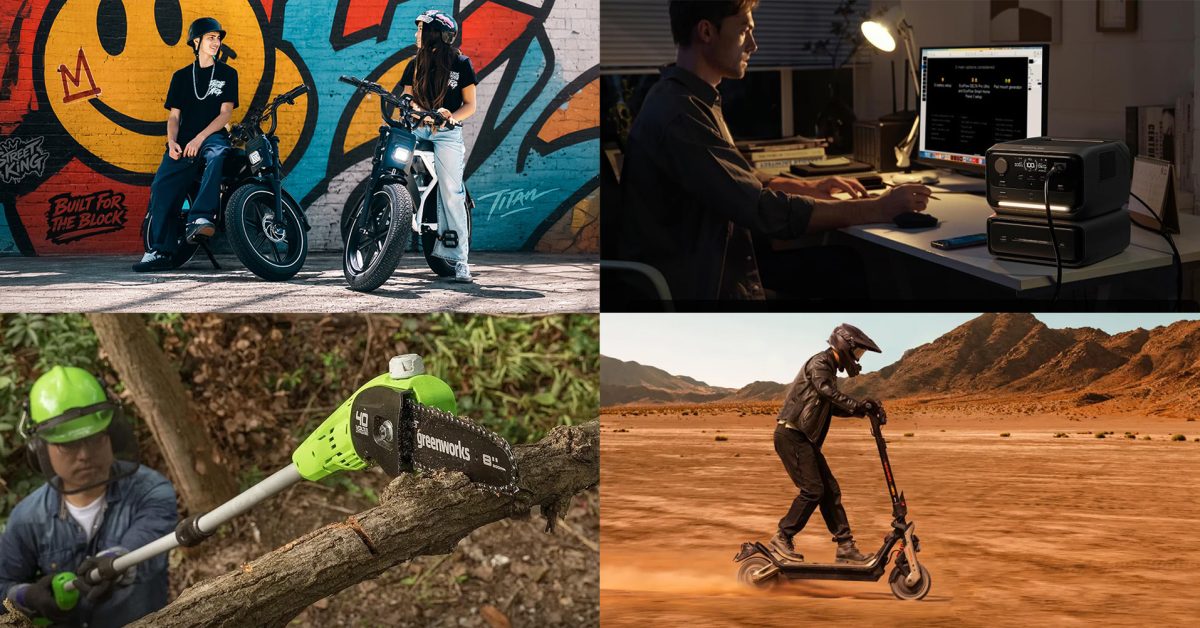
The source article highlights several product categories: a full-suspension electric bike, a portable power station with a 572Wh capacity, electric scooters, and cordless outdoor tools. The specific offers are overseas promotions, so availability, warranty coverage, regulations, and suitability in Malaysia must be checked before you make any decision.
TL;DR
Electric mobility, portable power, and cordless tools are becoming practical options for selected SME tasks. Start with a clearly defined use case, test one workflow, and check safety, local compliance, charging, and after-sales support before expanding.
The most useful lesson is not the advertised deal. It is the move towards flexible equipment that can reduce dependence on fixed power points, petrol-powered tools, and short vehicle trips.
What This Means
The article describes an early-bird launch for the Heybike Titan, a moto-inspired full-suspension e-bike offered with single- and dual-battery configurations. It also features the EcoFlow RIVER 3 Plus portable power station, described as an expanded 572Wh setup with an additional battery, alongside Segway electric mobility products and a Greenworks cordless pole saw. You can review the original product roundup here.
In plain language, these products fall into three useful business categories:
- Electric mobility: E-bikes and scooters can support short-distance movement, inspections, errands, and selected delivery routes.
- Portable electricity: A power station can provide temporary electricity for devices, small equipment, demonstrations, or continuity during short interruptions.
- Cordless equipment: Battery-powered tools can make maintenance work easier where noise, cables, or fuel handling are inconvenient.
These tools do not automatically improve productivity. Their value depends on the workflow around them. You still need charging procedures, responsible users, secure storage, maintenance records, and clear rules for when the equipment should be used.
The right question is not “Is this technology impressive?” It is “Which repeated business task becomes simpler, safer, or more reliable with it?”
How This Applies to Malaysian SMEs
1. Food, retail, and local delivery businesses
If your business serves customers within a compact area, an e-bike may be useful for short errands or selected deliveries. Examples include sending documents between branches, collecting supplies from nearby vendors, moving small orders within a commercial area, or checking several customer locations. However, you should not assume that every e-bike is suitable for public-road use. Check Malaysian requirements, local authority rules, insurance implications, helmet policies, and the product’s technical specifications before assigning staff to ride it.
It is also important to compare the full workflow rather than the vehicle alone. Who charges it? Where is it parked? What happens during heavy rain? How are batteries secured? How does a staff member report a fault? A simple digital form can record trip purpose, rider, battery condition, and maintenance issues. That gives you operational visibility without requiring complex software.
2. Property maintenance, landscaping, and facilities services
The cordless pole saw mentioned in the article may be relevant to nurseries, property managers, schools, resorts, and landscaping companies. Battery-powered tools can be useful for trimming branches and handling maintenance tasks at locations where extension cables are awkward or petrol equipment is unsuitable. The source describes the tool as having an 8-inch cutting bar and reach extending up to 11 feet; verify those specifications with the manufacturer before relying on them for a job here.
For a Malaysian business, tropical weather creates additional considerations. Store batteries away from direct heat and moisture, inspect equipment after rain, and make sure only trained employees operate cutting tools. You should also document personal protective equipment requirements and establish a process for isolating damaged batteries. The goal is not simply quieter equipment; it is a controlled maintenance process with fewer interruptions.
3. Events, mobile teams, and temporary work sites
A portable power station can support a pop-up booth, site inspection, mobile sales team, registration desk, or temporary work area. The article identifies the EcoFlow RIVER 3 Plus expanded setup as a 572Wh configuration here. Capacity alone does not tell you how long it will run your equipment. You need to add the wattage of laptops, routers, lights, payment terminals, fans, and other devices, then account for conversion losses and operating conditions.
Before using a power station for business continuity, list the equipment that truly needs backup. A router and payment terminal may be more important than decorative lighting. Test the setup during normal operations, label the cables, and keep a charging schedule. If your business handles sensitive customer information, confirm that backup connectivity and devices can be managed securely during an outage.
A Simple Decision Framework
| Business need | Potential equipment category | Questions to answer |
|---|---|---|
| Short-distance movement | E-bike or scooter | Is the route safe, legal, weather-suitable, and within the equipment’s practical range? |
| Temporary electricity | Portable power station | What devices must run, for how long, and how will charging be managed? |
| Outdoor maintenance | Cordless tool | Are operators trained, batteries safely stored, and replacement parts available? |
| Multiple locations | Shared equipment pool | Who books, collects, inspects, and returns each item? |
The source article also mentions mobility products with claimed specifications such as a Segway GT3 Pro maximum speed of 50 miles per hour and range of 86 miles. These figures are manufacturer or promotional claims reported by the source, not a guarantee of Malaysian operating suitability here. Treat range and speed figures as comparison information, then verify local rules and real operating conditions.
Practical Takeaways
- Identify one repeated task that involves short-distance travel, temporary power, or outdoor maintenance.
- Write down the current process, including delays, safety concerns, charging needs, and equipment handovers.
- Test the equipment with one trained employee or one small team before broader adoption.
- Check Malaysian road, workplace, electrical, and safety requirements before use.
- Confirm warranty, replacement batteries, servicing, and spare parts are available locally or through a dependable channel.
- Keep a simple equipment register showing the assigned user, condition, charging status, and maintenance date.
- Do not use advertised range, battery capacity, or speed as your only decision criteria.
- Create rules for storage, charging, wet-weather use, damage reporting, and unauthorised borrowing.
- Measure practical results such as completed trips, avoided delays, equipment availability, and maintenance incidents.
How to Run a Small Pilot
Start with a two- to four-week pilot for one use case. Choose a task that happens regularly and has a clear outcome. For example, a facilities team could use a cordless tool for scheduled maintenance across one property, while a retail business could test an e-bike for branch-to-branch document movement.
Record the date, user, task, route or location, battery status, time taken, and any problem encountered. This information can be collected through a shared spreadsheet or a mobile form. At the end of the pilot, ask whether the equipment actually reduced waiting, improved access, or made the task easier. If the answer is unclear, the issue may be the workflow rather than the product.
The Bigger Picture
The longer-term trend is towards smaller, modular tools that can be assigned to specific business processes. Instead of waiting for a major fleet or facilities upgrade, you can add one battery-powered device where it makes operational sense. This approach suits SMEs because it encourages controlled experimentation and avoids changing every part of the business at once.
It also creates a new management responsibility. Battery equipment is shared business infrastructure. If no one owns the charging schedule, inspection routine, and usage policy, reliability will decline. The businesses that benefit most will be those that combine practical equipment with simple digital records and clear accountability.
For Malaysian SMEs, climate, traffic, building layouts, regulations, and service availability matter more than an overseas promotion. Use the article as a signal to review your own operations, not as a reason to buy immediately. Select one problem, test one solution, measure the result, and expand only when the process is dependable.
Ready to Streamline Your Operations?
Your business should run itself. AutoRunBiz deploys AI agents to automate your daily operations — WhatsApp orders, invoicing, customer follow-ups, and accounting. Book a free 15-min ops audit to see where automation fits your business →