
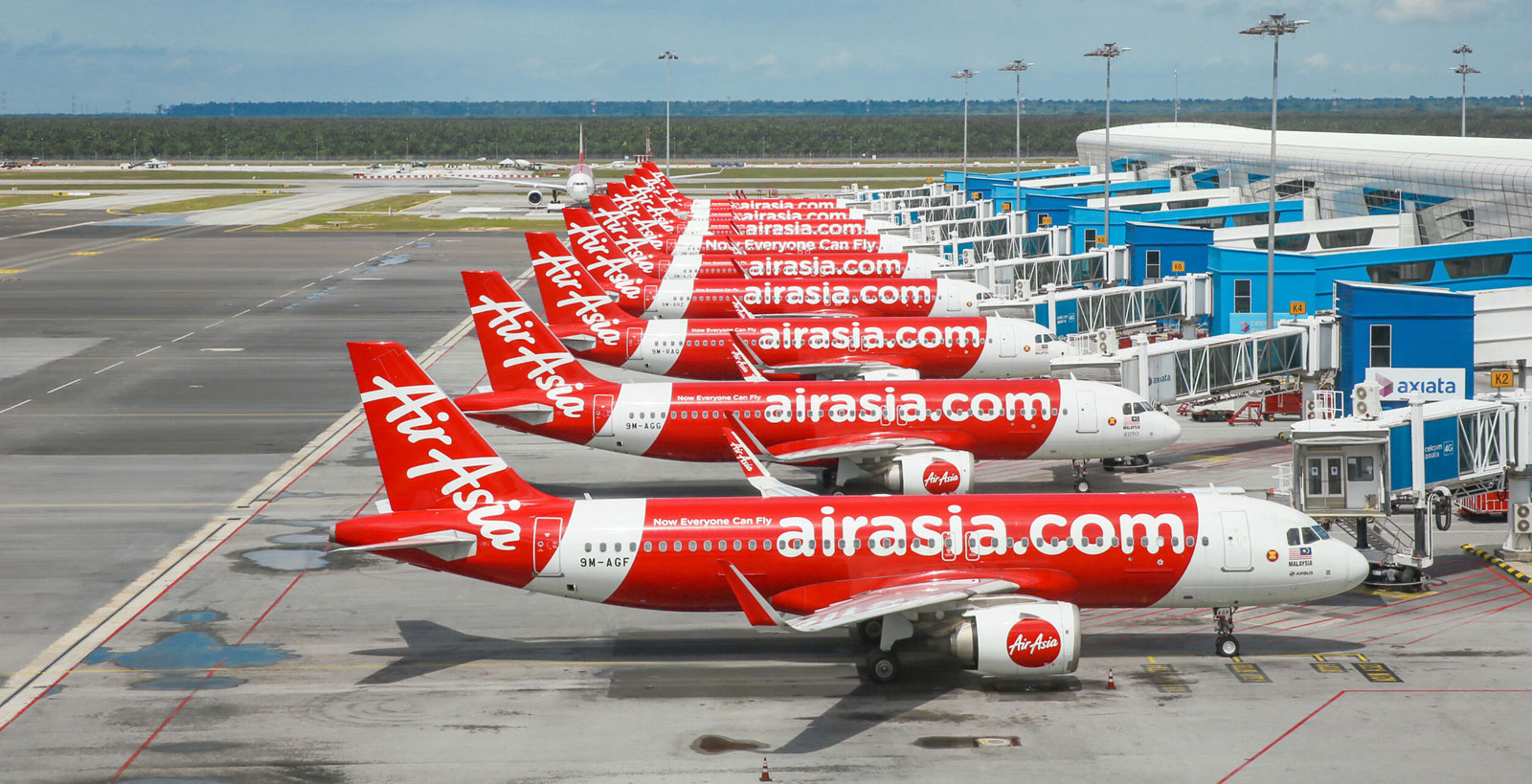
When a Travel Delay Becomes a Business Problem
You may not be the passenger flying during Merdeka celebrations, but your business can still feel the impact. A delayed flight can leave a sales representative stranded, postpone an installation, disrupt a supplier meeting, or keep an employee from returning in time for an important shift.
For a small Malaysian company, one disrupted journey can affect several people at once. Customer appointments may need rescheduling, delivery plans may change, and someone in the office must spend valuable time checking updates and contacting everyone involved. The challenge is not simply getting to KLIA early. It is having a clear process when airport access, flight timing, and staff availability become uncertain.
TL;DR
AirAsia has advised passengers travelling during Merdeka-related airspace closures to arrive early and allow extra time for airport procedures. Read the full advisory on SoyaCincau.
If your staff travel for work, create a simple travel-response checklist, collect live status updates in one place, and prepare remote alternatives before disruption occurs.
What This Means
Airspace restrictions are temporary controls on aircraft movement, usually introduced for events such as national celebrations, official ceremonies, or aerial displays. When these restrictions affect an airport’s operating schedule, flights may depart later, arrive later, or experience changes to their normal boarding and movement arrangements.
The advisory highlighted airspace closures around Merdeka celebrations and reminded passengers to plan for additional time at the airport. AirAsia also advised travellers to arrive early because road traffic, airport congestion, check-in, security screening, and boarding queues can all take longer during busy periods. The specific schedule and operational instructions should be checked directly with the airline before travelling; the original advisory is available from SoyaCincau.
For you as a business owner, the important idea is broader: travel disruption is an operations issue, not only a travel issue. Your team needs a repeatable way to respond when a journey no longer matches the original plan.
When a staff trip is business-critical, the safest plan is not “hope the flight is on time”; it is “know what happens if the flight is not on time.”
How This Applies to Malaysian SMEs
If you run a sales, consulting, training, or service business, you may have employees travelling between Kuala Lumpur, Penang, Johor Bahru, Kota Kinabalu, Kuching, or other locations. A flight delay can affect a customer presentation, site inspection, product demonstration, or contract discussion. Instead of waiting for an employee to message several people individually, you can use a shared travel record containing the flight number, customer contact, appointment time, hotel details, and backup contact person.
For businesses that install equipment or provide on-site support, travel planning is even more important. One technician’s delay may affect a customer’s production schedule or leave another technician without the tools and information needed to take over. Before the trip, store the job scope, customer address, access instructions, equipment list, and relevant photos in a shared workspace. If the original technician cannot arrive, another team member can review the information without depending on a long chain of phone calls.
Travel disruption also affects small teams attending exhibitions, conferences, training programmes, and supplier meetings. You may have only two or three people representing the company, so losing one person can reduce your ability to manage the booth, meet visitors, or handle follow-up. Assign clear roles before departure. One person can manage customer conversations, another can handle materials and logistics, while someone at the office monitors schedule changes and communicates with attendees.
Retailers, wholesalers, and import-related businesses should consider the effect on supplier visits and procurement discussions. If an employee cannot reach a meeting, ask whether the agenda can move online, whether documents can be reviewed remotely, or whether a local representative can attend instead. A short preparation call with the supplier can prevent the meeting from being cancelled completely.
Finally, remember that airport disruption can affect employee welfare. Staff may face long queues, road congestion, or uncertainty about boarding. A clear company instruction to check the airline’s official channels, arrive early, and inform a named contact reduces stress and prevents inconsistent decisions. You do not need a complicated travel management platform to begin. A shared form, spreadsheet, or team chat channel can be enough if everyone knows how to use it.
A Simple Travel-Response Framework
| Situation | Action for the traveller | Action for the office |
|---|---|---|
| Normal flight with busy airport conditions | Arrive earlier than your usual routine and complete check-in promptly | Record the planned departure, meeting time, and customer contact |
| Flight timing changes | Check the airline’s official update and notify the assigned contact | Review the appointment and decide whether to reschedule or move online |
| Traveller may miss the meeting | Send a short status update with the latest expected arrival | Activate the backup owner and inform the customer before the meeting time |
| Traveller cannot complete the trip | Keep receipts, records, and communication details together | Transfer documents, tasks, and customer communication to another team member |
The table is a starting point, not a fixed airline timetable. Actual flight arrangements can change, so always verify the latest information through the airline and airport channels. The Merdeka travel advisory and its recommended early-arrival guidance are reported by SoyaCincau.
Practical Takeaways
- Create one travel record: Include the traveller’s name, airline, flight number, destination, appointment, customer contact, and backup owner.
- Set a notification rule: Ask travelling staff to notify the office as soon as an airline update may affect a work commitment.
- Prepare a remote option: Keep meeting links, presentation files, product information, and customer notes ready before departure.
- Assign a backup person: Do not make one employee the only person who understands the customer or job.
- Use a clear escalation point: Name one person who decides whether to reschedule, delegate, or continue remotely.
- Keep documents accessible: Store essential files in a shared, permission-controlled folder rather than on one person’s device.
- Send customers early updates: A prompt and honest message gives the customer more room to adjust their own schedule.
- Review the process afterwards: Note where information was missing, who had to chase updates, and what should change before the next busy travel period.
Making the Process Easier with Automation
Once your travel volume grows, manual updates can become difficult to track. A lightweight workflow can collect trip details through a form, save them in a central record, and send reminders to the traveller and office contact. If a staff member marks a trip as delayed, the workflow can notify the backup owner and create a follow-up task for the customer communication.
You can also connect travel planning to your existing customer or project workflow. For example, a customer appointment can include the traveller, meeting location, documents required, and backup contact. If the flight status changes, the responsible manager can see which customer commitments may be affected instead of searching through separate chat messages.
Automation should support your team’s judgement, not replace it. The most useful setup is usually simple: one intake form, one shared record, a few reminders, and a clear escalation process. Start with the trips that carry the greatest operational risk, such as site installations, important customer meetings, or time-sensitive supplier visits.
The Bigger Picture
Airspace closures are temporary, but the underlying business lesson lasts. Small companies increasingly depend on employees moving between cities, meeting customers across regions, and coordinating work through digital channels. Weather, public events, airport congestion, transport interruptions, and schedule changes can all expose gaps in your operating process.
The strongest response is not to eliminate every possible disruption. That is unrealistic. Instead, build a business that can continue when one person is delayed, one meeting moves online, or one schedule changes at short notice.
For your next travel period, ask three questions: Who needs to know? What work must continue? and Where are the documents and decisions recorded? If your team can answer those questions quickly, an airport advisory is less likely to become a customer-service failure.
The Merdeka travel guidance is a useful reminder to check airline instructions early, plan extra airport time, and communicate clearly. For Malaysian SMEs, that same discipline can become a practical operating habit: prepare before disruption, centralise information, and give every important customer commitment a backup plan.
Ready to Streamline Your Operations?
Your business should run itself. AutoRunBiz deploys AI agents to automate your daily operations — WhatsApp orders, invoicing, customer follow-ups, and accounting. Book a free 15-min ops audit to see where automation fits your business →