
Las Vegas’ Robotaxi Race Is a Business Signal for Malaysia
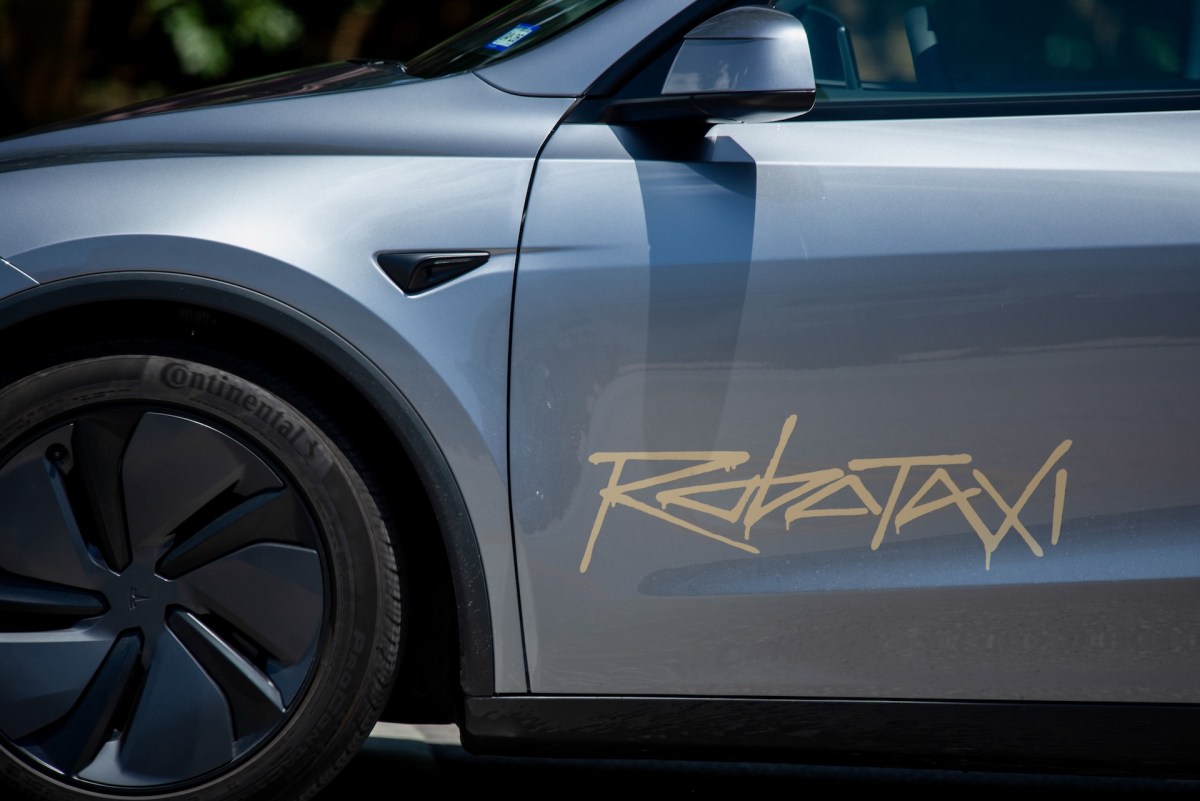
Imagine a visitor arriving at an airport, booking a ride through an app, and travelling across a busy city without a human driver behind the wheel. That scenario is becoming more realistic after Nevada approved permits allowing Tesla, Uber and Waymo to operate thousands of robotaxis in Clark County, which includes Las Vegas. According to TechCrunch, the three permits could support up to 8,000 autonomous vehicles over the next 12 months.
For a Malaysian SME owner, this is not only a transport story. It is a preview of how automation can reshape customer service, delivery, staffing, partnerships and daily operations. You may not be running an autonomous vehicle company, but your business could soon interact with more automated transport platforms, smarter logistics providers and AI-enabled marketplaces.
The important question is not whether you should buy a robotaxi. It is whether your business is ready for a market where routine tasks are increasingly handled by software, sensors and connected machines.
What Happened
The Nevada Transportation Authority unanimously approved permits for Tesla, Uber and Waymo to operate commercial robotaxi services in Clark County. Tesla received permission for up to 5,000 vehicles, while Waymo and Uber each received approval for up to 1,000 autonomous vehicles, based on the details reported by TechCrunch.
Uber’s approved vehicles will operate through partnerships involving Hyundai subsidiary Motional and Zoox. Zoox already holds a separate permit allowing it to operate 100 robotaxis, according to the same TechCrunch report. The result is a competitive testing ground in Las Vegas, where several autonomous transport operators could serve the same passengers.
However, approval does not mean every vehicle will immediately appear on the road. Tesla’s Cybercab chief engineer told the authority that the company was unlikely to deploy all 5,000 permitted vehicles within a year and would be satisfied with approximately 2,500 or slightly more, as reported by TechCrunch.
The debate also involves employment and market structure. Local taxi and livery representatives raised concerns about oversaturation and road congestion. Uber promoted a hybrid model that combines human drivers with autonomous vehicles, allowing transport networks to add automated capacity gradually instead of replacing every driver at once, according to TechCrunch.
Why This Matters for Malaysian SMEs
Malaysia has different regulations, road conditions and transport patterns, but the underlying business lesson is highly relevant: automation usually arrives first through partnerships and platforms. A Malaysian hotel may not own autonomous vehicles, yet it may use a booking platform that coordinates automated transport. A restaurant may not build delivery robots, but it could receive orders through a logistics network that uses route optimisation, automated dispatching and driver-assistance systems.
Think about practical local use cases. A hotel in Kuala Lumpur, Penang or Johor could connect guests to airport transfer services through a digital concierge. A medical clinic could use automated scheduling and transport coordination for follow-up appointments. A furniture retailer could use software to assign delivery slots, group nearby destinations and update customers automatically. A property-management company could deploy connected systems for access, maintenance alerts and visitor handling.
These changes affect your customer expectations even if your own business remains fully human-operated. Customers increasingly expect accurate arrival updates, quick responses, digital receipts and fewer manual steps. If a competitor provides a smoother automated experience, customers may compare your business with that standard.
There is also a workforce lesson. The Nevada debate suggests that automation does not simply remove work; it can shift work into new categories such as monitoring, cleaning, maintenance, scheduling, customer support and exception handling. For a Malaysian SME, this means you should examine which roles involve repetitive coordination and prepare your team for higher-value responsibilities.
| Robotaxi development | Possible SME lesson |
|---|---|
| Thousands of vehicles may be approved, but deployment can be gradual | Test automation in stages rather than changing everything at once |
| Uber supports a hybrid human-and-autonomous model | Combine software with staff oversight where reliability matters |
| Several operators compete for the same riders | Differentiate through service quality, response time and trust |
| New operational roles may emerge | Train employees to supervise systems and handle exceptions |
What You Can Do Before Automation Becomes Normal
Start by mapping your repetitive workflows. List every task involving copying information, assigning jobs, checking status, sending reminders or answering the same questions. Examples include confirming appointments, preparing quotations, updating delivery records, following up on unpaid invoices and producing daily reports.
Next, identify where human judgement is genuinely necessary. A customer complaint, damaged delivery or unusual supplier issue may still require an experienced employee. Routine updates, reminders and data entry can often be handled by automation, leaving your team more time for sales, relationship building and problem-solving.
You should also organise your business data. Automation works best when customer names, contact details, product information, service schedules and transaction records are stored consistently. If every employee keeps separate spreadsheets or chat messages, connecting your operations to future platforms will be difficult.
Finally, establish a human fallback. The hybrid approach discussed by Uber is useful beyond transport. Your customers should know how to reach a real person when an automated process fails. Make escalation rules clear, record important interactions and review system outputs regularly.
The practical lesson is simple: do not wait for a fully automated future. Build a business that can combine reliable software with informed human oversight.
The Bigger Picture
The Nevada decision shows how automation is moving from controlled demonstrations towards regulated commercial services. It also shows that approval, deployment and public acceptance are separate stages. A technology may be legally permitted, technically capable and still require time to scale safely and win customer trust.
That pattern applies to Malaysian SMEs. New AI tools, automated delivery services, digital payment systems and connected equipment may become available before your industry has settled on best practices. You do not need to adopt every new tool immediately. You do need a process for evaluating them.
Ask four questions before introducing any automation: What customer problem does this solve? What data will it use? Who checks the result? What happens when it is wrong? These questions help you avoid adopting technology simply because it is popular.
Robotaxis may take time to become common in Malaysia, but the wider direction is already clear. Businesses are becoming more connected, more responsive and more dependent on digital workflows. If you improve your processes now, your SME will be in a stronger position when new transport, AI and automation services reach your market.
Ready to Streamline Your Operations?
Technology moves fast. Your operations should keep up. AutoRunBiz builds AI systems that run your daily workflows — from WhatsApp order capture to accounting. Book a free 15-min ops audit →