
When a Business Suddenly Stops, Customers Pay the Price
If your business takes deposits for weddings, renovations, events, training, repairs, or made-to-order products, your customers are trusting you with more than a payment. They are trusting you to keep a promise months after the sale.
That promise becomes difficult to manage when bookings, deposits, supplier work, staff responsibilities, and customer communication are scattered across spreadsheets, WhatsApp chats, paper files, and personal bank records. If the owner becomes unavailable or operations slow down, nobody may have a complete view of what has been sold, what has been delivered, and what remains outstanding.
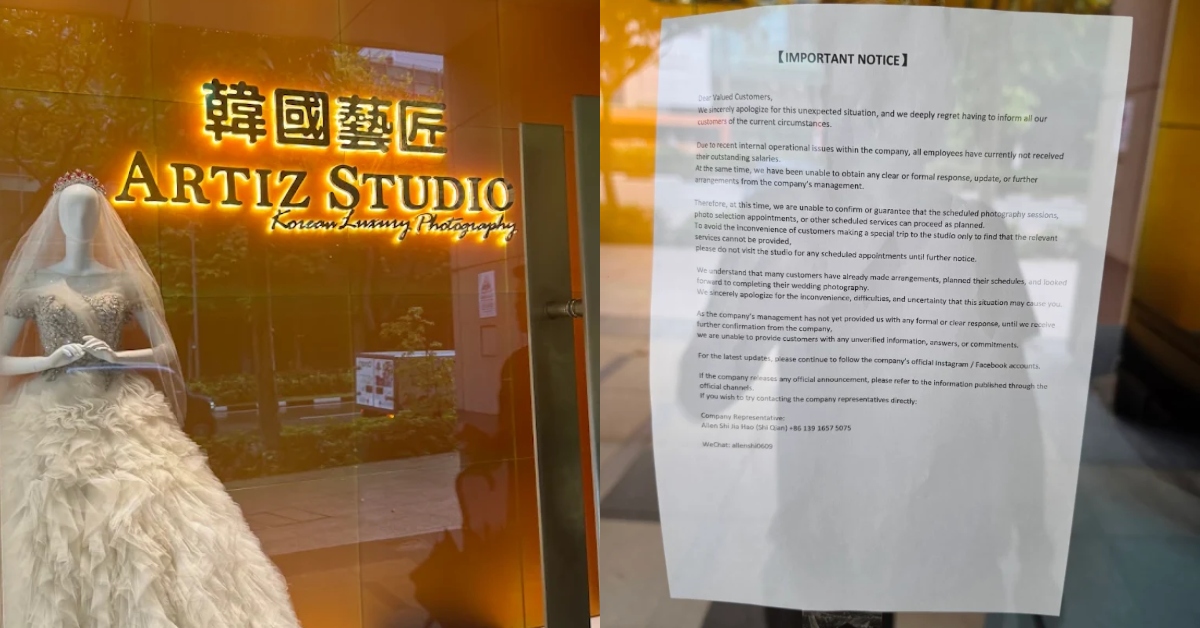
A recent case involving Korea Artiz Studio in Singapore shows how quickly uncertainty can spread. According to Vulcan Post, the studio appeared to cease operations, while customers reported uncertainty over scheduled photography sessions, photo selection appointments, completed images, and refunds.
TL;DR
Customer deposits create an obligation that must be tracked from booking to final delivery. A simple operations system can help you see every open job, deadline, payment, supplier dependency, and customer conversation before a disruption becomes a crisis.
For a Malaysian SME, the practical lesson is clear: make your customer commitments visible, documented, and transferable.
What This Means
The issue is not limited to bridal studios. It applies to any business where customers pay before the work is fully completed. Examples include photographers, renovation contractors, tuition centres, caterers, travel agencies, event planners, furniture makers, wedding vendors, and software service providers.
In these businesses, a sale is not finished when the customer pays. The real process usually includes several stages:
- Enquiry and quotation
- Booking confirmation and deposit collection
- Appointment or project scheduling
- Work by your team or external suppliers
- Customer approval or selection
- Production, delivery, installation, or final service
- Balance collection and record closure
If these stages are not connected, you may know that a customer paid but not know whether the work was assigned, whether a supplier has the customer’s materials, or whether a deadline has been missed.
The Singapore case reportedly involved 66 complaints and more than S$271,000 in prepayment losses, based on information quoted from Singapore’s Consumers Association. You can read the original report and its cited figures at Vulcan Post. The exact facts of any business dispute should be handled by the relevant authorities, but the operational warning is useful: when information is fragmented, customers experience silence as a broken promise.
Your business should be able to answer three questions at any time: What has the customer paid for? What has been delivered? What happens next?
How This Applies to Malaysian SMEs
For wedding and event businesses, the customer journey may stretch over many months. A couple may book a venue, photography package, album, makeup service, attire, and additional editing at different times. Your team needs one reliable record showing the agreed package, appointment dates, image-selection status, album status, supplier assignment, and outstanding action. If the information exists only in a salesperson’s phone, another employee may not know what to do when that person is absent.
For renovation and interior businesses, deposits often relate to several stages rather than one final delivery. You may need to coordinate measurements, drawings, material orders, subcontractors, installation dates, defect checks, and handover. A central job tracker can show which projects are waiting for customer approval, which materials have arrived, and which sites require follow-up. This helps you identify delayed work before the customer has to chase you.
For tuition centres, training providers, and membership businesses, the obligation may be access to classes, sessions, assessments, certificates, or support. A proper record should show the learner’s programme, attendance, rescheduled sessions, trainer, promised deliverables, and communication history. If a teacher leaves or a branch changes its operating schedule, your team can continue serving the customer without searching through multiple chat groups.
For custom-product sellers, such as furniture makers, printers, gift suppliers, and uniform vendors, the risk often sits between order confirmation and production. You need to know whether artwork was approved, materials were ordered, production started, quality checks were completed, and delivery was arranged. A customer-facing status update is much easier when these steps are recorded consistently.
For Malaysian SMEs with one to 50 employees, this does not mean you need a complex enterprise platform. It means you need a dependable workflow that your staff can follow. The system should reduce dependence on memory and make handovers possible.
A Simple Commitment Tracking Model
| Business record | What to capture | Why it matters |
|---|---|---|
| Customer | Name, contact details, company or event details | Prevents incorrect or incomplete communication |
| Agreement | Package, scope, exclusions, dates, approvals | Creates a clear reference for promised work |
| Payment | Amount received, date, receipt, remaining balance | Shows the status of the customer commitment |
| Delivery | Milestones, owner, due date, completion status | Highlights overdue work early |
| Supplier or partner | Assigned work, materials held, expected return date | Reduces loss of visibility outside your office |
| Communication | Questions, complaints, decisions, next update | Creates a dependable history for follow-up |
Every field in this table represents information your team may need during a customer call. If staff must search across several apps to find it, the process is vulnerable.
Practical Takeaways
- Create one record for every customer booking, project, or prepaid service.
- Record the agreed scope, delivery date, exclusions, and approval requirements in writing.
- Use clear statuses such as New, Confirmed, In Progress, Waiting for Customer, With Supplier, Ready for Delivery, Completed, and Escalated.
- Assign one person to every open task, even when several employees are involved.
- Set reminders for appointments, approvals, supplier returns, and promised customer updates.
- Keep copies of contracts, invoices, receipts, artwork, signed approvals, and delivery evidence in the customer record.
- Do not rely on one employee’s personal WhatsApp account as the only source of customer history.
- Review all open customer commitments at least once a week.
- Prepare a written business continuity procedure covering staff absence, supplier failure, system access, and customer notifications.
- Give customers a clear escalation channel if the usual contact person is unavailable.
What You Can Check This Week
- List every customer who has paid but has not received the complete service.
- Mark the next action and deadline for each customer.
- Identify every external supplier currently holding customer materials or information.
- Check whether another authorised employee can access the relevant records.
- Send an update to customers whose work is delayed rather than waiting for them to complain.
The Bigger Picture
Customers are becoming more careful about paying for services that will be delivered later. Businesses that provide written confirmations, visible progress updates, and organised records will be easier to trust. This is especially important for SMEs because your reputation often travels through reviews, referrals, community groups, and social media.
Operational continuity is also becoming a management responsibility, not just an administrative task. An owner may be dealing with illness, staff turnover, supplier disruption, a branch move, or a sudden drop in enquiries. Without documented processes, even a business with strong demand can struggle to fulfil existing commitments.
The goal is not to create paperwork for its own sake. The goal is to ensure that your team can continue the customer journey even when one person is unavailable. Automation can help by connecting enquiries, bookings, reminders, documents, tasks, and service updates in one workflow. It can also produce a list of overdue commitments before they become public complaints.
The case reported in Singapore is a reminder for Malaysian SME owners: sales records alone are not enough. You need a complete view of the promise made to each customer and the work required to keep it. Start with your current customer commitments, organise them into a shared process, and make follow-up impossible to miss.
That practical discipline protects your customers, supports your employees, and gives you a clearer view of the business you are responsible for running.
Ready to Streamline Your Operations?
Your business should run itself. AutoRunBiz deploys AI agents to automate your daily operations — WhatsApp orders, invoicing, customer follow-ups, and accounting. Book a free 15-min ops audit to see where automation fits your business →