
When Every Minute on the Road Affects Your Business
If you run a delivery team, mobile service crew, sales operation, or small retail business, driving is not just a transport task. It is part of your customer experience. A late technician, missed appointment, or driver who misses an important turn can create follow-up work for you and frustration for your customer.
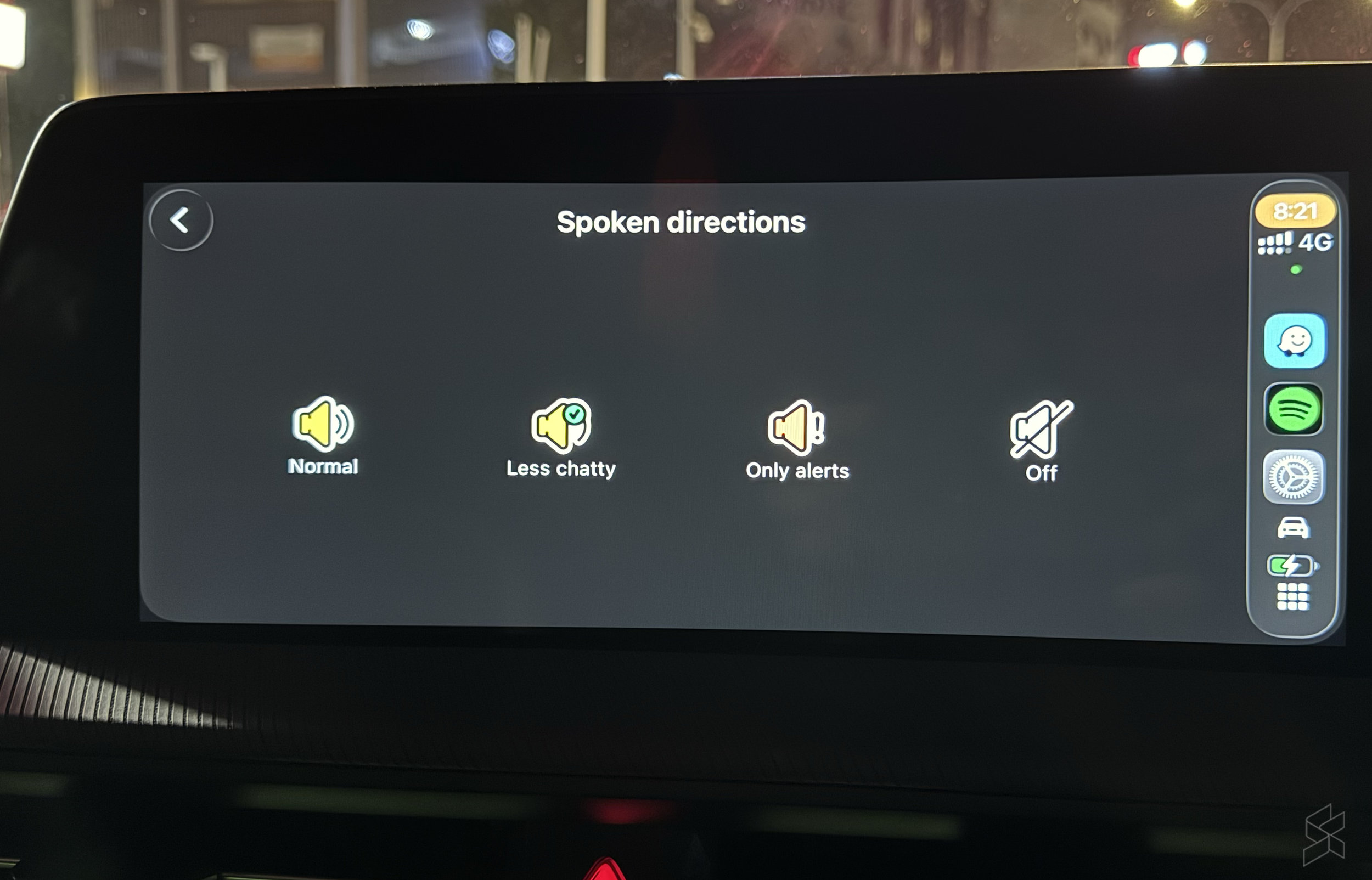
Navigation apps help, but constant voice instructions can also become distracting. Your drivers may already be dealing with traffic, motorcycles, unfamiliar roads, customer calls, and loading or unloading tasks. Waze’s new “Less Chatty” mode, now available in Malaysia, addresses this everyday problem by reducing the amount of spoken guidance while keeping important directions available. Source
TL;DR: Less Chatty mode is designed to make navigation guidance quieter without removing the directions that matter. For Malaysian SMEs, it may help drivers stay focused, reduce unnecessary interruptions, and create a clearer process for regular delivery and service routes.
What This Means
Most navigation apps provide frequent voice prompts. They may tell you about an upcoming turn, repeat the route, announce changes, or provide other driving information. That detail can be useful when you are travelling somewhere unfamiliar, but it is not always necessary when you know the route or are driving through a busy area.
Waze’s Less Chatty mode offers a quieter navigation experience. The basic idea is simple: you still receive key route instructions, but the app reduces less important spoken announcements. This gives the driver more space to concentrate on the road and the work at hand.
For a business owner, the important point is not the feature itself. The important point is the operating principle behind it: your tools should provide the right information at the right time, rather than creating constant noise. This applies to navigation, messaging, customer updates, task notifications, and internal communication.
Good business automation does not mean sending more alerts. It means helping your team notice the information that requires action.
Waze announced that the Less Chatty mode is available in Malaysia through its latest feature update. Source You should still check the app’s current settings on each device, because the exact location of the option may vary depending on the app version and phone platform.
How This Applies to Malaysian SMEs
1. Delivery businesses can reduce distractions during active routes. If you manage a bakery delivery service, flower business, pharmacy delivery operation, or small online shop, your driver may complete several stops in one shift. Repeated announcements can become irritating, especially when the driver already knows the neighbourhood. Less Chatty mode can keep essential turns available while reducing unnecessary spoken instructions between stops.
This is particularly useful in areas where drivers face frequent junctions, narrow roads, motorcycles, and changing traffic conditions. Klang Valley routes, Penang town roads, Johor Bahru commercial areas, and busy city-centre streets demand attention. A quieter navigation setting may make it easier for drivers to hear traffic, communicate with passengers, or notice instructions from a site supervisor.
2. Mobile service teams can make navigation part of a clearer job process. Air-conditioning technicians, plumbers, pest-control workers, renovation teams, appliance repair businesses, and cleaning crews often travel directly from one customer location to another. Their job does not end when they reach the address. They need to confirm the work order, find parking, contact the customer, unload equipment, and complete a service checklist.
You can combine quieter navigation with a simple operating procedure. Before leaving, the team member confirms the customer address and appointment window. While driving, the navigation app provides the route. After arriving, the worker switches to the job checklist and customer communication process. This separation helps prevent navigation prompts, chat messages, and task updates from competing for attention at the same time.
3. Sales teams can use quieter routes without losing essential guidance. A salesperson visiting several shops, restaurants, clinics, or offices may already know major roads but still need help with the final destination. Less Chatty mode can be suitable for familiar territories, where constant instructions are less useful but the driver still wants warnings about the next important turn or route change.
You can also use this as a reminder to separate driving from administrative work. Ask staff to update visit notes only after parking safely. Do not expect them to reply to customer messages while moving. A navigation setting can support safer attention, but it cannot replace clear workplace rules about phone use.
4. Small business owners can standardise settings across field teams. If every driver uses a different navigation approach, one person may receive too many alerts while another misses a key instruction. Create a short setup guide for your team. It can explain when to use normal voice guidance, when Less Chatty mode is suitable, how to check the route before departure, and what to do when the address appears incorrect.
Keep the guide practical. Include examples such as “use full guidance for an unfamiliar area” and “use quieter guidance for repeated local routes.” Do not assume that a new employee knows how to configure navigation safely. A five-minute briefing can prevent repeated confusion during busy periods.
A Simple Use-Case Table
| Business situation | Recommended approach | Why it helps |
|---|---|---|
| First visit to a new customer area | Use standard voice guidance | More detailed prompts can support unfamiliar turns |
| Repeated delivery route | Consider Less Chatty mode | Reduces repeated instructions during familiar travel |
| Busy city-centre driving | Use quieter prompts and review the route before leaving | Leaves more attention for traffic and road conditions |
| Technician travelling between jobs | Use navigation while driving and update job records when parked | Keeps route guidance separate from work administration |
| Driver unsure about a final turn | Return to fuller guidance or stop safely to check | Prevents a quiet setting from causing missed directions |
Practical Takeaways
- Test the setting first. Try Less Chatty mode on a familiar route before asking your whole team to use it.
- Match the setting to the route. Familiar local trips may need fewer spoken prompts, while new areas may require fuller guidance.
- Review routes before departure. Check the destination, expected route, major stops, and customer access details while parked.
- Do not rely on voice guidance alone. Drivers should still watch the road, follow legal signs, and make safe decisions when app instructions conflict with actual conditions.
- Create a one-page team guide. Explain when to use normal guidance, when to use Less Chatty mode, and when to stop safely and check the route.
- Separate driving from updates. Customer messages, delivery status changes, and job notes should be handled when the vehicle is safely parked.
- Measure operational results. Track missed addresses, late arrivals, repeated customer calls, and route-related mistakes over a short review period.
- Ask drivers for feedback. They can tell you whether the quieter setting improves concentration or whether certain routes need more guidance.
Waze’s announcement specifically concerns the availability of Less Chatty mode in Malaysia. Source The feature should be treated as a practical aid, not a complete fleet-management system. It will not replace proper scheduling, address verification, customer communication, vehicle checks, or driver training.
The Bigger Picture
The broader lesson is that small businesses need to manage information carefully. Your team may use navigation apps, messaging platforms, online forms, accounting tools, customer relationship systems, and delivery applications. Each tool can be useful on its own, but too many alerts can make work harder when they arrive at the same time.
For an SME with a small team, this matters because one distracted employee can affect several customers in a single day. A driver who misses a turn may arrive late. A technician who cannot hear a customer’s access instruction may need to call again. A salesperson who is interrupted repeatedly may lose focus before an important meeting.
Start by reviewing the alerts your business sends. Which notifications require immediate action? Which can wait until the next scheduled check? Which are duplicates? You can then create simple rules: urgent delivery changes are highlighted, routine updates are grouped, and administrative tasks are handled at suitable times.
The arrival of Less Chatty mode in Malaysia is a small but useful example of this approach. Technology should fit the way your team works, not force your team to respond to every possible notification. When you reduce unnecessary interruptions while preserving critical information, you give employees a clearer working environment.
For your business, the next step is straightforward: test the setting on a few real routes, ask drivers whether it helps, and include the result in your standard operating procedure. A quieter navigation experience will not solve every delivery or service problem, but it can support a more focused, consistent process on the road.
Ready to Streamline Your Operations?
Your business should run itself. AutoRunBiz deploys AI agents to automate your daily operations — WhatsApp orders, invoicing, customer follow-ups, and accounting. Book a free 15-min ops audit to see where automation fits your business →