
Why Malaysian SME Owners Should Pay Attention
You do not need to run a technology startup to feel the effects of artificial intelligence, automation, digital payments, and smarter business systems. These developments are already influencing how customers discover businesses, how teams handle enquiries, how companies manage operations, and how competitors improve their service.
The challenge is deciding which trends deserve your attention. You may not have time to follow every startup announcement or attend every business event. You need practical signals: which technologies are becoming useful, what other businesses are implementing, and where a small company can prepare before customer expectations move further ahead.
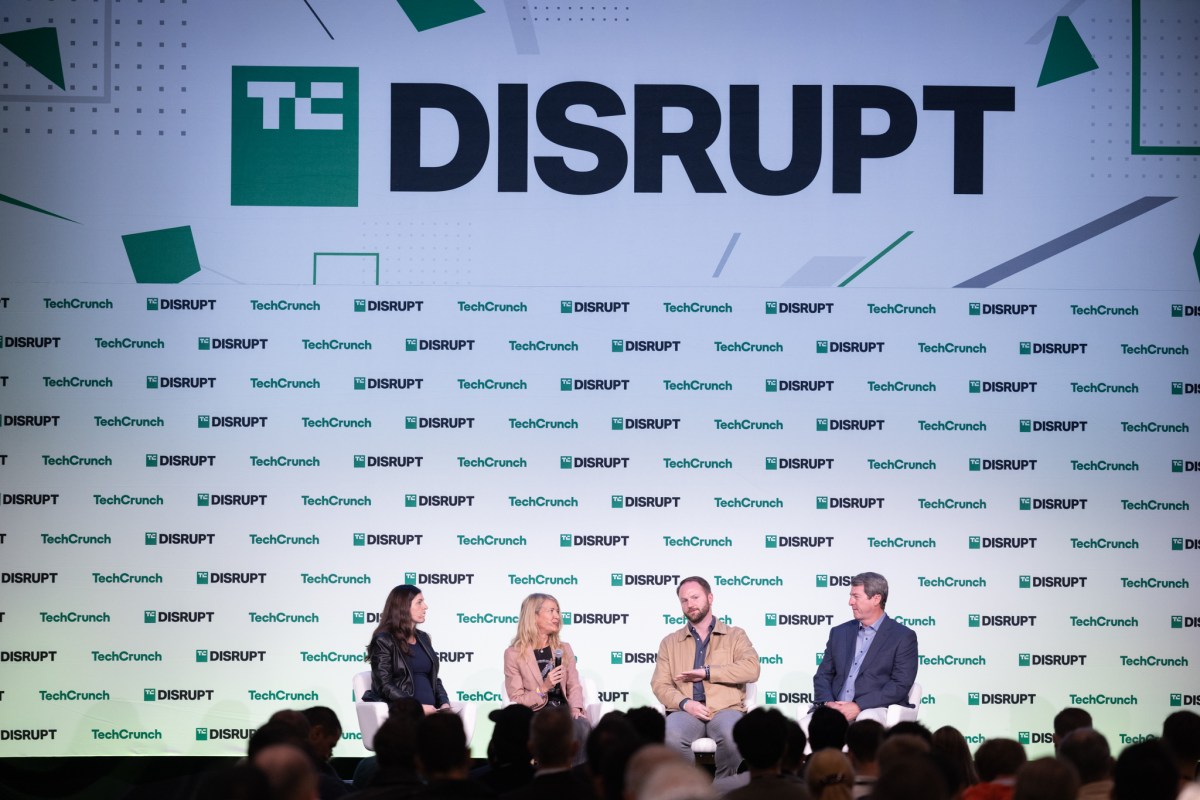
TechCrunch Disrupt 2026 is one example of an event built around those conversations. It will take place from October 13 to 15 at Moscone West in San Francisco, with programming focused on startups, artificial intelligence, infrastructure, finance, and company building. The event says it expects more than 10,000 founders, investors, and startup community members. Source: TechCrunch
TL;DR
For a Malaysian SME, the useful lesson is not simply whether you should attend a foreign startup event. It is whether you have a clear way to monitor and apply technology trends that affect your daily operations.
Focus on practical areas such as customer response, workflow automation, data handling, payments, hiring, and reporting. Attend events or follow industry coverage only when you can connect the learning to a specific business problem.
What This Means
TechCrunch Disrupt is a large startup and technology gathering where founders, investors, operators, and technology companies discuss new products, business models, and emerging tools. The 2026 programme includes a Real World AI Stage, Smart Money Stage, and Smart Systems Stage, alongside returning stages focused on startups, AI, and builders. Source: TechCrunch
In plain language, these themes cover three questions that matter to you:
- How can technology handle more real business work? This includes robotics, manufacturing systems, healthcare applications, and other tools that operate beyond a simple chatbot.
- How are transactions and financial services changing? This includes digital payments, embedded finance, fintech, and systems that place financial features inside other business software.
- What infrastructure supports modern software? This includes computing capacity, networks, energy, chips, data, and systems that keep digital services running.
You do not have to understand every technical detail. Your role as an SME owner is to identify whether a development can reduce delays, improve customer experience, provide better information, or remove repetitive work from your team.
The practical value of a technology trend is measured by the business problem it helps you solve, not by how impressive the product demonstration looks.
How This Applies to Malaysian SMEs
1. Improve customer response without adding more manual work. If your business receives enquiries through WhatsApp, Facebook, Instagram, email, and your website, your staff may spend too much time copying information between channels. Automation can help capture enquiries, assign them to the right person, send approved replies, and remind your team when a follow-up is overdue. For example, a renovation company can record a customer’s location, property type, preferred appointment time, and service request in one shared system instead of relying on scattered chat messages.
This does not mean every conversation should be handled by a machine. A better approach is to automate repetitive steps while keeping human involvement for complicated questions, complaints, quotations, and important decisions. The startup conversation around AI can help you ask a useful question: which parts of your customer journey require judgement, and which parts are repeated often enough to standardise?
2. Turn operational information into timely decisions. Many Malaysian SMEs already collect information but do not use it consistently. You may have sales records, stock updates, appointment details, employee schedules, supplier information, and customer histories in separate files. A connected workflow can make this information easier to review. A café could monitor ingredient usage and reorder points. A training provider could track registrations, attendance, certificates, and follow-up messages. A wholesaler could see which orders are waiting for confirmation or delivery.
The Smart Systems theme is relevant here because reliable operations depend on more than a visible app. You also need clean data, clear user permissions, stable processes, and a consistent way to update records. TechCrunch describes its Smart Systems Stage as covering chips, computing, energy, networking, and data centres. For your SME, the practical translation is simple: digital tools are only useful when the information behind them is accurate and available when needed.
3. Prepare for changing payment and finance workflows. The event’s Smart Money Stage covers fintech, stablecoins, payments, embedded finance, and AI-driven financial services. Source: TechCrunch You may not need every new financial product, but you should watch how customers and business partners prefer to transact. Digital payment confirmations, automatic reconciliation, payment reminders, and customer account portals can reduce administrative effort.
For a service company, a connected workflow could move an approved quotation into an invoice request, notify the assigned team, and update the customer record after confirmation. For a distributor, order status and payment status can be visible to the relevant staff without asking one person to search through messages. Before adopting any financial tool, check data protection, user access, reconciliation processes, and whether it fits your existing accounting workflow.
4. Build a better process for testing new tools. Startup events often showcase many ideas at once. That can create excitement but also confusion. You can avoid random adoption by choosing one operational problem, defining the desired result, and running a small test with a limited group of users. A 10-person services firm might begin with enquiry tracking. A 30-person retailer might begin with stock alerts. A small manufacturer might begin with production checklists and maintenance reminders.
Document what happens before and after the test. Measure response time, missed follow-ups, incomplete records, processing delays, or the number of manual steps. This gives you a more reliable basis for deciding whether a tool is worth expanding.
A Simple Trend-to-Action Framework
| Technology theme | SME question | Possible first application |
|---|---|---|
| Artificial intelligence | Which repeated task consumes staff attention? | Drafting replies, categorising enquiries, summarising records |
| Smart systems | Where is information delayed or duplicated? | Central customer records, stock updates, workflow dashboards |
| Digital payments | Which transaction steps require manual checking? | Payment notifications, reconciliation queues, status updates |
| Networking and data | Who needs access to which information? | Role-based access, shared records, activity tracking |
| Startup innovation | Which customer expectation may change next? | Faster replies, self-service updates, online booking |
Practical Takeaways
- Choose one business problem first. Do not begin with a technology label. Begin with a delay, error, repeated task, or missed opportunity.
- Map the current process. Write down who receives information, who acts on it, where it is recorded, and where work commonly stops.
- Separate automation from judgement. Automate routine collection, routing, reminders, and status updates. Keep people responsible for exceptions and sensitive decisions.
- Clean your data before connecting systems. Duplicate customer records, inconsistent names, and missing fields will create unreliable results.
- Set access rules. Decide which staff can view, edit, approve, or export business information.
- Use a small pilot. Test one workflow with a clear owner and a defined review date before expanding it across the company.
- Train staff around the process. A new tool will not help if employees do not know when to use it or what information to record.
- Review technology news with a business filter. Ask whether the development affects your customers, suppliers, staff, compliance duties, or operating process.
The Bigger Picture
The longer-term message from events such as TechCrunch Disrupt is that AI is moving into practical business infrastructure. The event specifically highlights applications involving robotics, autonomous systems, manufacturing, healthcare, finance, computing, energy, and networking. Source: TechCrunch These areas may sound distant from a local retailer, agency, workshop, clinic, or professional services firm, but the underlying changes will influence the tools those businesses use.
Over time, customers may expect quicker answers, clearer updates, easier booking, more accurate recommendations, and smoother transactions. Employees may also expect systems that reduce unnecessary data entry and make responsibilities easier to follow. SMEs that build organised workflows will be in a stronger position to adopt useful tools when they become available.
You do not need to chase every trend or attend every event. You need a repeatable habit of observing what is changing, identifying where your business is exposed, and testing improvements carefully. Whether your learning comes from an international conference, a local business community, a software demonstration, or your own customer feedback, the goal remains the same: make your operation easier to manage and more dependable for the people you serve.
Conclusion
TechCrunch Disrupt 2026 provides a window into the technology themes shaping the next stage of business development, including AI, smart infrastructure, and digital finance. Its published programme includes more than 10,000 founders, investors, and startup community members, with the event scheduled for October 13–15 in San Francisco. Source: TechCrunch
For you as a Malaysian SME owner, the most useful action is not simply registering for an event. Start by listing three processes that are slow, repetitive, or difficult to monitor. Then choose one, document it, and explore whether automation or better-connected information can improve it. That practical discipline will help you benefit from technology trends without allowing the trends to distract you from running your business.
Ready to Streamline Your Operations?
Your business should run itself. AutoRunBiz deploys AI agents to automate your daily operations — WhatsApp orders, invoicing, customer follow-ups, and accounting. Book a free 15-min ops audit to see where automation fits your business →