
Sosma & Refugee Review: Why Your SME Should Care
You didn’t start your business to follow policy reviews. You started it to serve customers, make good products, and build something that supports your family and your team. So when a headline crosses your screen about the government reassessing the Security Offences (Special Measures) Act 2012 (Sosma) and refugee policies, it’s tempting to keep scrolling.
But here’s the thing: this particular review isn’t just legal talk. It touches two areas that quietly shape how you hire, how you comply, and how you plan for the future. Many Malaysian SME owners employ refugees informally — in kitchens, workshops, plantations, and construction sites — because they’re hardworking, reliable, and often the only labour available. And the law that governs how authorities handle security-related cases affects the predictability of doing business in Malaysia.
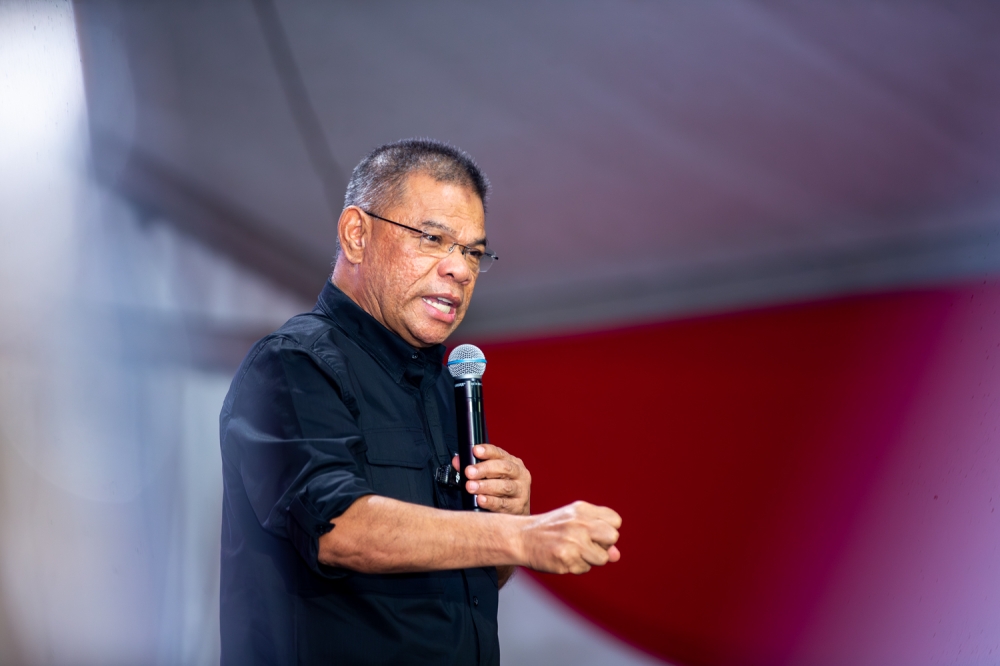
Home Minister Datuk Seri Saifuddin Nasution Ismail chaired a discussion on both issues today, saying they require “in-depth scrutiny” to remain relevant to current developments and national needs. That sentence sounds like background noise. For you, it’s worth paying attention to. Source
TL;DR: The government is reviewing Sosma and how Malaysia handles refugees. For your SME, this could change workforce availability, compliance expectations, and how authorities approach your sector. Nothing changes overnight, but businesses that prepare early will have a real edge.
What This Means
Let’s strip the jargon from both issues.
Sosma is the 2012 law that replaced the Internal Security Act. It gives police special powers for security offences, including detention without trial in certain circumstances. It was designed to counter serious threats, but it has faced repeated criticism over how it’s applied on the ground. The review asks a simple question: does this law still fit Malaysia’s reality in 2026? Source
Refugee policy is easier to understand but harder to solve. Malaysia is not a signatory to the UN Refugee Convention, so people fleeing conflict — many from Myanmar — have no legal status here. They can’t work legally, so they work informally, often in jobs that SME owners struggle to fill. The government is now asking whether this arrangement still serves national interests. Source
The minister said neither issue should be viewed “from a single perspective,” and that measures should be “practical, well-founded and suited to current circumstances.” In plain language: the old rules may no longer match the world you operate in.
How This Applies to Malaysian SMEs
First, the workforce reality. SMEs make up 97.4 percent of business establishments in Malaysia. Many of them — especially in food manufacturing, rubber and palm oil smallholdings, welding, and construction — depend on labour that exists outside the formal permit system. Meanwhile, over 180,000 refugees and asylum seekers are registered with UNHCR in Malaysia. They cook in the kitchen behind your shop, pack orders in the warehouse down the street, and harvest crops that end up on your customers’ tables. If refugee policy shifts toward formalisation, you could gain a legal way to hire people who are already skilled and loyal to your business. If it shifts toward stricter enforcement, you could lose workers by the end of the month. Source Source
Second, compliance and enforcement. A revised Sosma could mean changes in how security-related cases are processed. For a typical SME, this affects how you handle workplace disputes, incidents, or situations that escalate into police reports. If safeguards are added, you get more predictable legal outcomes. If enforcement is streamlined, authorities may act faster. Either way, your documentation standards matter more. If you’ve ever had a dispute with an ex-employee or a contractor turn sour, you already know how much a clear paper trail protects you.
Third, your reputation and community standing. Refugee communities live in industrial areas, shop at the same kedai runcit, and send their children to the same schools as your workers’ families. Your business is embedded in that ecosystem. When policy changes — for better or worse — the trust between you, your workers, and the surrounding community shifts with it. You may not follow every parliamentary update, but your employees do. They will hear about this review before your morning meeting ends.
“If the government formalises refugee participation in the workforce, the smaller businesses that were already treating their people properly will be years ahead of those who waited.”
The minister put it this way: “We want every measure taken not merely to address immediate needs, but to be practical, well-founded and suited to current circumstances.” That’s not a signal to panic. It’s a signal that the rules you plan around will eventually change — so understanding the direction now is cheap insurance. Source
What Could Change: A Quick Look
| Area | Current Situation | What a Review Could Mean for You |
|---|---|---|
| Sosma scope | Special powers for security offences; detention without trial in some cases | Changes could affect how workplace disputes or incidents are handled by police |
| Refugee status | 180,000+ registered with UNHCR, but no legal right to work | Possible formal work pathways — or tighter enforcement on informal hiring |
| National security balance | Policies shaped by security concerns and humanitarian needs | Greater emphasis on documentation and compliance for all employers |
Beyond the refugee numbers, consider the wider labour picture. Malaysia hosts millions of foreign workers across the formal and informal economy. When a policy review touches one segment, ripple effects reach every employer — including you. Source
Practical Takeaways
- Know exactly who works for you today. Photocopy every document — passport, UNHCR card, work permit, tenancy agreement. Build the file now, before you need it.
- Talk to your industry association. They will translate policy reviews into practical guidance faster than any news feed.
- Plan for two scenarios. One where refugee workers become easier to hire legally, and one where enforcement tightens. Both are plausible.
- Get proper legal advice on your hiring practices. A one-hour consultation with someone who handles employment and immigration can prevent a year of problems.
- Track this review yourself. Follow the Home Ministry and SME Corp announcements — not for entertainment, but because they directly affect your staffing.
The Bigger Picture
Malaysia’s labour model is at a turning point. For decades, the country has relied on a revolving door of foreign and informal workers to keep industries moving. But demographics, automation, and changing public attitudes are pushing policy in new directions. A review of Sosma and refugee policy is not just about security. It’s about who will be allowed to work in Malaysia, under what conditions, and with what protections.
For SMEs, the long-term trend is unmistakable: clearer rules, more documentation, and less grey area. That feels like pressure, but it also creates stability. You can’t build a ten-year business plan on a workforce that exists in a legal shadow. If this review leads to clearer pathways, the businesses that adapt early will gain a durable advantage over those who wait and complain.
You don’t need to read every parliamentary report. But you do need to act on the direction of travel. Review your files, talk to your association, and know your workforce inside out. The next time a minister talks about policy relevance, you’ll already be ready.
Ready to Streamline Your Operations?
Your business should run itself. AutoRunBiz deploys AI agents to automate your daily operations — WhatsApp orders, invoicing, customer follow-ups, and accounting. Book a free 15-min ops audit to see where automation fits your business →