
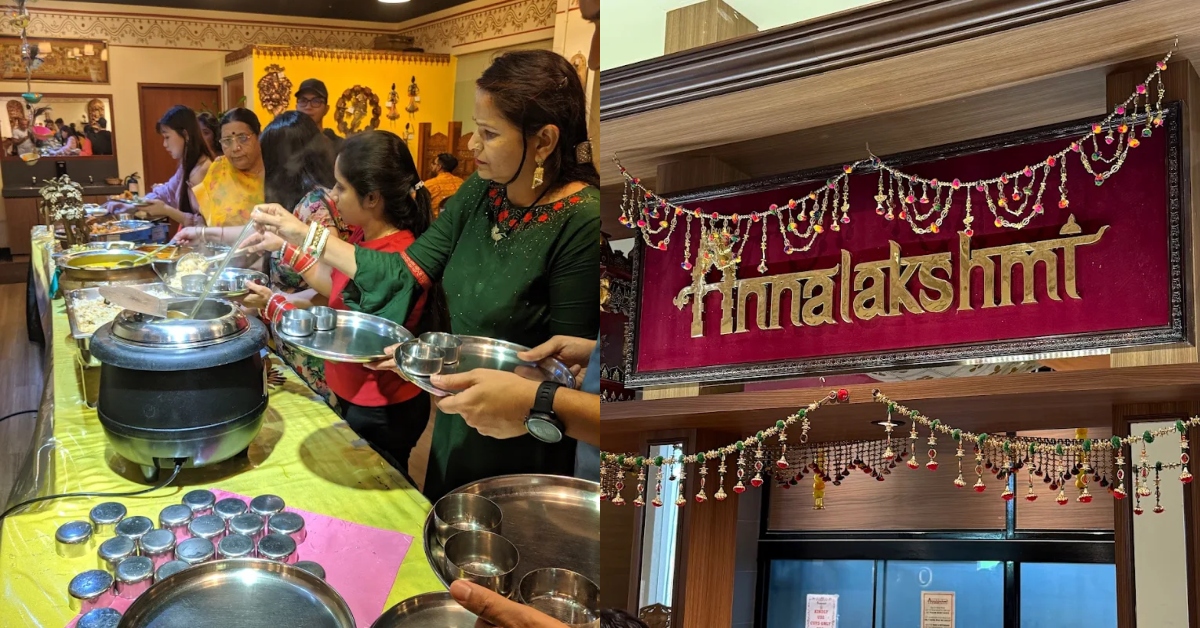
Can You Trust Your Customers to Set the Value?
Imagine if your clients, after using your product or service, could hand you whatever they thought it was fair. No set amount, no minimum, no haggling. The idea would make most Malaysian business owners — and their accountants — break out in a cold sweat. Yet a vegetarian restaurant in Singapore has operated on this exact premise for 25 years, and more importantly, it’s still standing.
But this isn’t a story about generosity alone. It’s a story about a clever business system that many SMEs overlook: building a community so invested in your success that they’ll willingly support you. If you’re running a business with 50 or fewer employees, you may think you don’t have the bandwidth to build that kind of community. But as you’ll see, the restaurant’s survival has less to do with trusting strangers and more to do with designing a structure where everyone plays a part.
TL;DR: A Singapore restaurant called Annalakshmi has let diners decide their contribution for a quarter of a century. It survives because of a wide support system: volunteers, donors, a café, and catering. For Malaysian SMEs, the lesson is to build a community of supporters around your work, and to use automation to free you up for relationship-building instead of administrative tasks.
What This Means
Annalakshmi first opened its doors in 1986 at a hotel in Singapore, then switched from a fixed contribution to its current flexible model in 2001. The founder, inspired by an act of kindness he received as a hungry young man, wanted a place where no one would be turned away for being unable to contribute. But the restaurant isn’t simply a charity. It’s a self-sustaining ecosystem.
Behind the buffet is a network of volunteers who help prepare food, serve guests, and even handle counters. Many are regular customers who first came as students when they could contribute little, and who later returned with the means to give back more according to the restaurant. This “long chain of helping hands” also includes donors and in-kind support. In addition, Annalakshmi runs a catering business and a separate café. That gives it a steady operational base while the original flexible-contribution buffet stays true to its philosophy.
“When one person loses sight of the bigger picture, someone else in the community is there to remind them why the restaurant exists in the first place.”
Source: Vulcan Post
Here’s a snapshot of Annalakshmi’s track record and outreach, which shows that the model isn’t just a nice idea — it produces real, measurable impact.
| Metric | Data | Source |
|---|---|---|
| Years since switching to the flexible model | 25 years (2001–2026) | Source |
| Age of restaurant in 2026 | 40 years | Source |
| Meals served to migrant workers in 2020 | 50,000 | Source |
| Subsidised meals for needy families (2020, per fortnight) | 500 | Source |
| Meals delivered to elderly beneficiaries (2020, per fortnight) | 1,000 | Source |
How This Applies to Malaysian SMEs
Malaysian SMEs face unique pressures. Customers are more informed and more sceptical than ever, and switching to a competitor is one click away. That’s why a model like Annalakshmi’s is so compelling for you. It shows that when you treat customers as partners rather than transactional buyers, they become loyal advocates. Even if you never let customers set the contribution amount, you can borrow the idea of creating a sense of shared ownership.
For instance, you could design a “pay it forward” practice in your business. If you run a café or a service studio, you can let regular customers buy an extra “token” for someone else who might otherwise miss out. That token becomes something people talk about, and it creates a local community narrative around your brand. This isn’t about losing control; it’s about adding a layer of humanity to your everyday operations. The challenge is keeping track of tokens, follow-ups, and community engagement — all of which can be automated with simple digital tools.
Another lesson lies in Annalakshmi’s volunteer ecosystem. In Malaysia, many SMEs rely on hands-on help from family or part-time staff during peak periods. But you can formalise this into a “friend of the business” program where loyal customers volunteer at events or give feedback on new ideas. The key is to make volunteers feel appreciated. An automated schedule or a messaging system can coordinate their availability, send thank-you notes, and share upcoming opportunities. This turns occasional help into an engaged community — something no competitor can easily copy.
Finally, look at how Annalakshmi diversified its offerings. Alongside the buffet, it has a café and catering services. You can apply this by housing your “experimental” or community-focused offering as a separate stream from your core service. For example, a marketing agency could run a monthly no-fee consultation for local non-profits while maintaining its regular retainer clients. That low-pressure offering builds goodwill and paves the way for referrals. With automation handling scheduling and follow-up reminders, you won’t need to allocate extra administrative staff to it.
Practical Takeaways for Malaysian Business Owners
- Identify one part of your offering where you can introduce flexibility — a trial period, a pay-it-forward option, or a “name your outcome” scope. Use it to build trust.
- Create a structured volunteer or ambassador program. Automate shift scheduling and communication to keep it effortless.
- Diversify your services into at least two streams: one that anchors your brand’s values, and one that provides a consistent core. Let automation manage the repetitive parts.
- Revisit your relationship touchpoints: use automated reminders for check-ins, birthdays, and anniversary messages — it shows you remember without adding mental load.
- Document your philosophy the way Annalakshmi did. When your team and customers know your “why,” they become part of the story.
The Bigger Picture
What happens when trust becomes your business model? Annalakshmi proves that a quarter-century experiment in trust can survive and thrive in one of the world’s most competitive restaurant scenes. For Malaysian SMEs, the long-term trend is clear: people want to support businesses that feel human. Automation is what makes that humanity scalable. By automating routine operations, you buy yourself the time to be present, to listen, and to build the kind of relationships that can sustain you for decades.
In a world where every transaction increasingly happens through a screen, a genuine, human gesture stands out. That’s what Annalakshmi’s story teaches us: the chain of helping hands starts with a single act of service. You don’t have to let customers decide the entire contribution amount. You just have to show them that their trust matters to you — and that’s a message Malaysian SMEs can deliver starting today.
Ready to Streamline Your Operations?
Your business should run itself. AutoRunBiz deploys AI agents to automate your daily operations — WhatsApp orders, invoicing, customer follow-ups, and accounting. Book a free 15-min ops audit to see where automation fits your business →