
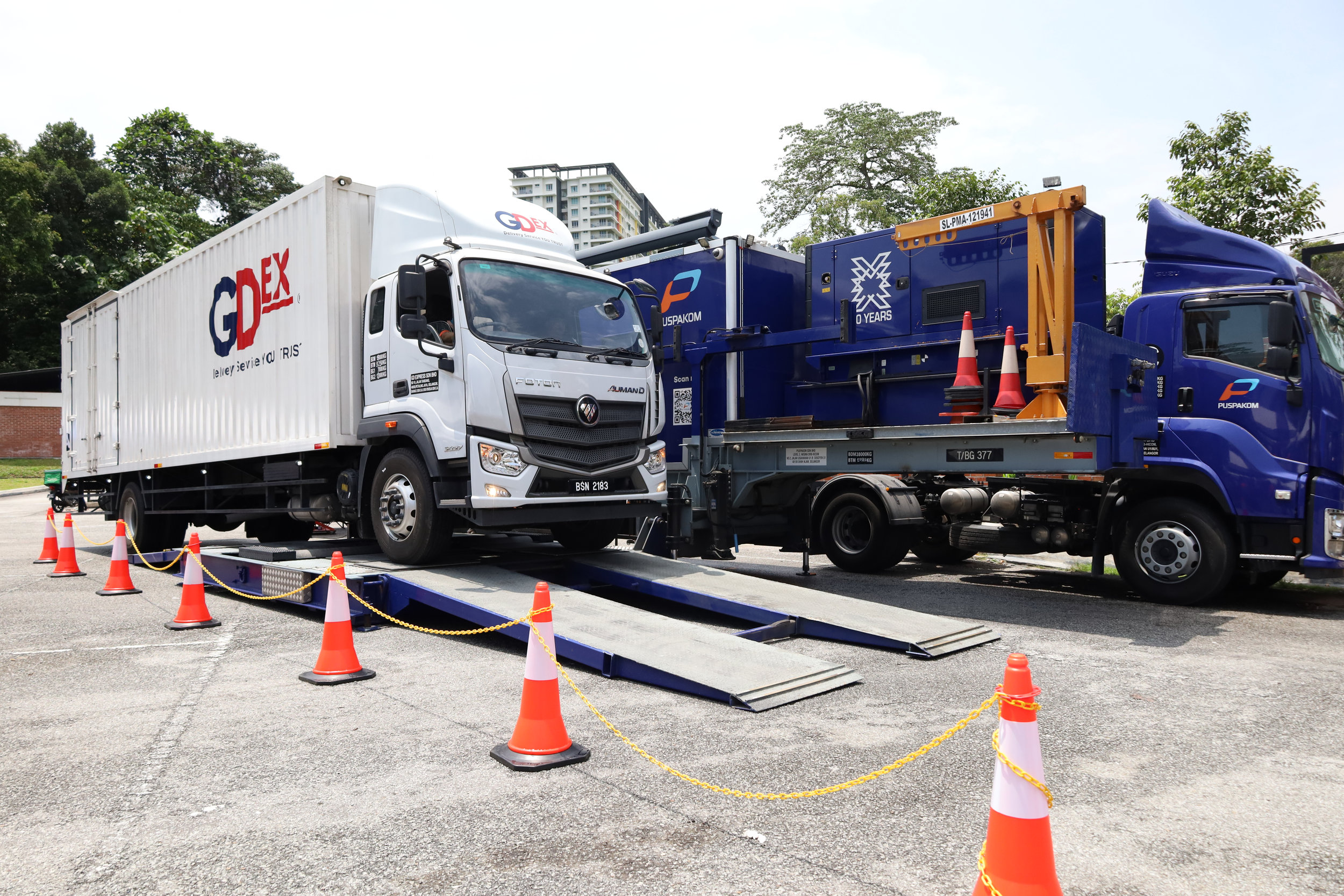
Puspakom’s AI Vehicle Checks: What Malaysian SMEs Must Know
You know the routine. Your delivery van or lorry is due for its Puspakom inspection. You book the appointment, block out half a day, and hold your breath hoping the inspector waves you through. One surprise finding under the vehicle, and it’s off the road — which means you can’t serve your customers.
That inspection process just changed. In August 2026, Puspakom introduced Malaysia’s first AI-assisted vehicle undercarriage inspection, as reported by SoyaCincau. You might be wondering: does this make your life easier or harder?
The short answer: it makes inspections more consistent, and it means you can no longer rely on an inspector missing something. For a small business owner, the fix is the same either way — take care of your vehicles before you roll into the center.
TL;DR: Puspakom now uses AI to scan vehicle undercarriages — a check that was previously done purely by the human eye. For SMEs with vans, lorries, or fleet vehicles, expect more thorough and consistent inspections. The smart move is to maintain your vehicles proactively and keep clear service records.
What This Means
An undercarriage inspection is exactly what it sounds like: someone checks the underside of your vehicle for rust, fluid leaks, damaged exhaust parts, worn suspension components, and structural problems. In most Malaysian inspection centers, this is done by driving the vehicle over a pit while an inspector looks up from below. It works — but it depends on a person’s eyes, the lighting, and how many vehicles that inspector has already checked that day.
The AI-assisted system changes that setup. Instead of relying on purely human observation, cameras and sensors capture the undercarriage while software trained on thousands of images flags anything unusual — corrosion, leaks, bent components, loose parts. A human inspector then reviews what the AI spotted. It’s not robots replacing people; it’s technology helping people do a more dependable job. Puspakom says this is a first for Malaysia.
How This Applies to Malaysian SMEs
If you run a shop that does delivery, operate a food truck, manage a small logistics fleet, or drive a van for your electrical or plumbing business, this is directly about you. Virtually all commercial vehicles in Malaysia must pass Puspakom’s periodic inspection to stay legal. The AI system won’t stay at one center forever — it will likely be rolled out more widely over time. This is not an “one day” thing; it’s reaching your business now.
The first implication is simple: the undercarriage check is harder to slip through. A human inspector checking the fortieth lorry of the day might glance at a dark, greasy underside and miss a slowly worsening oil leak. AI doesn’t get tired or distracted. If your maintenance approach has been “wait for it to break, then fix it,” you might find that inspections start surfacing problems you didn’t know you had. That means more workshop visits, more downtime, and more hassle.
The second implication is the opportunity. AI-assisted inspections become consistent — which is fairer for you. Right now, passing an inspection can sometimes depend on which center you visit or which inspector is on shift. A consistent, camera-backed baseline means the same standard applies to your competitor and to you. If you keep your vehicles properly maintained, you have nothing to worry about. And because the AI scan can be faster than a manual check, you might even get through the process more quickly.
There’s a third angle: records. AI captures digital images, which means data is easier to store and reference. If an issue is flagged, your workshop gets a clearer picture of what to fix. If you need to dispute a finding, your own maintenance log becomes important evidence. In the long run, SMEs that keep clean service records — receipts, dates, mileage — will have a much easier time proving their vehicles are roadworthy.
The undercarriage is the most overlooked part of a vehicle, precisely because you can’t see it day to day. When AI starts examining it consistently, the question shifts from “will I get caught?” to “is this vehicle actually safe?”
Practical Takeaways
You don’t need to be an engineer to prepare. Do these before your next inspection:
- Get your hands dirty once. Ask your workshop to raise the vehicle and walk underneath with them. Look for rust, oil drips, cracked rubber hoses, and anything that looks bent or loose.
- Fix leaks early. Small oil leaks only get bigger. If your van leaves a single drop overnight, fix it before your inspection date, not after.
- Keep a simple maintenance diary. A basic notebook or spreadsheet — with dates, mileage, and what was fixed — gives you proof that you run a responsible vehicle.
- Coach your drivers. Tell them to report odd noises, vibrations, or puddles under the vehicle immediately. A week of ignoring a strange clunk can turn into a failed inspection.
- Book early. The first wave of vehicles through a new inspection system can face teething delays. Give yourself buffer time so a backlog doesn’t ground your vehicle.
Here’s a quick comparison of what the new system looks for and how you can get ahead of it:
| What the AI checks for | Why it matters to you | Your move before inspection |
|---|---|---|
| Rust and corrosion | Structural rust can fail a vehicle on the spot | Power-wash the undercarriage and inspect for exposed brown patches |
| Fluid leaks | Leaking engine oil or brake fluid is a safety risk | Park on clean concrete overnight and check for fresh puddles |
| Damaged exhaust parts | A loose or rattling exhaust points to failing mounts | Listen for unusual noise when the engine is idling |
| Worn suspension | Affects handling, tyre wear, and load stability | Push down on each corner of the van — it should bounce once, not twice |
The Bigger Picture
This AI inspection isn’t an isolated launch. It’s part of a broader push to digitize and automate vehicle safety checks in Malaysia. Over the next few years, expect more camera- and AI-based checks across the whole inspection process — brakes, tyres, emissions. For SME owners, the long-term direction is clear: the informal habit of “just get it passed” will be replaced by transparent, data-backed roadworthiness.
Strip away the bureaucracy, and this is good news for honest businesses. A level playing field means the shortcuts taken by competitors are more likely to be caught, and your reliability becomes a real advantage. The vehicle you run is your promise to customers that their goods will arrive safely. As inspections hold everyone to the same standard, your discipline pays off.
The businesses that adapt fastest won’t be the ones with the newest vans. They’ll be the ones that treat vehicle upkeep as a normal monthly routine instead of an inspection-day panic. Start today — a ten-minute check now saves you time and stress later. And the AI at Puspakom will notice the difference.
Ready to Streamline Your Operations?
Your business should run itself. AutoRunBiz deploys AI agents to automate your daily operations — WhatsApp orders, invoicing, customer follow-ups, and accounting. Book a free 15-min ops audit to see where automation fits your business →