
Why SpaceX’s Gas Bet Signals a Power Shift for MY SMEs
When you run a small business in Malaysia, the energy that powers the world’s biggest tech companies is probably the last thing on your mind. But this week’s news about SpaceX building its own natural gas power plants for a new chip factory in Texas should give you pause. It’s a clear signal that the companies building the AI tools you rely on are making hard-nosed decisions about power — and those decisions may shape your future too.
What Happened
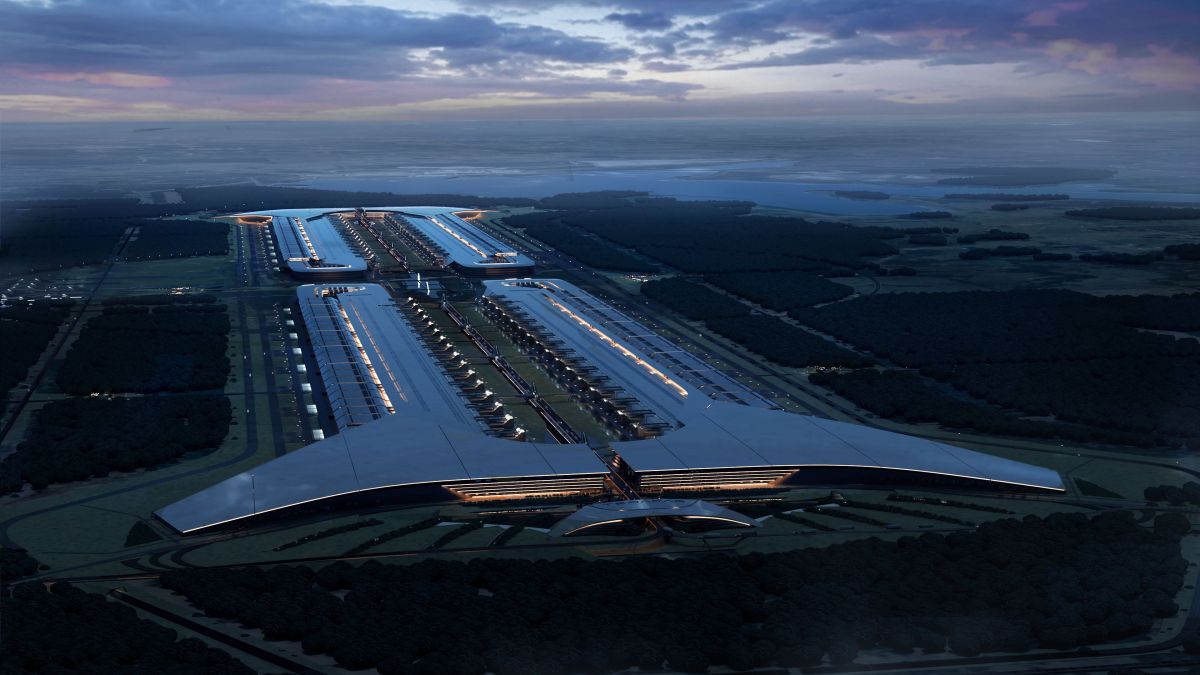
SpaceX announced that its upcoming Terafab semiconductor facility in Grimes County, Texas will be powered by natural gas power plants constructed by the company itself. According to a report from TechCrunch, SpaceX will be “bringing our own power” for the project, which also includes “very large battery arrays.” Notably, there’s no mention of solar panels — even though Tesla, a solar developer, is a partner in the venture. Read the full story here.
The decision is part of a broader pattern. Elon Musk’s xAI data centers in Memphis run almost exclusively on natural gas. SpaceX has also indicated it plans to buy $2.8 billion worth of gas turbines over the next three years. This comes amid a surge of proposals for natural gas power plants across the industry, driven by the AI data center boom. Over 70 gigawatts of capacity has already been charted out in Texas alone, according to the report. Source.
Why This Matters for Malaysian SMEs
You might think, “That’s America. We have TNB, we have a grid that mostly works.” But the lesson isn’t about geography — it’s about how the world’s most valuable companies prioritise energy. They don’t gamble on idealistic solutions. They choose what keeps their servers running and their chips manufacturing around the clock. For you, using cloud-based accounting software, automating your inventory, or running AI-powered customer support chatbots, the same principle applies: your business automations are only as reliable as the electricity that powers them. A power blackout in your shop or office can take your point-of-sale system offline, which means you lose sales and credibility.
Consider the following: as AI tools become embedded in your business, the demand for data processing will grow. That data has to live somewhere — and that “somewhere” will be data centres that are increasingly powered by gas, not just renewables. For Malaysian SMEs, this means two things. First, you can’t assume that “green” cloud services are actually running on solar or hydro. Second, the real priority for any business infrastructure should be uptime and reliability. SpaceX’s choice to use gas plus batteries, despite Tesla’s solar pedigree, shows that reliability trumps branding every time. Source.
This is particularly relevant because Malaysian SMEs are being encouraged to digitise and automate under various government initiatives. But automation multiplies your dependency on electricity. Every automated checkout, every cloud-based inventory system, every AI chat window has a power footprint. Instead of waiting for the authorities to guarantee grid stability, you can take a page from the big players: design your operations to be resilient. That means backup battery systems for your critical hardware, using laptops instead of desktops on unstable power, and ensuring your internet connection has a fallback. It’s about planning for continuity.
The Bigger Picture
SpaceX’s move represents a broader shift: “bring your own power” is becoming the norm for infrastructure projects. The article notes that Google, Meta, and Microsoft have all announced massive natural gas projects in recent months. This is a response to the skyrocketing demand for data processing, but it also raises a critical question: what does it mean for the environment and for smaller businesses? When the biggest companies opt for fossil fuels, it may slow the transition to clean energy. For a small business owner in Malaysia, this might feel distant — but it affects the regulatory landscape you operate in. As countries move to tighten emissions controls, SMEs could face pressure to report their carbon footprint. Already, larger corporations are requiring their suppliers, including SMEs, to align with sustainability targets. Source.
“We will be bringing our own power for the project, which will also include very large battery arrays.” — Riley Trettel, SpaceX energy and data center development lead, as reported by TechCrunch. Source
So what should you, as a Malaysian SME owner, take away from this? It’s not about switching to gas. It’s about understanding that energy is a strategic resource, not just a utility bill. When you automate, you become more reliant on electricity and connectivity. The giants know this; that’s why they’re taking control of their power supply. You can’t build a power plant, but you can build resilience into your own operations. Start by auditing your current dependencies: which of your business processes stop if the power flickers? Which tools are cloud-based and which are local? Then consider simple backups: uninterruptible power supplies for your router and server, a mobile hotspot for internet redundancy, and a hard-copy backup for critical records. These steps don’t require huge budgets — they require foresight.
At AutoRunBiz, we help Malaysian businesses automate their operations, but we always remind our clients that automation works only when the basics are covered. Your business is part of a larger ecosystem that is making tough energy choices. Whether you agree with those choices or not, you can’t ignore the fact that power reliability is as important as the software you use. The next time you read about a tech giant building a gas plant, don’t just scroll past. Think about your own infrastructure and ask: “Am I ready for the next big blackout? Am I prepared for the energy demands of the AI tools I am about to adopt?”
Key Takeaways for Malaysian SMEs
| Signal from the Tech Giants | What It Means for You |
|---|---|
| Companies are building their own power sources to guarantee uptime | Your business must plan for power continuity — consider backup systems for critical hardware |
| Even green champions like Tesla are not being used for solar here | Don’t assume cloud services run on renewable energy; focus on your own resilience first |
| Natural gas + batteries is the chosen mix for reliability | Design your automation stack to gracefully handle short power interruptions |
| Data centers are expanding to meet AI demand | The AI tools you use will keep growing in capability, but they depend on a robust power grid — plan accordingly |
Source: TechCrunch report on SpaceX’s Terafab power plan
Ready to Streamline Your Operations?
Technology moves fast. Your operations should keep up. AutoRunBiz builds AI systems that run your daily workflows — from WhatsApp order capture to accounting. Book a free 15-min ops audit →