
Your Customers’ Opinion Is Now AI’s Most Valuable Asset
You’ve probably stared at a blank sales report wondering, “Why isn’t this selling?” You know what your product does, but you’ve lost the thread of what your customers actually feel about it. Big tech companies have the same problem—except they’re now paying serious attention (and paying real money) to solve it.
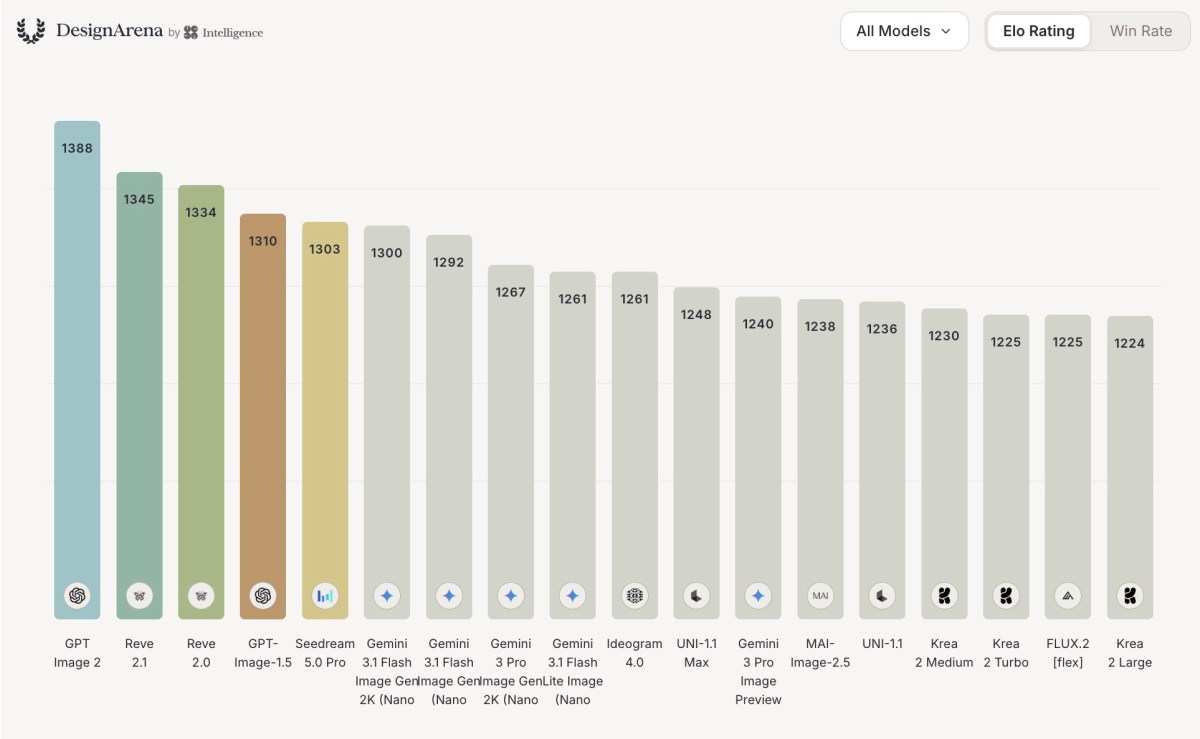
A recent TechCrunch report shows that the creators of Design Arena, an AI tool used by 5.3 million people worldwide, have raised a seed round led by Index Ventures. Their core insight? AI models can generate endless images, games, and websites—but can’t tell which ones feel good. That judgment still comes from humans.
TL;DR: Your customers’ preferences are valuable, not just to you—but to the AI companies shaping the future. Learning to collect and act on human feedback in a systematic way gives you an edge that no automated tool can replace.
What This Means
Design Arena works like a simple polling game. You type in a request, see a few generated options, and pick which one you prefer: A or B. Those choices get logged, aggregated, and sold to AI labs as “preference data.” That data teaches algorithms what your taste looks like—whether you’re ranking logos, website layouts, or even menu designs.
The article points out that these human evaluations matter because automated benchmarks can be gamed or manipulated, as shown by a recent breach at Hugging Face. Human judgment isn’t perfect, but it’s harder to fake. And there’s a fascinating detail: users in Asia tend to prefer a more maximalist design style compared to Western minimalism. In other words, taste is regional, and it shifts over time.
“It was the missing bottleneck for a lot of these models to make improvements in the design space.” — Grace Li, co-founder of Design Arena
For AI companies, this feedback is the missing link between “the model works” and “the model makes something you actually want.” For your business, the same logic applies. You can track revenue, footfall, and website clicks all day, but none of those numbers tell you why people leave.
How This Applies to Malaysian SMEs
Let’s make this concrete. You run a coffee shop in Petaling Jaya. Your best-selling latte is getting lukewarm reviews. You can see the sales data, but you don’t know if it’s the sweetness, the temperature, or the mug design that’s turning customers off. A simple “Which would you prefer?” question—shown on your ordering counter or in a WhatsApp broadcast—gives you the kind of direct preference signal that Design Arena sells for a premium.
Or imagine you own an e-commerce store selling batik clothing online. Your product photos are professionally shot, but your conversion rate is dropping. Malaysian customers might prefer products shown with a lifestyle background rather than a neutral studio shot. Instead of guessing, you can run a simple A/B test on your homepage and ask a handful of regular customers to vote. That’s a tiny version of what these AI labs are doing—and it doesn’t require a single line of code.
Even service-based SMEs—accounting firms, cleaning services, marketing agencies—rely on taste. Your clients may not remember every task you completed, but they remember the feeling they had during your last project review. Collecting that feedback consistently is a business advantage. The smartest Malaysian SMEs will start treating customer feedback as a structured asset, not just a casual comment box.
Here’s the practical part: you can automate most of this. Tools like Google Forms, Typeform, or even simple WhatsApp polls can gather preference data in minutes. You don’t need an expensive AI system. Just ask three questions consistently: Which option do you prefer? Why? Which would you pay more for? The answers become your own “Design Arena.”
Practical Takeaways
- Run a weekly “A vs. B” poll among your top 20 customers—pick two versions of a product design, a message, or a service process.
- Track feedback by demographic clusters: Malaysian urban customers often differ from those in smaller towns, just as Asian web tastes differ from Western ones.
- Save all preference feedback in a simple spreadsheet—look for patterns over months, not days.
- Don’t rely solely on automated ratings. A 4-star average hides why people chose 4 instead of 5.
- When you change something, ask customers about the new version, not just the old one.
The Ups and Downs of Human Feedback
The TechCrunch article also shares a cautionary tale. A similar startup called Yupp shuttered its doors despite having over 1.3 million users. Meanwhile, LM Arena—which applies this same idea to text responses—raised a sizable Series A just four months after launching its paid product. The difference? Speed to market and focus on a specific content type.
| Platform | Content Type | Users | Outcome |
|---|---|---|---|
| Design Arena | Images, websites, games | 5.3 million | Seed round funded |
| LM Arena | Text responses | Not disclosed | Major Series A |
| Yupp | General human feedback | 1.3 million | Shut down |
What does this table teach you? Having users isn’t enough. The same is true for your business—collecting feedback is only useful if you actually change something based on it. Yupp had users, but couldn’t convert that into lasting operations. Your SME will avoid that trap by tying every feedback session to a specific action.
The Bigger Picture
Long term, the businesses that thrive will be the ones that treat “customer taste” as a measurable, constantly-updated asset. AI models will get better at generating generic content, but they’ll still need inputs from real people to understand nuance—why a Malay-speaking customer prefers a different tone on your website, or why a Gen Z shopper in Penang reacts differently from a baby boomer in Johor Bahru.
You don’t need to hear it from Silicon Valley to know this works. Your own instincts already told you that a smile from a cashier keeps a customer coming back. What Design Arena proves is that those instincts can be systematized, quantified, and even sold. For you, systematizing those instincts means fewer missed opportunities and better customer retention, regardless of what any AI model decides next month.
The businesses that survive the AI shift aren’t the ones with the flashiest tools. They’re the ones that never stopped listening to their customers.
Ready to Streamline Your Operations?
Your business should run itself. AutoRunBiz deploys AI agents to automate your daily operations — WhatsApp orders, invoicing, customer follow-ups, and accounting. Book a free 15-min ops audit to see where automation fits your business →