
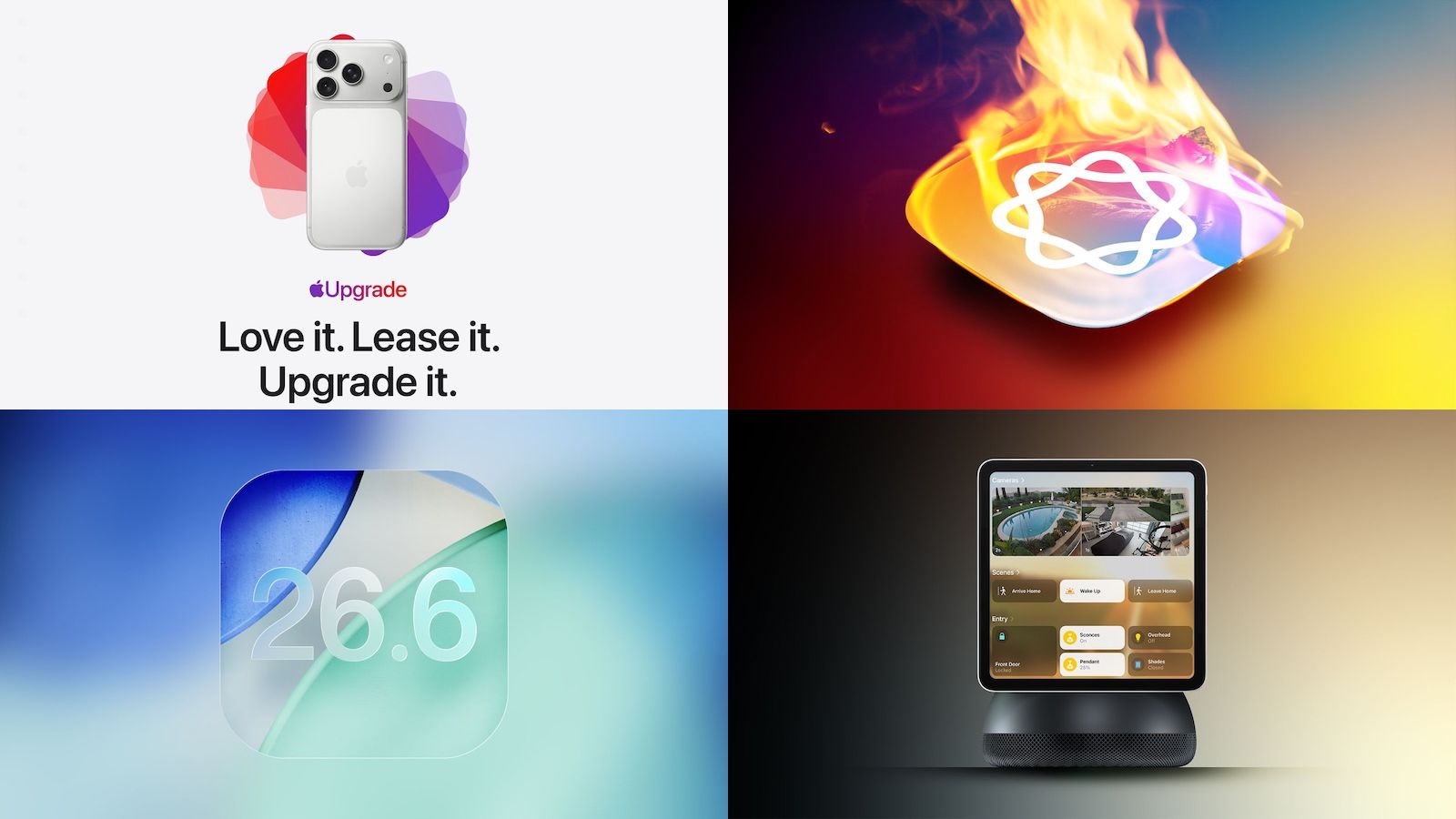
Apple’s Week of Leases, Security Patches, and an AI Reckoning
If you run a small or medium business in Malaysia, you’ve probably felt the pressure to jump into AI. Every software vendor, every WhatsApp group chat, every industry seminar seems to be telling you that artificial intelligence is the only way forward. But this week’s Apple news cycle carries a warning that should make you pause before you buy into the hype. It’s not just about Apple — it’s about the sustainability of the entire AI industry, and it affects how you should be making tech decisions for your business.
Here’s the thing: the same week Apple rolled out a new device leasing program, updated its operating systems, and teased a smart home hub, one of the tech industry’s sharpest critics doubled down on a claim that the AI boom is a bubble waiting to burst. That mix of stories is a perfect reminder that while tech tools can help your business, you shouldn’t build your operations around trends that might not survive.
What Happened
Apple launched Apple Upgrade, a new leasing program in the United States that covers iPhone, iPad, Mac, and Apple Watch. Instead of buying devices outright, customers can lease them for 12 to 36 months depending on the product, then return them, start a new lease, or make a final payment to own the device permanently. Apple partnered with Klarna to run the programme, replacing its older iPhone Upgrade Program.
The same week, Apple released iOS 26.6 and related updates, patching hundreds of security flaws across its operating systems. The updates also prepare Apple’s Spotlight search for the upcoming iOS 27 launch in September. In the background, though, a more uncomfortable story was getting attention. Ed Zitron, the journalist and podcaster behind the “Better Offline” show, has spent years arguing that the massive investment in AI infrastructure will never pay for itself. He told MacRumors that if the AI bubble bursts, Apple will “watch everything burn.”
Zitron’s argument isn’t just about Apple. Memory prices have doubled, he notes, and the cost of building out AI data centres has ripple effects across the entire tech economy. For business owners who are being asked to spend time, resources, and attention on AI tools, that warning matters more than any new iPhone feature.
Why This Matters for Malaysian SMEs
Let’s bring this home. You’re running a business with 1 to 50 employees, probably in retail, food and beverage, logistics, professional services, or manufacturing. You’ve likely been approached by a vendor selling an “AI-powered” chatbot for your website, or an “AI-driven” accounting system, or even an “AI-based” customer phone line. Some of these tools are genuinely useful. But many are built on the same fragile assumptions Zitron is warning about: that the underlying AI models will keep getting cheaper, faster, and better indefinitely.
If that assumption fails, the vendors you rely on could fold, change their pricing models, or end support for their products. That doesn’t mean you should ignore AI entirely. It means you need to be selective. A Malaysian SME owner should ask: does this tool solve a specific problem that costs me time today, or is it a shiny feature I’m adopting because a bigger company did the same? For instance, an AI tool that automatically categorises your sales receipts for LHDN filing is solving a concrete problem. An “AI assistant” that generates generic marketing copy you’d have to edit anyway might not be worth the dependency.
The good news is that you don’t need to be on the bleeding edge. You can wait, watch, and let the early adopters test the waters. The fact that Apple is now offering leases instead of outright purchases for its devices actually points to a smarter way for SMEs to think about tech: don’t make a permanent commitment to hardware or software that could be outdated within a year. Leasing gives you flexibility. You can return the device at the end of the lease period and start a new one, which means you’re never stuck with tools that the market has moved past.
“The buildout driving those costs will never pay for itself,” Zitron said, pointing to the rapidly increasing price of memory and other components. For a Malaysian SME, that’s a warning to treat AI as an operational tool, not as a strategic religion.
The Bigger Picture
What does an AI bubble burst actually look like for a business like yours? It doesn’t mean the internet stops working, or that AI disappears entirely. It means companies that raised billions of dollars on the promise of “artificial general intelligence” will cut their losses. Projects will be abandoned, APIs will be shut down, and entire platforms will be sold off or merged. If your business has built its entire customer service workflow around one AI vendor’s API, you could be left scrambling to find a replacement. If you used a cheap AI tool to handle recruitment screening, you might suddenly lose the ability to review candidates at all.
That’s why the smartest move right now is to build your business around stable, proven systems, and to treat AI as an upgradeable layer, not a core foundation. Use open standards, keep your data in formats you can export, and avoid contracts that lock you into a single AI provider. This is also where automation, done properly, makes a difference. Automation doesn’t require a massive AI model. You can automate invoice reminders, stock alerts, and staff scheduling with simple rules and logic that will still work ten years from now. That kind of automation brings you the efficiency you want without the fragility of the AI hype cycle.
Apple’s decision to lease rather than sell devices is also a signal about the future. Even the world’s most valuable company doesn’t want its customers to feel locked into an expensive purchase when the next upgrade arrives. For your own SME, think about how you can adopt a similar mindset. Buy software that lets you pay monthly and cancel without penalties. Choose hardware that can be returned. And for AI tools, start with the smallest possible pilot that solves a real problem, then scale only if you see measurable results.
Key Takeaways for Malaysian SME Owners
| Action | Why It Matters |
|---|---|
| Audit your AI usage before signing anything | Many AI tools address problems that don’t exist in your business yet. Identify a specific pain point first, then look for a solution. |
| Prefer vendors with transparent, portable data | If the provider disappears, you should still be able to export your data and move to another tool without rebuilding everything. |
| Lease or subscribe instead of buying outright | Whether it’s hardware from Apple or software from a SaaS vendor, flexibility protects you if your needs change. |
| Automate with simple rules first | Basic logic-based automation gives you the same efficiency gains as AI without relying on an industry that might not survive in its current form. |
You can track the full story from this week’s Apple news over at MacRumors, including the iOS 26.6 security updates and the Apple Upgrade details. But the takeaway for your business is clear: stay curious, stay cautious, and never let a headline convince you to bet your company on a bubble. The tools you choose today should be able to survive tomorrow.
Ready to Streamline Your Operations?
Technology moves fast. Your operations should keep up. AutoRunBiz builds AI systems that run your daily workflows — from WhatsApp order capture to accounting. Book a free 15-min ops audit →