
Your Deliveries Are Getting an Upgrade
You know the drill. Your riders leave the shop, and you’re holding your breath until they get back. Did the fuel last? Did the chain snap on Jalan Gasing again? Did the battery on that old e-scooter die halfway through the lunch rush because the hub motor overheated?
Managing a fleet in Malaysia is a constant battle against heat, traffic, and maintenance gremlins. You’ve looked at electric scooters as a solution, but the cheap ones are unreliable, and the good ones seem designed for weekend warriors, not daily commercial grind. You need a tool, not a toy.
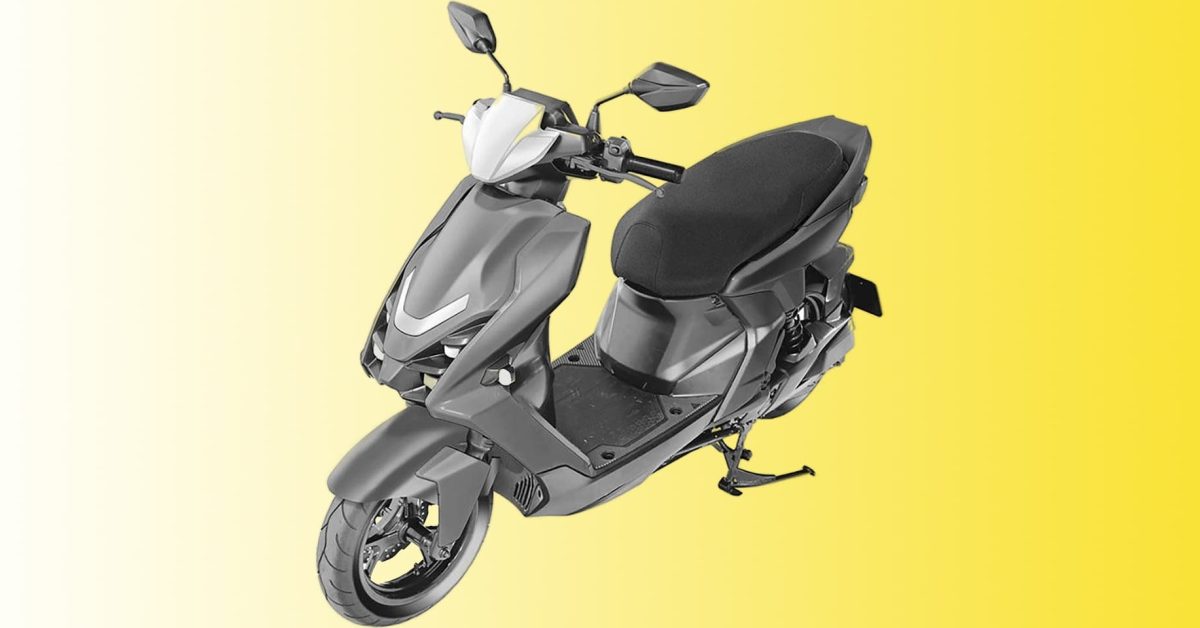
Yamaha just filed a new design that changes the calculus. It isn’t just another electric scooter. It’s a blueprint for what a commercial e-scooter should be for a business owner like you.
TL;DR: Yamaha’s latest design filing reveals an electric scooter built with commercial durability in mind: a central motor (smoother ride over bad roads), belt drive (zero maintenance), and a removable battery (charge anywhere). For an SME owner managing deliveries or field service, this is the first sign that big manufacturers are building e-scooters for your specific operational needs.
What This Means for Your Workshop Floor
Let’s skip the buzzwords and look at the engineering choices Yamaha made, and why they matter for your business.
1. The Central Motor (No More “Wobble”): Most budget e-scooters put the motor inside the rear wheel (hub motor). This adds weight to the wheel itself. In engineering terms, it’s “unsprung weight.” On Malaysian roads—from the potholes in Puchong to the village roads in Perak—this creates a harsh ride and faster tyre wear. Yamaha’s design puts the motor in the frame, driving the wheel via a belt. This means the suspension can actually do its job. Your riders arrive less fatigued, and your tyres last longer.
2. The Belt Drive: Chains stretch, snap, and require constant lubrication. For a busy SME owner, a snapped chain means a rider stuck on the side of the road during peak hours. A belt drive is nearly silent, requires no grease, and lasts significantly longer with zero adjustment. It’s the difference between a scheduled service and an emergency rescue call.
3. Removable Battery (The Logistics Edge): The design strongly suggests the battery is housed under the seat and is designed to be removable. This is huge. You don’t need to install a high-powered charging station at your shop. Your rider plugs the battery into a standard 13A socket overnight. For lunch service, they swap in a fresh battery. No waiting. No infrastructure upgrades needed.
“The biggest bottleneck to electrifying a fleet isn’t the range of the scooter—it’s the charging logistics. A removable battery solves that instantly. Yamaha understands this.”
How This Applies to Malaysian SMEs
For the Food Delivery Business Owner: You are constantly managing tight margins. The biggest variable headache is keeping your fleet running. An electric scooter with this layout removes the complexity of fuel management and daily maintenance. A rider can do the morning breakfast run, swap batteries at the shop during lunch, and go again. The belt drive removes weekly chain tightening and lubrication. The smoother ride reduces wear on suspension components. For a fleet of just 5 to 20 bikes, the reduction in “unscheduled downtime” is immediately noticeable on your operational efficiency.
For the Field Service Company (A/C, Plumbing, Pest Control): Your technicians need reliability and cargo space. The repositioned twin shocks and central motor layout suggest better load stability than typical e-scooters. The storage compartments in the front leg shield are ideal for small parts or diagnostic tablets. Your technician arrives on-site with a fully charged battery (charged at the office overnight) and zero fuel stops for the trip. They move faster than a van in city traffic, and the operational efficiency per trip increases significantly.
For the SME Owner Testing the Waters: You want to go electric, but previous attempts felt risky. Yamaha’s entry changes the risk profile. This isn’t a startup or a rebranded import. Yamaha has been in Malaysia for decades. They have service centres in almost every state. When this scooter launches, it means local parts, trained mechanics, and proper warranty support. Your purchase is an asset with a support network, not a science experiment.
Practical Takeaways for Your Business
Here is a simple checklist to keep in mind when evaluating an electric scooter for your fleet:
- Drive System: Prioritise belt drive or central motors. Hub motors are acceptable for light commuting, but for daily heavy commercial use, the central motor design holds up better against heat and abuse.
- Battery Accessibility: Can you remove the battery and charge it on a standard 3-pin plug? This is a must for SMEs without dedicated high-power charging infrastructure.
- Service Network: Does the brand have a service centre within 50km of your operation? A big brand like Yamaha will have a network ready.
- Rider Comfort: Look at the suspension geometry. Better suspension means less rider fatigue, which means safer deliveries and better customer interactions.
- Total Downtime Calculation: Add up the man-hours you spend on chain maintenance, fuel runs, and emergency breakdowns. An electric scooter designed this way eliminates the majority of these interruptions.
The Bigger Picture
This design filing signals that the electric scooter market is maturing from “personal transport” to “business tool.” The technology is shifting its focus from top speed to total reliability.
For the last 20 years, petrol scooters dominated because they were the only reliable tool for the job. Electric scooters were fragile or too expensive. Yamaha’s commitment to a central motor and belt drive layout validates that the industry is finally tailoring electric vehicles to handle the specific demands of the Malaysian business owner—heat, road quality, and daily heavy use.
The long-term trend is clear: the complexity of engine maintenance and fuel management is being replaced by the simplicity of electric powertrains. Your competition isn’t just the shop next door—it’s the business that figures out how to lower its operational friction first. An integrated, reliable electric fleet is a major tool in achieving that.
As a business owner, this isn’t about following a trend. It’s about cutting out the friction that eats up your day. Yamaha has designed a scooter that gets out of the way and lets you focus on your actual business.
| Feature | Typical Hub Motor E-Scooter | Yamaha Design (Central Motor) | Impact on Your Business |
|---|---|---|---|
| Ride Quality on Rough Roads | Harsh, transfers bumps to rider | Smoother, better weight distribution | Less rider fatigue, safer delivery handling |
| Drive Maintenance | Chain adjustments / spline wear | Belt drive (sealed, no lube) | Zero weekly maintenance. Fewer lost service hours. |
| Battery Charging Logistics | Fixed under seat, needs charging point | Removable, charge on any 13A socket | No shop renovation for charging stations needed. |
| Long-Term Durability | Motor directly impacted by road shocks | Motor isolated from road impacts | Reduced component fatigue. Longer service intervals. |
Keep an eye on the official launch from Yamaha. This could be the vehicle that makes the switch to electric a purely logical business efficiency decision for your Malaysian SME.
Ready to Streamline Your Operations?
Your business should run itself. AutoRunBiz deploys AI agents to automate your daily operations — WhatsApp orders, invoicing, customer follow-ups, and accounting. Book a free 15-min ops audit to see where automation fits your business →