
Your Logistics Future: Lessons from Tesla’s Robotaxis
You run a Malaysian SME. Your day is probably filled with managing delivery riders, juggling customer requests, and trying to make sure inventory is where it needs to be. When you hear about Tesla launching self-driving taxies in Florida, it’s easy to dismiss it as a rich country’s tech fantasy that has nothing to do with your real-world business challenges.
But looking closely at what is actually happening—and what is failing—exposes a clear blueprint for the operational future every business owner needs to understand. The shift isn’t about the cars themselves. It is about systematically removing human unpredictability from core business processes. For a Malaysian business owner, the most valuable part of this story has nothing to do with driving.
TL;DR: Tesla’s robotaxi expansion is a real-world test of automated logistics. The core lesson for you is to start replacing manual heroics with reliable, automated systems—from dispatching to customer communication—so your business is ready for the next wave of tech.
What This Actually Means
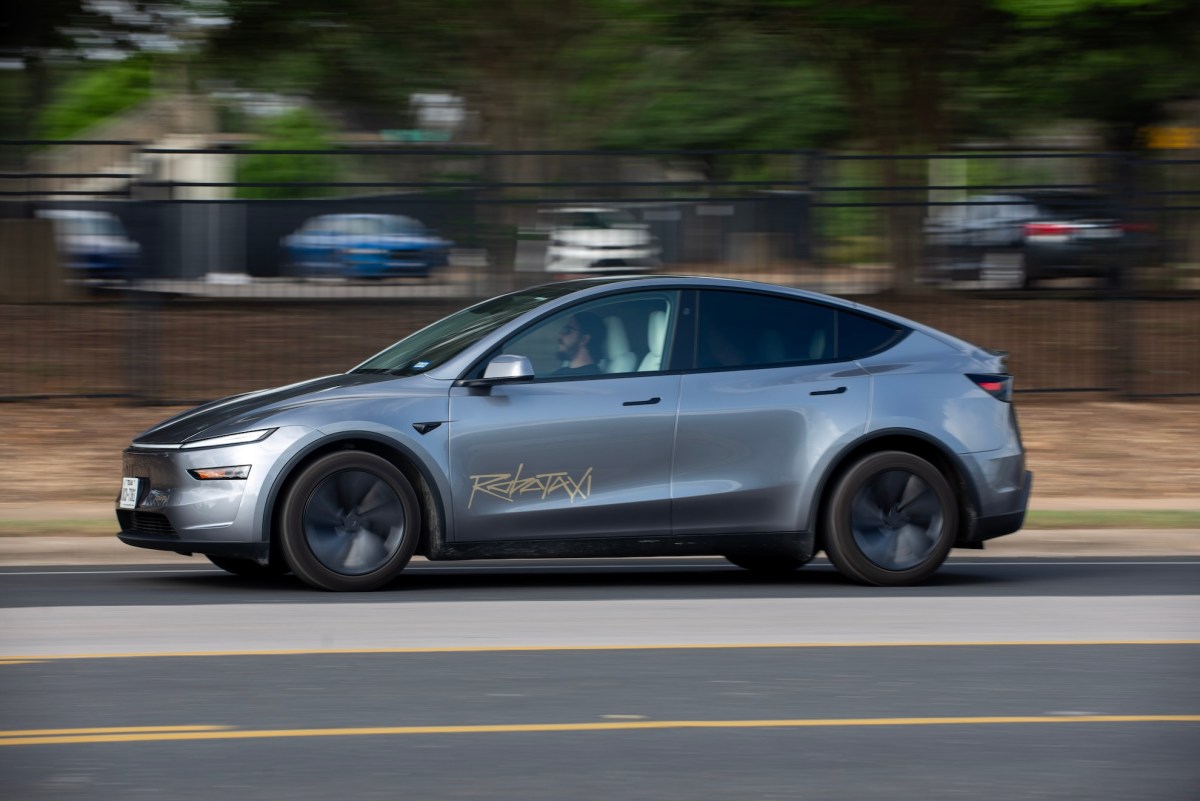
Earlier this week, TechCrunch reported that Tesla activated its driverless robotaxi service for Model Y SUVs in Orlando and Tampa, Florida. This comes right before the company’s Q2 2026 earnings release. While the operational zones are small and the rollout has been slower than CEO Elon Musk promised—he said robotaxis would serve half the US population by the end of 2025—the direction is irreversible.
The most significant detail in the article isn’t the launch itself. It is the proposed rule change from the US Department of Transportation to remove the requirement for brake pedals in autonomous cars. This is a regulatory signal that the infrastructure is being cleared for a fully automated fleet.
Think of a robotaxi not as a car, but as a “delivery node” with perfect execution. It never gets distracted, never takes a wrong turn on purpose, and never argues with the customer. It performs one task perfectly, every single time, at scale. This is the operational standard that is being set.
How This Applies to Your Malaysian SME
Let me be direct. You cannot afford to ignore the logic behind this shift. Here is exactly how this applies to the daily grind of running a business in Malaysia.
1. The Last Mile Problem Is a Systems Problem.
Your biggest logistical headache is likely your human delivery riders. Whether you run a nasi kandar chain or a boutique, riders are hard to manage, unpredictable, and difficult to scale. Tesla’s method removes the human variable entirely by replacing it with software. You cannot do that tomorrow, but you can automate the system that tells your riders what to do. An automated dispatch system can push the nearest rider the most efficient bundle of jobs instead of a staff member shouting orders or juggling multiple WhatsApp groups. You are applying the exact same logic—systematized, efficient workflow management—without needing a single autonomous vehicle.
2. Customer Communication Must Be an Automated Process.
The biggest customer pain point is uncertainty. “Where is my delivery?”. Tesla’s robotaxi system gives a perfectly accurate ETA because a machine controls the route. You can mimic this exact experience right now using automation. When an order is packed, send an automatic WhatsApp. When the rider is assigned, send a tracking link. Set up automated survey requests after delivery. This eliminates the repetitive “check status” phone calls that waste your staff’s time and builds massive trust with your customers.
3. Data Hygiene Is Your Foundation.
A robotaxi is completely useless without a clean digital map and precise operating instructions. Your business is exactly the same. If your inventory is tracked on paper or in someone’s head, an automated future is impossible for you. If your customer addresses are messy, no autonomous service can find them. Start centralizing your inventory data immediately. Make sure your point-of-sale system captures clean data every time. This digital “housekeeping” is the single most important investment you can make right now so that when cheaper automation tools arrive, you are ready to plug them in.
4. The Slow Rollout Is a Gift of Time.
Musk boldly promised half of the US would be covered by the end of 2025. It is 2026, and they are in a handful of carefully mapped Florida suburbs. This reveals how massive the real-world hurdles are. For your SME, this time is precious. Use it to build the operational backbone. Get your internal automation right so you aren’t scrambling later.
Old Way vs. The Automation Mindset
| Process | Manual (Typical SME) | Automated (Robotaxi Mindset) |
|---|---|---|
| Dispatching | Boss assigns job to rider verbally. | System assigns job to the rider based on location and capacity. |
| Routing | Rider decides the best way. | AI bundles orders and generates optimal routes. |
| Customer Updates | Customer calls shop to ask where it is. | System pushes SMS/WhatsApp tracking at every stage. |
| Inventory | Staff checks stock manually. | Real-time dashboard shows stock across locations. |
The robotaxi rollout isn’t a story about cars. It’s a story about handing operational control over to reliable software. Your business can start this transition today, even if your entire fleet is just two motorbikes.
Practical Takeaways You Can Act On Today
- Audit your dispatching process. If your scheduling relies on paper, a whiteboard, or a single person’s memory, you are losing efficiency. Move it to a system that can scale.
- Set up automated customer triggers. Use a simple tool to send an automatic message when the order status changes. Your customers will stop calling, and your staff will get their time back.
- Digitise your inventory view. Can you see exactly how many units you have across all outlets without leaving your desk? If not, start centralizing this data now.
- Clean your address data. Future services need precise locations. Ensure every address captured at checkout is standardized and accurate.
The Bigger Picture: Automation Is the Destination, Not the Car
Tesla’s robotaxi fleet is a high-profile beta test for a world where business execution is perfect, scalable, and software-driven. The companies that thrive in this future won’t necessarily be the largest. They will be the ones with the cleanest data, the most automated workflows, and the lowest dependency on manual heroics.
Do not get distracted by the shiny vehicle. Look at the system that runs it. That system—predictable, automated, and relentless—is the direction your business needs to head. Start watching the trends. Start experimenting with automation in your dispatch and communication. The robotaxi is just a very visible sign of where every business is eventually headed.
Ready to Streamline Your Operations?
Your business should run itself. AutoRunBiz deploys AI agents to automate your daily operations — WhatsApp orders, invoicing, customer follow-ups, and accounting. Book a free 15-min ops audit to see where automation fits your business →