
Why Political Signals Matter to Your Business
Running a Malaysian SME means making decisions before you have complete certainty. You still need to plan staff schedules, manage suppliers, serve customers and decide which opportunities deserve your attention. Political developments may seem separate from daily operations, but they can influence confidence, public spending priorities, regulations and the business environment around you.
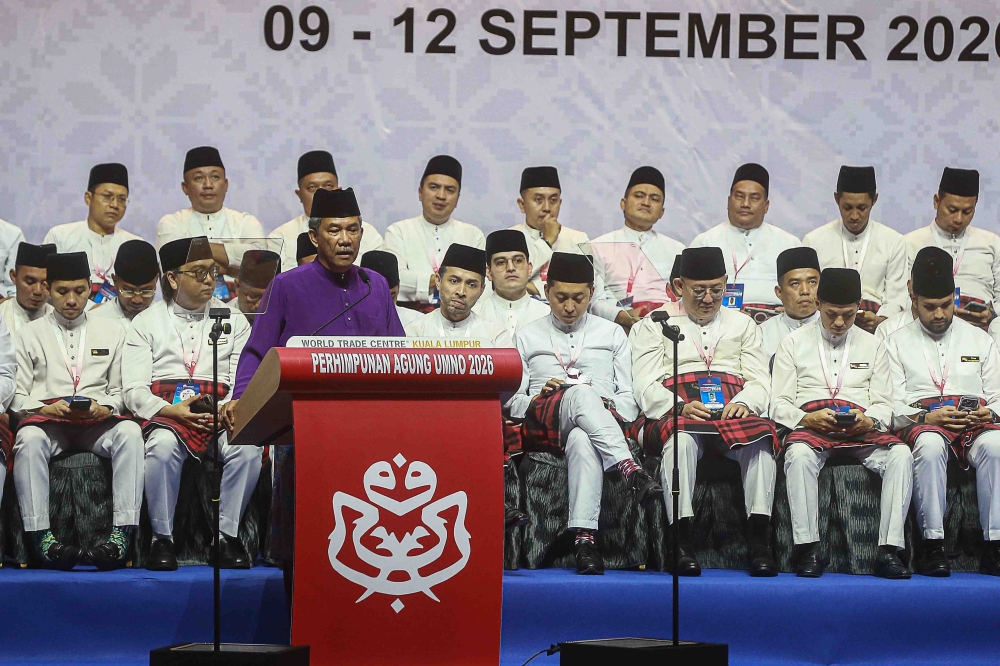
A recent statement by Umno deputy president Datuk Seri Mohamad Hasan highlighted a useful idea for business owners: cooperation should be guided by a clear long-term purpose, rather than short-term political gains. He described “Rumah Bangsa” as a platform for broader Malay interests, while saying Umno would remain with Barisan Nasional instead of forming a new political alliance. Source
You do not need to take a political position to learn from this. The practical lesson is about building a stable business foundation while staying flexible when circumstances change.
TL;DR
Political cooperation may change, but your SME should not depend on one relationship, one customer group or one informal process.
Build your own operating strength, document decisions and use simple automation so your business remains steady when external conditions shift.
What This Means
In plain language, the article describes a balance between having a strong home base and being open to cooperation. Umno says it does not need to create a new alliance, but it remains open to working with other Malay parties when cooperation serves a wider purpose. The party also says it must build its own support base rather than become dependent on others. Source
For your company, the equivalent is straightforward. You should have reliable internal systems, clear responsibilities and accurate business information. At the same time, you should remain willing to work with partners, suppliers, platforms and professional advisers when they help you serve customers better.
The danger is depending too heavily on outside support. If one salesperson knows every customer detail, one supplier handles all urgent orders or one staff member controls your records, your business may appear efficient until that relationship is interrupted. Then delays, confusion and missed follow-ups quickly appear.
Your business should be cooperative without becoming dependent. Build a strong internal foundation first, then choose partnerships that support your long-term direction.
How This Applies to Malaysian SMEs
1. Build your own customer base instead of relying on one channel. Many Malaysian SMEs depend heavily on a marketplace, social media platform, agent network or a single corporate buyer. These channels can be useful, but they can also change their rules, algorithms or purchasing requirements. If your customer records remain scattered across chats, spreadsheets and personal phones, you may struggle to follow up when access changes.
Create a central customer record containing contact details, purchase history, enquiries, service issues and follow-up dates. This does not have to be complicated. A shared customer management system can help your team see what has happened and what needs to happen next. You remain open to different sales channels, but the relationship and information stay within your business.
2. Turn partnerships into clear working arrangements. Cooperation works best when everyone understands the purpose. If you work with a distributor, subcontractor, delivery provider or marketing partner, record the basic operating rules: who receives the enquiry, who confirms the order, who updates the customer and who handles complaints. A simple workflow prevents “I thought you were handling it” problems.
This matters especially for SMEs with between one and 50 employees, where one person often performs several roles. Automation can route a new enquiry to the correct team member, send reminders for unanswered leads and notify a manager when an order is overdue. The system supports cooperation, but it does not replace accountability.
3. Prepare for policy and market changes without overreacting. Political developments can affect public-sector opportunities, industry priorities and customer confidence, but not every announcement requires an immediate change to your business. Separate facts from assumptions. Identify what has actually changed, which customers or suppliers may be affected and what evidence you need before taking action.
Keep a basic business-impact register. For each important external issue, record the possible effect, the person monitoring it, the next review date and the action threshold. This gives you a calm process instead of relying on rumours passed through group chats. It also makes management discussions shorter and more practical.
4. Strengthen your internal “home base”. A business foundation includes accurate records, standard procedures, staff access rules and clear approval limits. If these are missing, growth creates more confusion rather than better performance. You may win new customers, but invoices are delayed, stock information is inaccurate and service requests are forgotten.
Start with the workflows that happen repeatedly: enquiry handling, quotation approval, sales order processing, purchase requests, appointment scheduling, delivery updates and customer complaints. Map each workflow in five steps: trigger, owner, action, approval and completion record. Then automate only the repetitive parts that are clear enough to standardise.
5. Serve different customer communities consistently. The article’s discussion concerns Malay unity and broader community interests. For your business, the useful operational lesson is to understand the different groups you serve without allowing assumptions to replace service quality. Malaysian SMEs often serve customers across language, location, age and cultural backgrounds.
Use customer data responsibly to record preferences that genuinely improve service, such as preferred communication language, delivery timing or product requirements. Avoid collecting information you do not need. A consistent process helps every customer receive timely updates, accurate quotations and proper after-sales support.
Practical Takeaways
- List your five most important business dependencies, such as a major customer, supplier, platform or key employee.
- Assign a backup person for every critical task and document the basic steps.
- Keep customer and supplier records in a shared business system rather than personal devices.
- Set reminders for quotations, renewals, unpaid invoices, service appointments and follow-ups.
- Review your main workflows monthly and remove unnecessary manual handovers.
- Use written approval rules for discounts, refunds, purchases and unusual customer requests.
- Monitor external developments through credible sources, including the original Malay Mail report. Source
- When evaluating a partnership, ask what happens if the partner becomes unavailable.
A Simple SME Resilience Check
| Area | Question to ask | Practical action |
|---|---|---|
| Customers | Can another staff member see the full customer history? | Use one shared customer record |
| Suppliers | Do you have alternatives for essential items? | Maintain an approved backup list |
| People | What happens when a key employee is absent? | Document and cross-train critical tasks |
| Processes | Which work is still tracked through memory or chat? | Create task owners and automated reminders |
| Decisions | Can you explain why a major decision was made? | Keep a short decision and review log |
The Bigger Picture
The long-term lesson is that stability does not mean refusing to cooperate. It means knowing what your organisation stands for, what capabilities must remain under your control and which external relationships genuinely support your objectives. Mohamad Hasan’s speech stressed building Umno’s own strength while remaining open to cooperation; the same principle can guide your business planning. Source
For Malaysian SMEs, this is increasingly important as customers expect faster replies, clearer updates and more dependable service. Manual processes often hide weaknesses because one experienced person remembers what to do. As your team grows, that knowledge must become visible and repeatable.
Automation is useful here when it is applied to a defined process. It can assign tasks, record activity, prompt follow-ups and give you a clearer view of what is happening. The goal is not to automate everything. The goal is to make your business less fragile, so cooperation with others becomes a choice rather than a necessity.
Start with one workflow that affects customers every week. Document it, assign ownership, add reminders and review the results. Then move to the next process. A strong business foundation is built through these small, consistent improvements—not through waiting for perfect certainty.
Ready to Streamline Your Operations?
Your business should run itself. AutoRunBiz deploys AI agents to automate your daily operations — WhatsApp orders, invoicing, customer follow-ups, and accounting. Book a free 15-min ops audit to see where automation fits your business →