
Why Meta Muse Deserves Your Attention
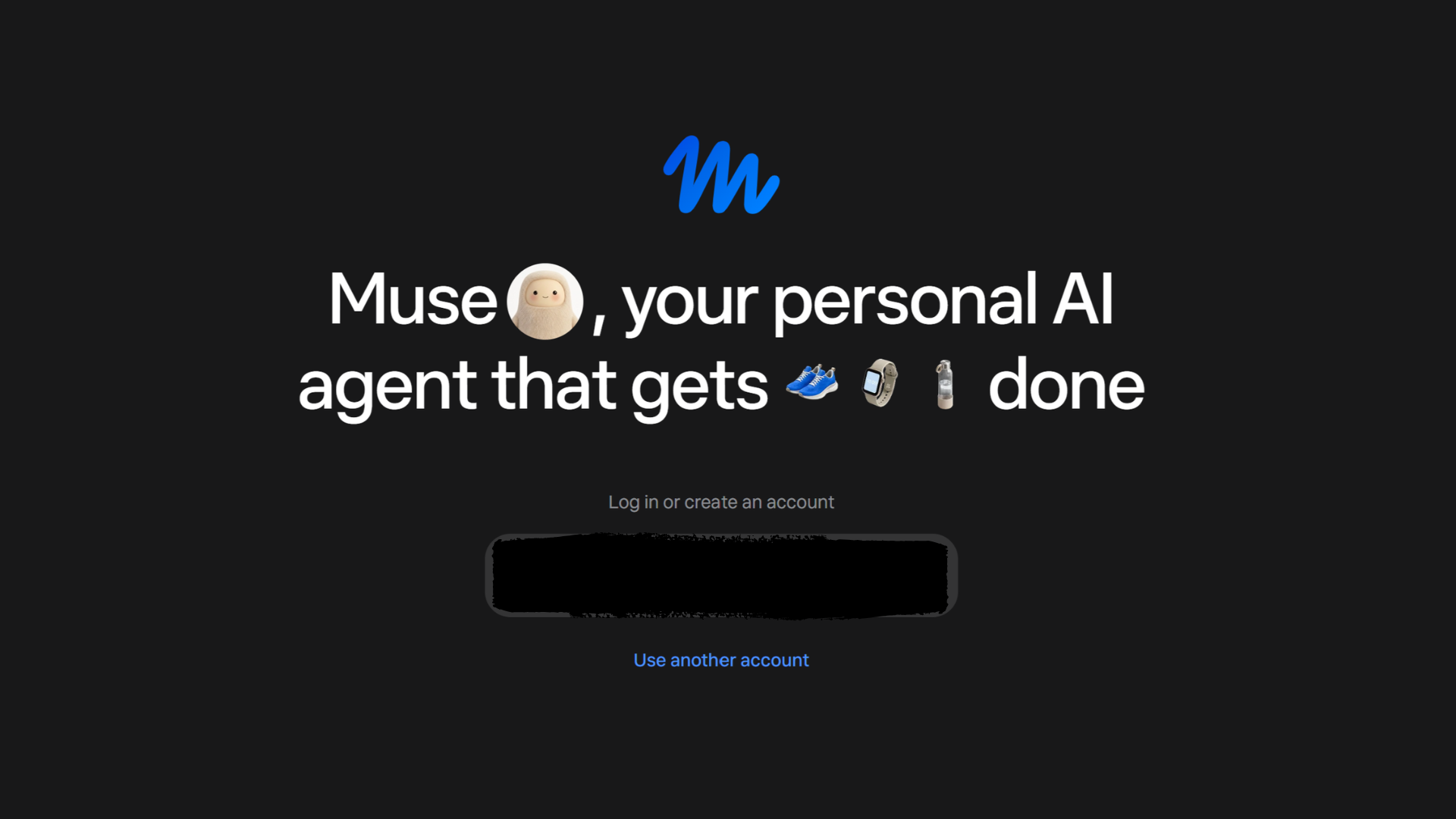
Running a Malaysian SME often means switching between sales enquiries, staff questions, supplier follow-ups, appointments and family responsibilities in the same day. A new personal AI agent from Meta is attracting attention because it promises to do more than answer questions: it aims to help manage everyday tasks and decisions. According to SoyaCincau’s report, Meta has launched Muse as a personal AI agent designed to manage your daily life.
That matters to you because the same idea could change how business software works. Instead of opening five applications, remembering several deadlines and manually copying information between tools, you may eventually be able to tell an AI what needs to happen and let it coordinate the steps. The practical question is not whether you should hand over your whole business to an AI agent. It is where an agent can safely remove repetitive work without taking control away from you.
What Happened
Meta has introduced Muse as a personal AI agent that claims to help manage daily activities, as reported by SoyaCincau. This signals a shift from conventional chatbots, which usually respond to one prompt at a time, towards systems that can understand an ongoing context and assist across multiple tasks.
A conventional chatbot might draft a customer reply after you provide the details. A personal agent could, depending on its connected permissions and capabilities, identify the relevant conversation, prepare a response, suggest a next action and remind you when follow-up is due. The important distinction is orchestration: the AI is expected to help connect tasks rather than simply produce text.
However, a claim is not the same as a guarantee. You still need to check what Muse can actually access, which services it supports, whether it can take actions or only make recommendations, and how your information is handled. The source article identifies the product and its ambition, but your business should evaluate real features, controls and reliability before depending on it.
Why This Matters for Malaysian SMEs
For a Malaysian SME with one to 50 employees, administrative work can easily become a hidden bottleneck. A service business may receive enquiries through WhatsApp, Instagram, Facebook and its website. A retailer may coordinate stock with suppliers while answering customers. A small professional firm may need to organise meetings, prepare documents and chase approvals. When one person carries all this context, missed follow-ups become a business risk.
An agent like Muse could be useful as a front-line organiser. You might ask it to summarise open customer conversations, group urgent requests, prepare follow-up drafts in English or Bahasa Malaysia, and create a daily task list. For a local food supplier, it could help separate delivery questions from product enquiries. For a renovation company, it could organise site-visit requests and identify customers waiting for quotations. You remain responsible for checking the details and approving any external communication.
Malaysia’s multilingual business environment makes context especially important. Your customers may mix Bahasa Malaysia, English, Mandarin or Tamil in the same conversation. An AI assistant may help prepare clearer replies, but you should review names, measurements, dates, delivery locations and industry terminology. A polished response with one wrong detail can still damage trust.
There is also a useful role in internal coordination. You could use an agent to turn meeting notes into assigned actions, remind team members about outstanding items and create a concise handover when someone is on leave. This is particularly valuable when your processes are stored in individual employees’ memories rather than in a shared system.
Practical SME Use Cases
| Business area | Possible AI-agent role | Your control point |
|---|---|---|
| Customer enquiries | Summarise conversations and draft replies | Approve facts, tone and commitments |
| Appointments | Suggest schedules and prepare reminders | Confirm availability before booking |
| Sales follow-up | Identify leads with no recent response | Decide the next action and timing |
| Operations | Convert notes into tasks and handovers | Assign owners and verify deadlines |
| Content work | Prepare social captions and campaign ideas | Check claims, brand voice and compliance |
How You Can Prepare Now
You do not need to wait for a perfect personal agent before improving your workflow. Start by listing repetitive tasks that follow a clear pattern. Good candidates include daily enquiry summaries, appointment reminders, quotation follow-ups, meeting action lists and weekly management reports. Avoid beginning with tasks involving sensitive employee records, confidential customer information or irreversible decisions.
Next, create a simple information structure. Keep customer names, status, next action and due date in one approved location. If your data is scattered across personal chats, spreadsheets and notebooks, an AI agent will struggle to produce reliable results. Automation works best when the underlying process is consistent.
Set clear approval rules. An AI may prepare a quotation, but you should approve prices and terms. It may draft a staff message, but a manager should review sensitive issues. It may suggest a customer response, but nobody should promise stock, delivery or refunds without verification. These controls help you gain speed without surrendering accountability.
The best first use of an AI agent is not “run my whole business”. It is “show me what needs attention, prepare the next step and wait for my approval”.
The Bigger Picture
Meta’s Muse points towards a broader change in business technology: the interface may move from individual apps to conversation and intent. Instead of learning every button in a customer relationship system, calendar or task platform, you may describe the result you want and let an agent coordinate the workflow. The value will depend less on impressive demonstrations and more on permissions, integrations, audit trails and dependable results.
For Malaysian SMEs, this could narrow the gap between small teams and larger competitors. A business with a few employees may be able to maintain more consistent follow-up, faster responses and better internal coordination. But productivity gains will not come from buying access alone. You will need documented processes, clean data and staff who understand when to trust an AI suggestion and when to question it.
Privacy also deserves attention. Before connecting any agent to business accounts, review its data controls, user permissions, retention policies and account recovery process. Limit access to only what the agent needs. Separate personal and business accounts where possible, and create a simple record of actions taken by automation. These steps are important whenever customer, supplier or employee information is involved.
The most sensible approach is a controlled pilot. Choose one workflow, define a measurable outcome, involve the staff who perform the task and review the results weekly. For example, you might test whether enquiry summaries help your team respond more consistently. If the agent makes repeated mistakes, adjust the process or stop using it for that task.
What You Should Do Next
- Choose one repetitive workflow that causes regular delays.
- Document the information, approval and handover steps.
- Test an AI assistant with non-sensitive examples first.
- Require human approval for messages, commitments and transactions.
- Review privacy settings and access permissions before connecting accounts.
- Track accuracy, response time and staff effort during the pilot.
Meta Muse may or may not become the everyday assistant it claims to be, but its arrival highlights a direction you should watch. AI is moving towards managing context, tasks and follow-through, not merely generating answers. For your SME, the opportunity is practical: identify the work that repeatedly consumes attention, automate the safe parts and keep important decisions firmly under human control.
Ready to Streamline Your Operations?
Technology moves fast. Your operations should keep up. AutoRunBiz builds AI systems that run your daily workflows — from WhatsApp order capture to accounting. Book a free 15-min ops audit →