
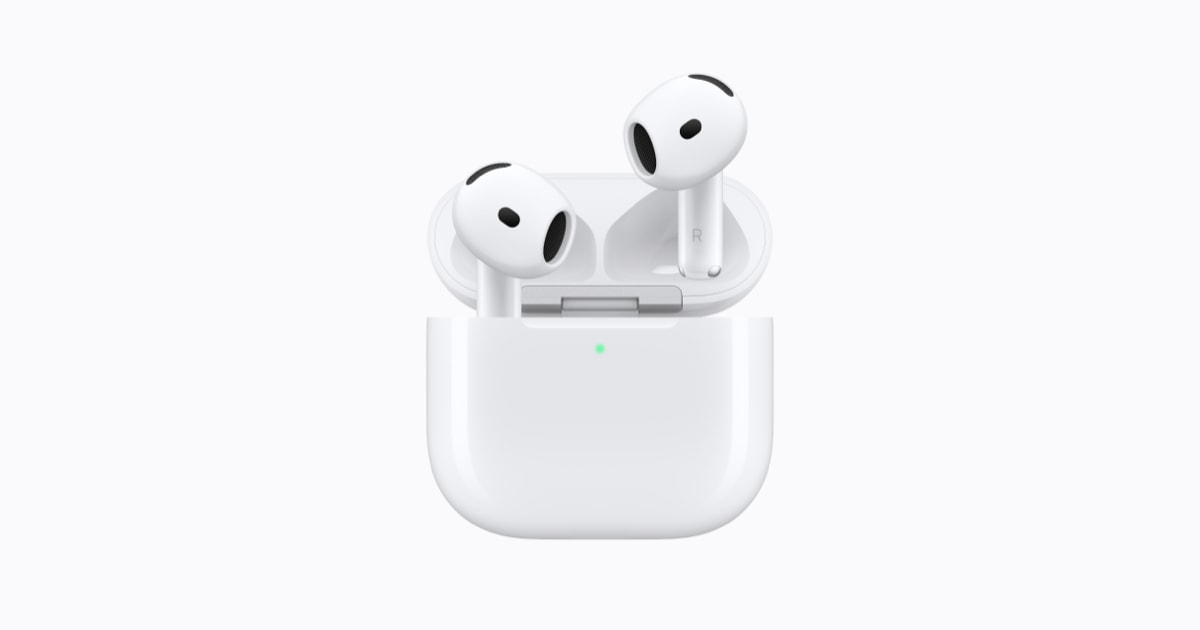
Why AirPods 5 Matter Beyond Better Sound
Apple’s new AirPods 5 may look like another consumer gadget launch, but the business story is more important: everyday hardware is becoming an interface for artificial intelligence, translation, voice commands and hands-free work. For Malaysian SME owners, that could affect how your team handles customer calls, site visits, multilingual conversations, sales follow-ups and daily administration.
Apple announced AirPods 5 on September 9, 2026, with open-ear Active Noise Cancellation, improved sound, hands-free Siri AI and Live Translation. Apple says the new model removes up to 50 percent more external noise than AirPods 4 with Active Noise Cancellation, while still offering a Transparency mode for nearby voices and sounds. Source: Apple Newsroom
The bigger lesson for you is not whether your business should immediately buy new earphones. It is whether your workflows are ready for employees to access business information, capture notes and communicate across languages through voice. Technology that used to sit in a meeting room or office computer is moving into devices people wear throughout the day.
What Happened
Apple says AirPods 5 feature an open-ear design with industry-leading Active Noise Cancellation, a new multiport acoustic architecture and next-generation Adaptive EQ. The company also says the headphones provide an improved Transparency mode, Adaptive Audio that blends noise cancellation and ambient sound, and Conversation Awareness that lowers media volume when the wearer begins speaking. Source: Apple Newsroom
For business use, the more significant announcement is the integration with Apple Intelligence and Siri AI. On supported iPhones and operating systems, users can ask Siri to work with personal context, messages, emails, photos and apps. Apple gives examples such as playing a song mentioned in a message or navigating to a dinner reservation found in an email. Users can also respond to Siri using head gestures, including nodding or shaking their head. Source: Apple Newsroom
Apple also highlighted Live Translation, which can help users hear conversations in their preferred language after setting up the Translate app and downloading the relevant languages. The feature can be started through Siri, the AirPods stems or the iPhone Action button. Apple says the capability is available across the AirPods lineup when used with compatible Apple Intelligence features. Source: Apple Newsroom
Why This Matters for Malaysian SMEs
Malaysia’s business environment is naturally multilingual. You may serve customers and work with suppliers who communicate in Bahasa Malaysia, English, Mandarin, Tamil or other languages. A translation feature will not replace a trained interpreter or careful human review, but it could help during an initial conversation, product demonstration, delivery discussion or overseas call. A small trading company, for example, could use voice tools to clarify a supplier’s question before sending a formal written confirmation.
Noise control is also relevant to Malaysian working conditions. Your staff may work from cafés, shared offices, warehouses, workshops, retail floors, vehicles or customer premises. Open-ear noise cancellation could help a salesperson focus during a video call while maintaining awareness of nearby colleagues and safety announcements. The important point is to use the right mode for the environment: noise cancellation for concentration, Transparency mode for active workplaces, and no headphones at all where full attention is required.
Voice access may also reduce administrative friction. A business owner travelling between client appointments could dictate a follow-up reminder, ask for a message to be located, or trigger an action in a compatible app without stopping to type. A field technician could capture a spoken note after inspecting equipment. A retail manager could record a stock issue while moving around the shop. These small moments can add up when your team is spending less time switching between apps and more time serving customers.
For an SME, the practical value of wearable AI is not novelty. It is the removal of small delays between noticing something, recording it and acting on it.
Potential SME use cases
| Business activity | Possible use | Important safeguard |
|---|---|---|
| Sales visits | Dictate follow-up notes after a meeting | Review accuracy before updating customer records |
| Customer service | Use translation support during initial enquiries | Confirm product, delivery and compliance details in writing |
| Field operations | Record job observations while hands are occupied | Do not use headphones when safety awareness is required |
| Management | Retrieve reminders or messages by voice | Apply device access controls and keep business data private |
What You Should Check Before Adopting It
First, check compatibility. Apple states that full functionality requires AirPods 5 to be paired with an Apple device running the latest operating system software. Apple Intelligence is also limited to supported devices and languages. Source: Apple Newsroom Before making a workplace decision, list the iPhone models, operating systems, business apps and languages your team actually uses.
Second, create a simple usage policy. Employees should know when voice assistants may be used, which information must not be spoken aloud, and how recordings or transcriptions are handled. Do not allow staff to dictate confidential customer data in public places without understanding the privacy implications. You should also explain that AI-generated translations, summaries and responses require human checking before they are sent to customers or suppliers.
Third, run a small pilot rather than changing everyone’s workflow immediately. Choose two or three employees from different roles. Test a customer call, a site note, a multilingual enquiry and a follow-up task. Measure whether the device saves time, improves documentation or creates new errors. The goal is not to collect more gadgets; it is to improve a specific business process.
The Bigger Picture
AirPods 5 show how AI is becoming less dependent on screens. The next phase of business automation will involve employees speaking naturally to systems while walking, driving between appointments, checking stock or meeting customers. For Malaysian SMEs, this could make automation more accessible to people who do not spend their day at a desk.
However, convenience does not equal readiness. Your business still needs clean customer records, clear approval processes and reliable operating procedures. If information is scattered across personal chats, spreadsheets and disconnected apps, a voice interface may simply make the confusion faster. Start by standardising where tasks, customer details and follow-ups are recorded.
Apple says AirPods 5 also include improved dust, sweat and water resistance, while the Wireless Charging Case model offers up to five hours of playback with Active Noise Cancellation on one charge and up to 22 hours with the case. Source: Apple Newsroom Those specifications may matter for mobile teams, but they should come after workflow fit, privacy and compatibility.
Your best next step is straightforward: identify one repetitive task that happens away from a desk, such as capturing sales notes or translating an initial customer conversation. Test whether hands-free AI makes that task faster and more accurate. If it does, build a controlled process around it. If it does not, you have avoided adopting technology simply because it is new.
Ready to Streamline Your Operations?
Technology moves fast. Your operations should keep up. AutoRunBiz builds AI systems that run your daily workflows — from WhatsApp order capture to accounting. Book a free 15-min ops audit →