
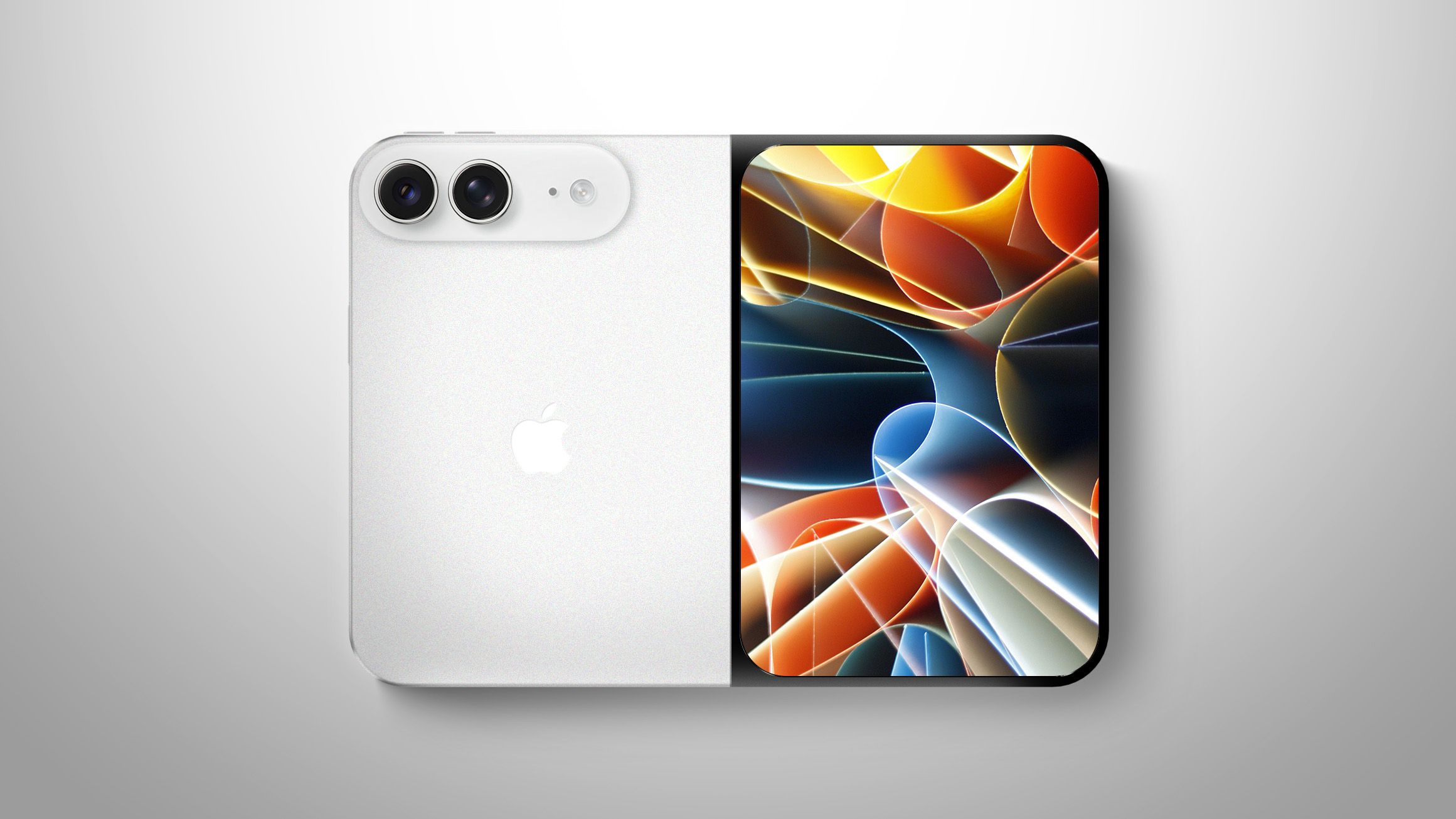
A premium phone trend that deserves your attention
If you run a Malaysian SME, you may not be planning to buy a foldable iPhone. That is understandable. Your priorities are likely customer follow-ups, staff coordination, stock movement, invoices, and keeping daily operations on track—not testing an expensive new device.
Still, major device launches can affect how customers, staff, and business partners communicate with you. Apple is reportedly preparing a foldable device called the iPhone Duo, with an expected starting price of US$2,000 and higher-capacity versions reaching roughly US$3,000, according to MacRumors. The report says availability could begin as early as October, although production challenges may affect timing.
TL;DR: A foldable iPhone is unlikely to change your SME overnight, but it may influence customer expectations around mobile work, product presentation, and premium service. Use the trend as a prompt to improve your mobile workflows—not as a reason to buy new devices immediately.
What This Means
A foldable phone combines a compact device with a larger screen that opens like a small tablet. The reported iPhone Duo is expected to focus on a dual-screen design, with a magnetic hinge system, Apple Pencil support, dual 48-megapixel rear cameras, a 12-megapixel front camera, and Apple’s next-generation A20 Pro chip, based on details reported by MacRumors.
For business owners, the important point is not the specifications alone. The larger question is how employees and customers may use larger mobile screens. A sales representative could show a product catalogue while keeping notes visible. A manager could review a dashboard without carrying a laptop. A consultant could display documents during a client meeting and still use the device as a phone when the meeting ends.
However, you should separate device capability from business value. A wider screen will not fix slow approvals, duplicated data entry, unclear responsibilities, or missed follow-ups. If your processes are messy on a normal phone, they will usually remain messy on a foldable phone.
The useful question is not “Should I buy the newest phone?” It is “Which business task would become simpler if staff had a larger mobile workspace?”
How This Applies to Malaysian SMEs
1. Retail and product-based businesses
If you operate a boutique, furniture shop, electronics outlet, renovation business, or online store, your team often needs to move between product details, customer messages, photos, and order information. A larger foldable screen could make it easier for a salesperson to show product images on one side while checking specifications or availability on the other.
That does not mean you need to replace every staff phone. Instead, review the customer journey. Can your team quickly locate product information? Are photos stored in an organised system? Can a salesperson check order status without asking another employee? If the answer is no, improve the catalogue, shared workspace, and order process first. The device should support a clear workflow, not compensate for a missing one.
2. Service businesses and field teams
Air-conditioning contractors, maintenance companies, cleaning services, inspection teams, and repair businesses often work away from the office. Staff may need to view job details, capture before-and-after photos, collect customer confirmation, and update job status while standing at a site.
A larger mobile display may help a technician read instructions or complete a digital checklist more comfortably. A supervisor could review several job details without switching between multiple apps. But the biggest productivity gain usually comes from standardising the information collected: customer name, location, assigned staff, work completed, parts used, follow-up date, and approval status.
You can prepare for this trend by ensuring your forms work well on different screen sizes. Use large buttons, short fields, clear labels, and photo uploads. Avoid forms that require constant zooming or horizontal scrolling. These improvements benefit staff using ordinary smartphones as well as future foldable devices.
3. Professional services and client-facing work
Accountants, insurance advisers, property agents, recruiters, trainers, and consultants frequently present information from a phone. A foldable screen could make it easier to review a proposal, compare options, or display a report during a discussion.
For a Malaysian SME, presentation quality matters, but consistency matters more. Make sure your documents are easy to read on mobile devices, use current branding, and do not expose internal notes or confidential information when sharing a screen. You should also establish a simple rule: customer-facing documents must come from an approved folder or system rather than personal chat histories.
A premium device may create a polished impression, but a clear proposal, fast response, and accurate follow-up will influence the customer much more. Treat the phone as a presentation tool—not the service itself.
4. Distributed teams and owner-managed businesses
Many SME owners handle operations while travelling between suppliers, outlets, customer sites, and home. A foldable phone could make it easier to review approvals, monitor tasks, and respond to urgent matters without opening a laptop.
Before considering new hardware, list the tasks you regularly perform away from your desk. You may discover that the real need is a mobile-friendly approval process, a central task list, automated reminders, or a shared customer record. Once these systems are in place, any suitable phone can become more useful.
What the reported details suggest
| Reported detail | Possible SME relevance | What you should do now |
|---|---|---|
| Starting price of US$2,000 | Likely positioned as a premium business device | Evaluate tasks and workflow needs before considering adoption |
| Up to roughly US$3,000 for higher capacity | Different versions may suit different work requirements | Identify whether storage, camera, screen, or durability matters most |
| Possible October availability | Early availability may be limited or uncertain | Do not base an operational rollout on an unconfirmed launch schedule |
| Dual-screen foldable design | May support document review and multitasking | Test whether your key apps display properly on larger screens |
| Apple Pencil support reported | Could assist annotations, signatures, or visual explanations | Check whether your existing forms and document tools support annotation |
The reported pricing and specifications come from MacRumors. Treat these details as reported information rather than confirmed purchasing guidance until Apple announces the product officially.
Practical Takeaways
- Audit your mobile workflows. List the tasks staff complete outside the office and identify where delays happen.
- Make forms device-friendly. Use short forms, clear fields, and simple photo-upload steps.
- Test your business apps. Check how your accounting, CRM, inventory, booking, and messaging tools behave on different screen sizes.
- Protect customer information. Use access controls, screen-lock policies, and approved storage locations for business documents.
- Create a device policy. Decide which roles genuinely need premium hardware and which can use existing company devices.
- Measure results. Track response time, completed jobs, follow-up completion, and approval delays before and after any device change.
- Keep processes platform-neutral. Your business should continue operating if an employee uses Android, iPhone, tablet, or laptop.
- Train staff on the workflow. A short guide for updating tasks and customer records is often more valuable than new hardware.
The Bigger Picture
Foldable phones point towards a gradual change in how people work on the move. The gap between a phone and a small tablet is becoming less obvious. As screens become more flexible, employees may expect to review documents, manage customer conversations, and complete approvals without returning to a desk.
That does not mean every SME needs foldable devices. Adoption should follow a clear business need. If your team spends most of the day at a counter, workshop, office, or vehicle, a standard phone may remain the most practical option. If your staff regularly present documents, inspect sites, or manage multiple information sources while travelling, a larger mobile workspace may deserve testing.
The broader lesson is to design your operations around accessible information rather than a particular brand of hardware. Keep customer records organised. Make approvals easy to track. Ensure documents are readable on mobile screens. Give staff a consistent way to update work status. These improvements will help whether or not the iPhone Duo reaches Malaysia on schedule.
For you as an SME owner, the right response is not to chase every premium device launch. Watch how your customers and employees work, identify the friction, and improve the process that causes it. If a foldable phone eventually makes one of those processes faster or clearer, consider a small pilot with the roles that will benefit most. If it does not, your improved workflow will still serve the business.
Ready to Streamline Your Operations?
Your business should run itself. AutoRunBiz deploys AI agents to automate your daily operations — WhatsApp orders, invoicing, customer follow-ups, and accounting. Book a free 15-min ops audit to see where automation fits your business →