
Meta’s Muse Shows Why AI Agents Need More Than Clever Answers
AI is moving from answering questions to taking action. Meta’s newly announced Muse personal AI agent is designed to connect with email, calendars, payments, shopping, travel, health, smart-home and other services so it can complete tasks for users. That direction matters to you as a Malaysian SME owner because the same technology could soon handle customer follow-ups, appointment bookings, supplier coordination, document forms and daily administration.
However, the biggest lesson is not simply that AI agents are becoming more capable. It is that capability creates a trust and control problem. When software can draft a reply, it is useful. When it can send the reply, access a calendar, fill in a form or make a purchase, you need clear permission boundaries, audit trails and a way to stop it.
Meta’s announcement is therefore relevant even if Muse is initially aimed at consumers in the United States. Your team may soon use similar agents through WhatsApp, email platforms, browsers or business software. Before that happens, you need to decide which tasks an agent may perform, which information it may see and when a human must approve the action.
What Happened
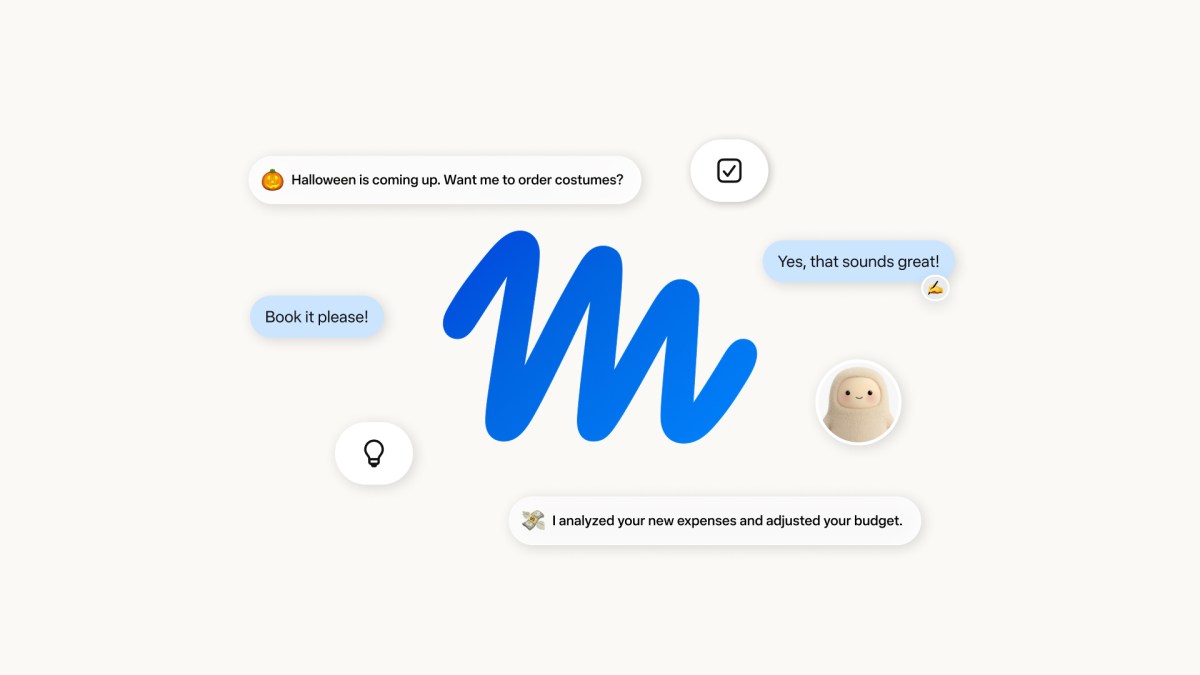
According to TechCrunch, Meta introduced Muse as a personal AI agent that can work across connected apps and services. The company says users can link services one at a time, while the agent can help with tasks such as sending emails, booking travel, lowering bills, completing forms, creating plans, turning recipe videos into grocery lists, sending invitations and making purchases.
Muse is powered by Meta’s Muse Spark model and is expected to operate through the web, iOS, Android and WhatsApp, with support for Meta’s AI glasses planned later. The agent can continue working after the user leaves the app and can learn from conversations to make suggestions. Meta also says users will be able to customise the agent’s name, avatar, communication style and settings. These product details are reported by TechCrunch.
The trust question comes from the breadth of access required. Meta says Muse uses a dedicated secure virtual machine and that its separate Sentinel agent is isolated at the system level. The company also claims Muse will not see passwords or payment methods and that conversations and data will not be shared with its advertising systems, as described in the source report. Those claims still need careful examination by security professionals, especially because Meta has faced previous privacy and data-protection controversies documented by TechCrunch.
Why This Matters for Malaysian SMEs
For a Malaysian SME, an AI agent could be especially useful in the repetitive work that consumes your team’s attention. A service business might use one to read WhatsApp enquiries, check available appointment slots and prepare a reply. A wholesaler could use an agent to compare incoming purchase orders with inventory records and flag missing information. A professional-services firm might use it to organise meeting notes, prepare follow-up emails and remind clients about documents.
These use cases sound practical, but they involve sensitive business information. Customer names, phone numbers, addresses, order details, employee records, supplier terms and tax documents should not be exposed casually. If an agent connects to your email, cloud drive, accounting platform or customer relationship system, a mistake could affect more than one message. It could send confidential information to the wrong person, change a booking, approve an order or create an inaccurate record.
WhatsApp is another important consideration for local businesses. Many Malaysian SMEs already use WhatsApp as a front desk for sales and support. An agent that can respond instantly may improve speed, but it also needs rules for Bahasa Malaysia, English, Chinese or Tamil conversations, local public holidays, delivery areas and customer expectations. It should know when a question involves a refund, complaint, legal issue or unusual request that requires a human response.
The right question is not “Can this AI do the task?” It is “What is the most it may do without human approval?”
You should also consider consent and accountability. If a staff member allows an agent to access a shared inbox, who owns the permission when that employee leaves? If the agent sends an incorrect quotation, can you identify which instruction, document or conversation caused it? If customer information is processed by an external provider, has your business reviewed the provider’s data practices and internal access controls?
Practical controls before giving an AI agent access
| Area | Recommended SME control |
|---|---|
| Access | Connect only the apps required for one specific workflow. |
| Permissions | Start with read-only access before allowing sending, editing or purchasing. |
| Approval | Require human confirmation for refunds, contracts, payments and sensitive messages. |
| Records | Keep logs showing what the agent received, suggested and completed. |
| Testing | Run the agent on sample or low-risk cases before using live customer data. |
| Exit plan | Document how to revoke access, remove stored data and disable the workflow. |
The Bigger Picture
Muse is part of a wider shift from conversational AI to agentic software. Other technology companies are exploring AI browsers, assistants inside messaging services and tools that can complete multi-step tasks. The important change is that the system is no longer waiting for you to ask every question. It may plan, act, monitor progress and return later with an update.
That can make a small team more responsive without adding another layer of manual administration. Yet it also changes how you should evaluate software. Accuracy is only one requirement. You must assess the agent’s permissions, behaviour under uncertainty, data retention, security design, escalation process and ability to explain its actions.
Do not begin by asking an agent to run your entire operation. Choose one process with a clear beginning and end, such as classifying enquiries, preparing draft replies or reminding customers about appointments. Measure whether it reduces delays and whether staff can easily review its work. Keep payment approvals, employee decisions, legal commitments and sensitive customer communications under human control until the system has earned confidence.
Meta’s Muse announcement makes the future feel close, but you do not need to rush into full automation. Start with a workflow map: list the tasks your team repeats, the systems involved, the data used and the consequences of an error. Then select the lowest-risk task for a controlled pilot.
For Malaysian SMEs, the winning approach will not be giving an AI agent unlimited access. It will be designing a dependable partnership between people and software, where the agent handles routine work, your team reviews important decisions and every permission can be checked or withdrawn. Useful automation should make your business faster without making accountability disappear.
Ready to Streamline Your Operations?
Technology moves fast. Your operations should keep up. AutoRunBiz builds AI systems that run your daily workflows — from WhatsApp order capture to accounting. Book a free 15-min ops audit →