
When Delays Start Affecting Your Business
If your business depends on deliveries, field technicians, sales visits, customer appointments or staff travelling between locations, traffic is not just a commuting problem. A crash, road closure or sudden congestion can quickly become a missed appointment, a frustrated customer and a team that spends too much time reacting to surprises.
Many Malaysian SME owners already rely on phone calls and messaging groups to handle these disruptions. Those tools are useful, but they usually tell you what has already happened. The more valuable capability is knowing about a problem early enough to change the plan.
TL;DR: A new AI-powered traffic centre covering BESRAYA, NPE and LEKAS shows how real-time monitoring can improve incident detection and response. You can apply the same principle to your SME by collecting live operational information, setting clear alerts and giving staff simple response procedures.
The lesson is not that every small business needs a sophisticated control room. It is that timely information, connected systems and clear decisions can reduce avoidable disruption.
What This Means
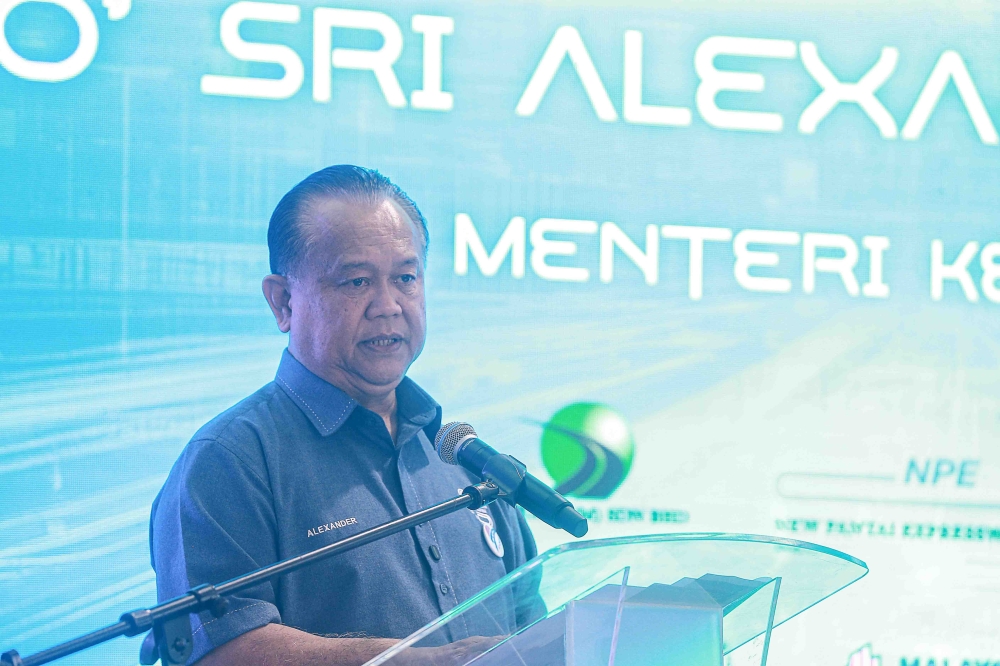
A smart traffic centre combines cameras, video analysis, number-plate recognition, digital message signs and human operators in one operating environment. The centre launched for three Klang Valley highways uses 144 CCTV cameras, 87 Video Incident Detection System units, 35 Automatic Number Plate Recognition units and 22 variable message signs. Malay Mail reported these figures.
In plain language, the system watches many locations at once, identifies unusual situations and helps the operations team decide what to do. It may detect a stopped vehicle, an obstruction, unusual traffic movement or another incident. People still verify the situation and coordinate the response. The technology supports the team; it does not remove the need for judgement.
This approach matters because response time often depends on how quickly information moves from the front line to the person making the decision. If a driver notices a blockage but the office hears about it 30 minutes later, your options are already narrower. If the information arrives immediately, you may reroute another vehicle, update a customer or reschedule a job before the problem grows.
The national context is significant. The Works Minister said 26,675 accidents were recorded on Malaysian tolled expressways in 2025, including 839 fatality cases, according to the same Malay Mail report. The article also stated that 85.4 per cent of those accidents were attributed to human factors. These figures do not mean software can prevent every incident. They do show why better visibility, safer decisions and faster coordination deserve attention.
Key insight: The value of AI is not simply spotting a problem. It is helping your team notice the problem early enough to make a better decision.
How This Applies to Malaysian SMEs
1. Delivery and distribution businesses
If you operate a bakery delivery service, spare-parts distribution company, catering business or online fulfilment operation, your daily schedule may involve multiple drivers and changing traffic conditions. You do not need highway-scale infrastructure to improve visibility. Start with a shared dispatch dashboard that shows assigned jobs, current status, expected arrival time and exceptions such as “vehicle delayed” or “customer unavailable”.
When a driver reports a delay through a standard form or mobile update, the person coordinating operations can immediately review the remaining schedule. The next action might be contacting the customer, assigning a nearby driver or changing the delivery sequence. The important improvement is replacing scattered updates with one reliable view of the day.
2. Service and maintenance companies
Air-conditioner servicing, plumbing, electrical, security-system and equipment-maintenance businesses often promise arrival windows. A technician stuck in traffic affects not only one customer but every appointment after it. You can create a simple alert workflow: when a technician is delayed beyond a defined threshold, the office receives an alert, the customer gets an update and the scheduler checks whether the next job needs reassignment.
This is the SME version of incident management. You are not trying to predict everything. You are making sure that a known disruption triggers the same sensible actions every time. That reduces dependence on one experienced dispatcher remembering what to do.
3. Retail, food and multi-branch businesses
If you manage several outlets, traffic and staffing changes can affect stock transfers, opening routines and urgent replenishment. A central operations view can combine branch updates, delivery status and stock exceptions. For example, if a branch reports that a key item is running low and the planned transfer vehicle is delayed, the manager can decide whether to arrange another transfer, recommend an alternative item or adjust ordering instructions.
Malaysia’s road network carries more than six million vehicles daily on Peninsular Malaysia’s expressways, according to Malay Mail. Your business does not need to monitor all that traffic. You only need visibility over the routes, people, vehicles and customer commitments that affect your operation.
4. Construction and field-project teams
For contractors, renovation firms and project-based SMEs, late arrival of workers or materials can interrupt an entire site. Use a daily readiness check covering transport, materials, access approval and responsible personnel. If any item is marked as a risk, the project coordinator receives an alert before the team leaves the office.
This creates a small but useful control centre for your projects. It brings together information that might otherwise sit in separate WhatsApp chats, spreadsheets and phone conversations.
Practical Takeaways
- Map your disruption points: List the events that most often affect customers, such as traffic delays, vehicle breakdowns, missed handovers, stock shortages or staff absence.
- Choose three to five live indicators: Track items such as job status, vehicle location, delivery delay, unresolved customer issue or stock exception.
- Set alert thresholds: Decide what requires immediate action. For example, an appointment delay beyond a defined period should trigger customer communication.
- Create a response playbook: Write the first three actions for each common disruption. Keep the instructions short enough for a busy employee to follow.
- Use one source of truth: Avoid making staff search through multiple chats to discover the latest status. A shared dashboard or structured workflow is easier to manage.
- Keep a human approval step: Automated alerts can identify unusual situations, but a responsible person should confirm important decisions.
- Review the data weekly: Record how often delays occur, how quickly your team responds and where handovers fail.
- Protect personal information: Give staff access only to information they need, especially when using location data, customer records or vehicle identifiers.
A Simple SME Control Centre
| Area | What to monitor | Action trigger |
|---|---|---|
| Deliveries | Assigned job and arrival status | Delay beyond the customer window |
| Field service | Technician availability and route | Technician cannot reach the next job |
| Inventory | Critical items and transfer status | Stock falls below your operating limit |
| Customer support | Open cases and response time | Issue remains unresolved past its target |
| Safety | Vehicle checks and incident reports | Missing check or reported hazard |
The table is a starting structure, not a requirement to buy a complex platform. You can begin with a form, a shared sheet, automated notifications and a clear owner for each alert. Improve the process after you see where information gets stuck.
The Bigger Picture
The smart-highway initiative supports the Malaysia ITS Roadmap 2030, which focuses on intelligent transport systems, real-time analytics and smart mobility solutions, as reported by Malay Mail. For SMEs, the broader direction is clear: operations will increasingly depend on connected information rather than isolated manual updates.
This does not mean every employee must become technical. It means business owners should become clearer about what needs to be known, who needs to know it and what action should follow. The companies that benefit most will usually be the ones with simple processes, clean records and clearly assigned responsibilities.
The road safety programme mentioned in the article also used virtual reality to teach students safer motorcycle habits, with the programme targeting school students because 80 per cent of fatalities involve motorcyclists, according to Malay Mail. The business lesson is relevant: technology works best when it changes behaviour, not merely when it produces more data.
For your SME, start with one recurring operational problem. Make the status visible, define the alert and document the response. Once that works, connect the next process. Over time, you will have a more responsive business that can handle disruption with less confusion and fewer last-minute calls.
Ready to Streamline Your Operations?
Your business should run itself. AutoRunBiz deploys AI agents to automate your daily operations — WhatsApp orders, invoicing, customer follow-ups, and accounting. Book a free 15-min ops audit to see where automation fits your business →