
When Haze Disrupts Your Business, “Wait and See” Is Not a Plan
If you run a small business in Malaysia, haze can affect much more than outdoor visibility. Staff may struggle with breathing, customers may avoid travelling, deliveries may slow down, and field work may become unsafe. Even if your premises are far from Serian, smoke conditions can change with wind direction and hotspot activity.
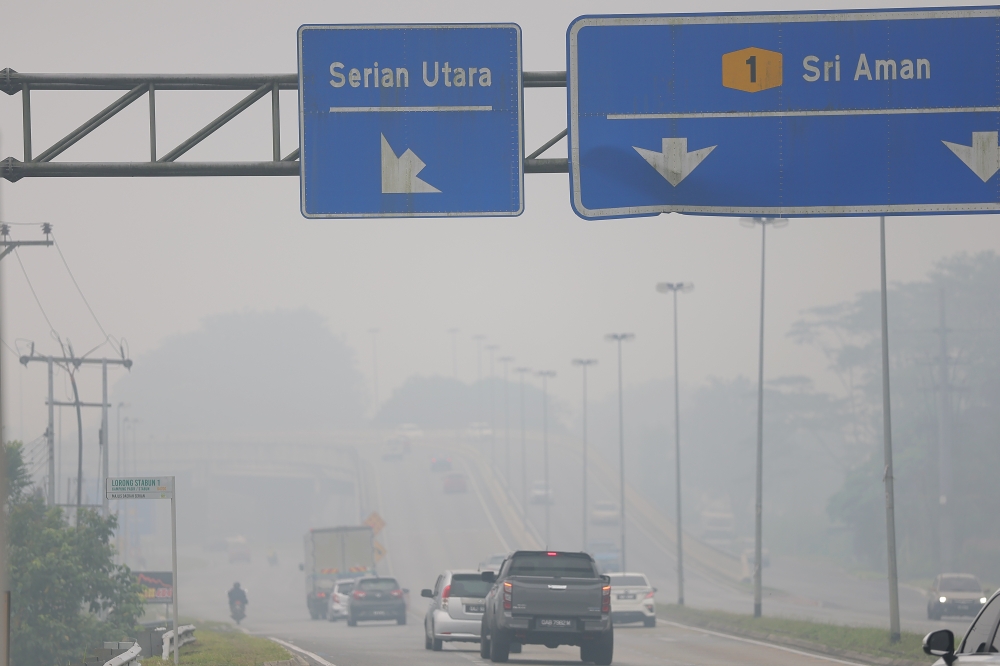
The recent situation in Serian shows why business owners need a clear response plan. The Air Pollutant Index (API) improved from 334 at 10am to 273 at 2pm, but the area remained under a haze emergency because conditions could worsen again. The relevant authority said the reading would be monitored over three days, including the possibility of rising above 500. Source: Malay Mail
For you, the practical lesson is simple: an improving reading does not automatically mean normal operations are safe. Your decisions should consider the latest official information, the type of work your employees perform, and who in your team may be more vulnerable.
TL;DR
Haze conditions can improve temporarily and still require caution, so your SME needs a flexible operating plan rather than a single shutdown decision.
Use API monitoring, staff communication, task prioritisation and simple digital workflows to protect employees while keeping essential work moving.
What This Means
The Air Pollutant Index, or API, is a way of communicating air pollution severity. In the Serian case, an API reading of 334 was described as hazardous, while 273 was classified as very unhealthy. The situation remained under emergency monitoring because air quality can fluctuate according to wind direction and the location of hotspots. Source: Malay Mail
This matters because a business response should not rely on one reading taken at one time. A construction company may need to pause outdoor work even when an office team can continue working indoors. A plantation may need to change field schedules, while a retail shop may need stronger ventilation controls and shorter outdoor duties.
The report also stated that government and private offices, industries, plantations, construction sites and quarries in the affected area could continue operating, provided health precautionary measures were taken. Source: Malay Mail That does not remove your responsibility to assess risks. It means you should decide how work is carried out safely under changing conditions.
Business continuity during haze is not about pretending conditions are normal. It is about separating essential work from avoidable exposure.
How This Applies to Malaysian SMEs
1. Retail, food and service businesses need a customer-flow plan. If you operate a café, workshop, salon, tuition centre or neighbourhood shop, your staff may spend time outside receiving stock, serving customers at entrances or travelling between branches. You can reduce exposure by assigning one person to coordinate deliveries, moving waiting areas indoors, and using digital order updates so customers do not need to queue outside.
For food operators, haze may also affect riders and suppliers. Your team should know who confirms incoming deliveries, who records delays and who informs customers if an order needs to be rescheduled. A simple shared form can replace scattered WhatsApp messages and create one reliable record for the day.
2. Construction, plantations and field-service businesses need task controls. If your workers install equipment, maintain air-conditioning systems, conduct inspections or work on building sites, outdoor exposure may be part of the job. Create a daily approval step before dispatch: check the latest API information, identify the outdoor tasks, confirm protective equipment and decide whether non-urgent work can move indoors or to another date.
Do not treat every task equally. Emergency repairs affecting safety may need immediate attention, while routine measurements, painting, landscaping or non-urgent inspections may be postponed. A supervisor can record the decision using a mobile checklist, giving you a consistent process across teams and locations.
3. Offices and professional firms should prepare for staff health needs. Accounting firms, agencies, clinics, wholesalers and small manufacturers may continue indoor operations, but employees can still be affected during commuting or breaks. The report advised people to avoid outdoor activities and recommended an N95 mask, or at minimum a three-ply mask, for those who could not avoid outdoor exposure. Source: Malay Mail
You should also identify workers who may be more affected, including children in your staff’s households, older employees and people with existing respiratory concerns. The report specifically urged the public to take extra care of children, senior citizens and vulnerable groups. Source: Malay Mail Give employees a clear channel to report breathing difficulty or request temporary changes to duties without having to negotiate informally with several managers.
4. Multi-location SMEs need one source of truth. If you have branches in Kuching, Serian, Sri Aman or other parts of Sarawak, local conditions may differ. A head office announcement saying “operations continue” is not enough. Each branch should report its local API reading, staff availability, outdoor tasks, customer traffic and urgent issues in the same format.
Automation can help here. A scheduled form can prompt branch managers each morning and afternoon. Responses can feed into a dashboard, while alerts can be sent when a location reports unsafe conditions, staff shortages or delivery disruption. This gives you an operating picture without requiring constant phone calls.
API Levels and Business Responses
The following table uses the levels described in the report as practical decision points. Always follow current official instructions and professional health guidance for your location.
| API reading or condition | Business response | Useful workflow |
|---|---|---|
| 273, very unhealthy | Reduce outdoor work, review vulnerable staff needs and strengthen indoor precautions. | Twice-daily branch check-in and task approval. |
| 334, hazardous | Pause non-essential outdoor duties and review customer, supplier and delivery arrangements. | Manager approval before dispatching outdoor teams. |
| Above 500, previously reported in Serian | Prepare for emergency instructions, major schedule changes and protection of essential operations. | Automatic escalation to owner or senior manager. |
| Rapid fluctuation | Do not rely on an earlier improvement; reassess conditions before each major shift. | Time-stamped updates and clear reactivation rules. |
The Serian authority highlighted the possibility of API levels rising above 500 and said wind direction and hotspot sources influence readings. Source: Malay Mail This is why a time-stamped workflow is more useful than a one-off announcement in a group chat.
Practical Takeaways
- Nominate one haze coordinator who checks official updates and shares decisions with the team.
- Set two daily review times, such as before opening and after lunch, while allowing urgent updates when conditions change.
- Separate essential and non-essential outdoor work so managers can postpone exposure without stopping the whole business.
- Record staff availability and health concerns privately, with access limited to authorised managers.
- Prepare an indoor-work list, including stock counting, documentation, customer follow-up, training and equipment checks.
- Use digital forms for branch reporting instead of relying only on messages that can be missed.
- Keep customers informed about delivery delays, adjusted hours or changes to appointments.
- Confirm protective supplies and procedures before haze conditions worsen.
- Define escalation rules so everyone knows who can pause outdoor work and who contacts authorities or major customers.
- Review the plan after the haze ends and note which tasks, suppliers and communications caused problems.
Simple Automation for Haze Readiness
You do not need a complicated system to make this work. Start with a digital form containing six questions: current location, latest API reading, staff present, outdoor work planned, urgent issues and recommended action. Require the branch manager or supervisor to submit it at set times.
Next, connect the form to a shared dashboard. Use simple status labels such as “Normal indoor operations”, “Outdoor work restricted” and “Escalate to management”. An automated message can notify you when a branch reports a hazardous reading, an absent supervisor or a customer-facing disruption.
For smaller teams, even a structured spreadsheet with time stamps and named owners is a major improvement over untracked conversations. The important point is consistency: the same questions, the same decision rules and a visible record of what was agreed.
The Bigger Picture
Haze is one example of a wider operational risk that can change quickly. Flooding, heat, storms, road closures and disease-control requirements can create similar challenges. The SMEs that cope best are not necessarily those with the biggest teams. They are the ones that know which work is essential, who makes decisions and how updates reach employees quickly.
The Serian emergency also shows that official status and business activity can exist at the same time: workplaces may continue operating, but health precautions remain necessary. Source: Malay Mail For you, that means continuity should be designed around safe operating limits, not an all-or-nothing choice between opening and closing.
Build the basic process now, while conditions are manageable. Monitor reliable information, communicate clearly, protect vulnerable workers and automate repetitive reporting where possible. When the next disruption arrives, you will spend less time chasing updates and more time making sound decisions for your people and customers.
Ready to Streamline Your Operations?
Your business should run itself. AutoRunBiz deploys AI agents to automate your daily operations — WhatsApp orders, invoicing, customer follow-ups, and accounting. Book a free 15-min ops audit to see where automation fits your business →