
Why the E-Bike Deal Wave Matters to Your Business
Electric bikes and scooters are moving beyond personal transport. For Malaysian SME owners, the latest global launches and promotions point to a wider shift: compact electric vehicles are becoming practical tools for short-distance delivery, staff mobility, site inspections and customer service. A café owner in George Town, a retailer in Shah Alam or a property-management company in Johor Bahru may soon find that an e-bike is not merely a lifestyle product, but part of daily operations.
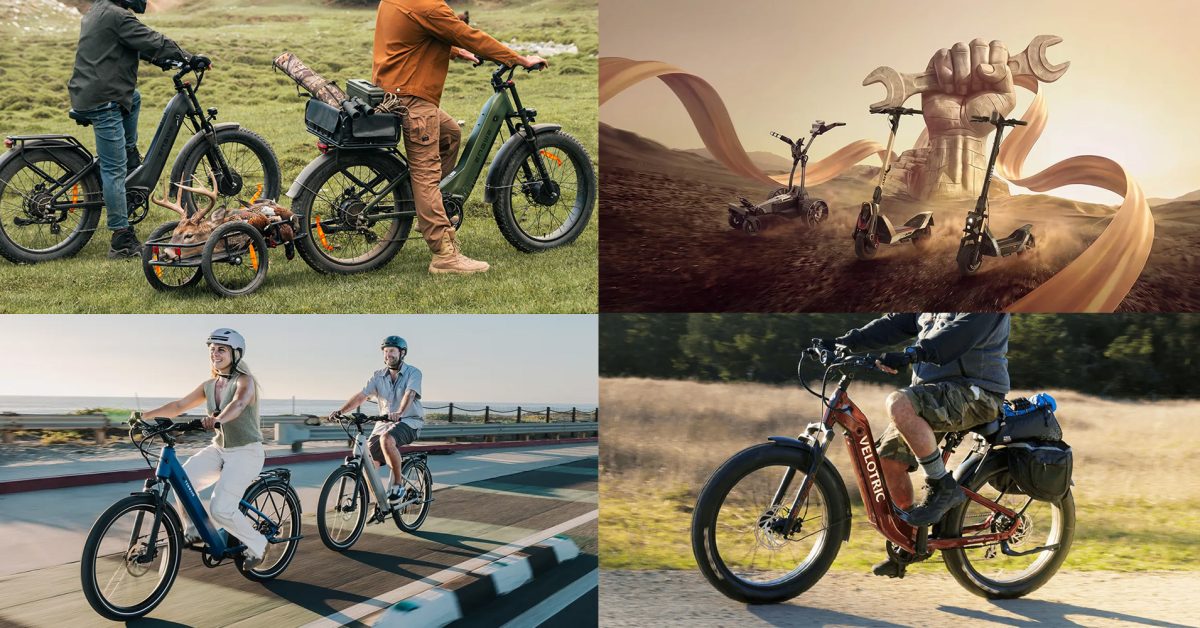
A recent roundup from Electrek highlighted several new or discounted models, including ENGWE’s E26 3.0 dual-motor all-terrain e-bike, Navee’s UT5 Ultra X electric scooter, Tenways’ Wayfarer cruiser and Velotric’s Nomad 2 with an additional battery. The models differ significantly in design and intended use, but they share a common direction: longer riding range, stronger cargo capability, more comfort and increasingly sophisticated equipment. Source: Electrek
For your business, the important question is not whether a particular overseas promotion is available in Malaysia. It is whether the technology is mature enough to solve a real operational problem without creating new safety, compliance, maintenance or workflow issues.
What Happened
ENGWE launched the E26 3.0 as a dual-motor, full-suspension, all-terrain e-bike. Electrek reported a claimed travel range of up to 100 miles, or approximately 161 kilometres, and described a launch package that included a rear basket for the integrated cargo rack. The report also stated that the model uses two motors and full suspension, features that may appeal to businesses operating on uneven roads, estate lanes or mixed surfaces. Source: Electrek
Navee’s sale focused on electric scooters, including the UT5 Ultra X and ST3 Pro. The article positioned the UT5 Ultra X as a premium, high-performance scooter and the ST3 Pro as a city-oriented model designed around comfort. These are more relevant to short urban movement than heavy goods delivery, especially where staff need to travel between nearby outlets, offices, car parks or commercial buildings. Source: Electrek
Tenways promoted its Wayfarer cruiser e-bike with a bundle including mudguards, a kickstand and a rear cargo rack. Electrek reported a claimed range of up to 85 miles, or around 137 kilometres. Velotric, meanwhile, offered the Nomad 2 off-road e-bike with an extra battery, with the publication reporting a potential travel distance of up to 130 miles, or approximately 209 kilometres, when the additional battery is considered. Source: Electrek
| Model or category | Reported feature | Possible SME application |
|---|---|---|
| ENGWE E26 3.0 | Dual motor, full suspension and cargo rack | Estate checks, heavier loads and uneven routes |
| Navee UT5 Ultra X | Premium electric scooter design | Short-distance staff movement and site visits |
| Navee ST3 Pro | City-focused comfort features | Urban travel between nearby business locations |
| Tenways Wayfarer | Cruiser format, cargo rack and long claimed range | Customer visits, light deliveries and commuting |
| Velotric Nomad 2 | Off-road format with extra battery option | Longer routes and rural or industrial-area operations |
Source for reported model details: Electrek
Why This Matters for Malaysian SMEs
Malaysia’s business environment includes dense town centres, industrial parks, shop-house areas, gated developments and large commercial sites. In these settings, a worker may spend substantial time moving between a storage room, delivery point, customer entrance and office. An e-bike or scooter can potentially shorten those trips, particularly when parking is difficult or the distance is too short to justify using a van.
Consider a bakery fulfilling nearby orders. A cargo-equipped e-bike may suit small, frequent deliveries within a defined service zone, while a scooter could help a supervisor move between two outlets. A facilities-maintenance company could use a long-range model for inspections across a large property. A tuition centre, florist, pharmacy or computer-repair shop may also explore electric mobility for light items and scheduled local visits.
However, you should not copy an overseas buying guide directly into a Malaysian operating plan. A claimed range is normally measured under specified conditions, and actual performance can change with rider weight, cargo, hills, traffic, tyre pressure, riding mode, weather and battery age. Malaysia’s heat and heavy rain also matter. Before deployment, test the vehicle on your actual routes, with your actual load and in realistic weather conditions.
“Treat an e-bike as an operational asset, not an impulse purchase. Start with one repeatable route, measure the result and expand only when the process is safe and reliable.”
You also need to verify local rules before allowing staff to use a particular electric vehicle on public roads, walkways or premises. Check the latest requirements with the relevant Malaysian authorities, property managers and insurers. Confirm whether the model is permitted for the intended environment, whether helmets and protective equipment are required, and whether your business insurance covers staff riding for work.
How to Evaluate an E-Bike for Your Business
Begin with the task rather than the product. A high-powered all-terrain model may be unnecessary for a staff member travelling between nearby shop lots. A lightweight commuter e-bike may be unsuitable for carrying food containers, tools or replacement parts. Ask what must be carried, how far the route is, where the vehicle will be stored and how quickly it must be ready for the next trip.
- Route: Map the distance, slopes, road surface, traffic and delivery stops.
- Payload: Include the rider, goods, equipment, rack and protective containers.
- Charging: Identify a secure, dry location with suitable electrical access.
- Weather: Plan for rain, heat, puddles and sudden route changes.
- Security: Use locks, GPS tracking where appropriate and a clear handover process.
- Maintenance: Schedule checks for tyres, brakes, lights, chains, motors and batteries.
- Staff policy: Define training, approved routes, incident reporting and personal protective equipment.
Battery management deserves particular attention. Do not rely only on the manufacturer’s maximum range claim. Record the distance completed, battery level at departure and arrival, load carried and weather conditions. This creates a practical operating baseline. Your staff should know when to recharge, how to store the battery and what signs of damage or overheating require the vehicle to be removed from service.
The Bigger Picture
The significance of these launches is not limited to a handful of new bicycles and scooters. The market is increasingly combining electric motors with cargo racks, additional batteries, suspension systems, connected controls and commuter-focused designs. That combination makes electric mobility more adaptable to business workflows than earlier basic models.
It also creates a new management challenge. If you add an e-bike without changing your process, you may simply replace fuel use with confusion. The stronger approach is to connect the vehicle to scheduling, delivery zones and basic business automation. A shared calendar can reserve the vehicle. A form can record pre-ride checks. A messaging workflow can alert the next rider. A simple spreadsheet or dashboard can track route completion, battery status, maintenance dates and incidents.
For a small team, this does not require a complicated system. You can begin with a digital checklist and a named vehicle custodian. After a short pilot, compare delivery times, missed trips, staff utilisation and customer feedback. Keep safety and compliance as non-negotiable requirements, and do not measure success only by distance travelled.
The global e-bike and scooter market is showing clear interest in range, versatility and bundled equipment, as illustrated by the ENGWE, Navee, Tenways and Velotric announcements reported by Electrek. Source: Electrek For Malaysian SMEs, the useful lesson is practical: identify a short-distance operational bottleneck, test the right vehicle under local conditions, automate the supporting workflow and expand only when the numbers and safety record support it.
Ready to Streamline Your Operations?
Technology moves fast. Your operations should keep up. AutoRunBiz builds AI systems that run your daily workflows — from WhatsApp order capture to accounting. Book a free 15-min ops audit →