
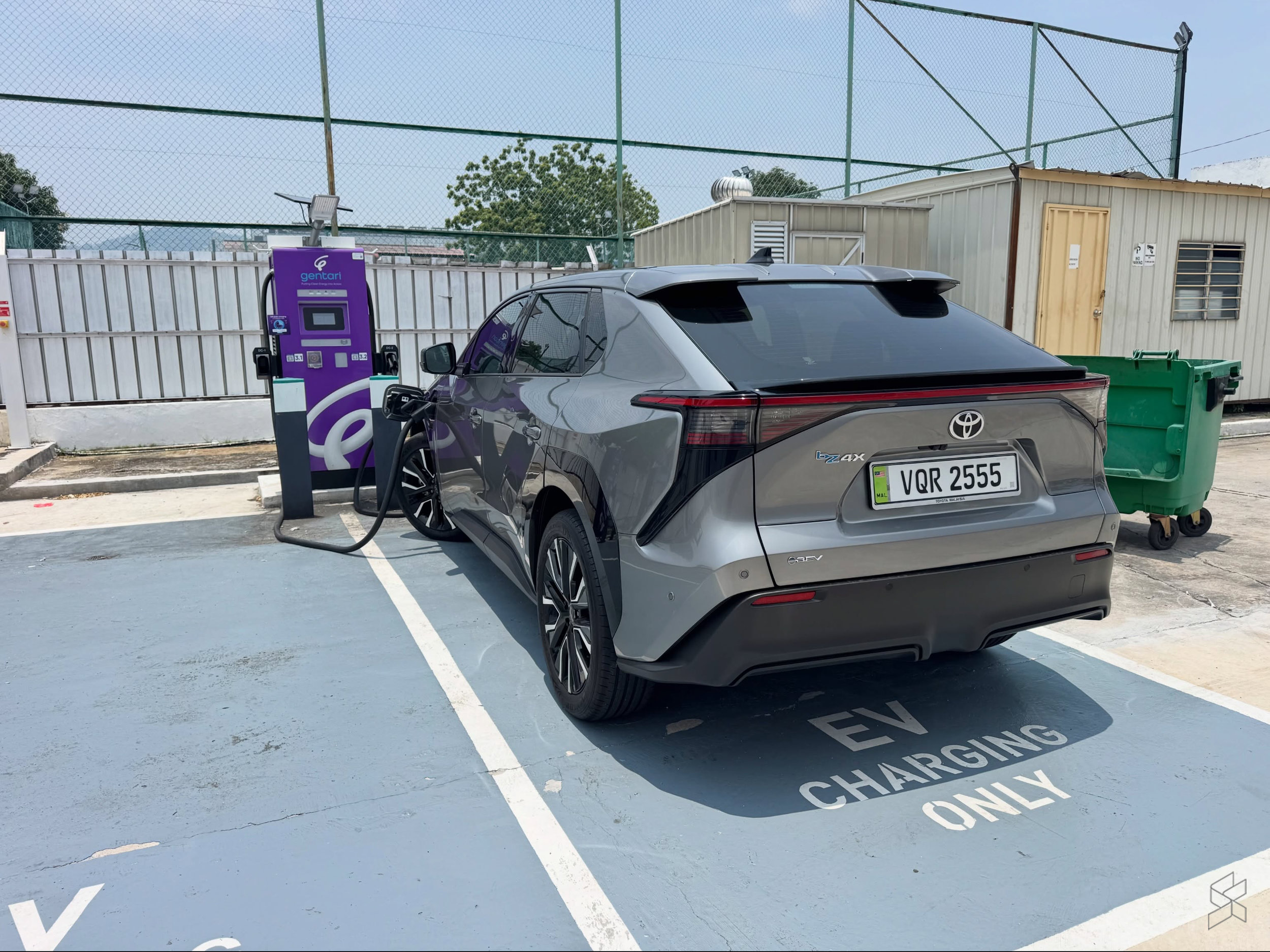
When a Charging App Becomes a Business Risk
If your business uses an electric vehicle (EV) for deliveries, site visits, sales calls, or daily staff travel, charging is not a minor convenience. It is part of your operating workflow. When an app fails, a charger cannot be activated, or a station does not match what the app promises, your schedule can quickly fall apart.
This is the practical concern behind a recent report about difficulties using the Gentari Go charging app and network during the Merdeka weekend. The report describes a frustrating experience involving EV charging access and reliability. You can read the source article on SoyaCincau. For an SME owner, the wider lesson is simple: any technology connected to your operations needs a backup process, clear ownership, and measurable service standards.
TL;DR: EV charging problems can become missed appointments, delayed deliveries, and unhappy customers. Treat charging as an operational system, not just an app.
Before assigning an EV to business work, map charging locations, confirm access methods, prepare alternatives, and record every disruption. The same discipline also applies to payment systems, delivery platforms, cloud software, and other tools your business depends on.
What This Means
An EV charging network normally involves several connected parts: the physical charger, the mobile application, the communication network, the payment or account system, and customer support. If any one part fails, you may be unable to start or complete a charging session.
For example, a charger may be physically available but appear offline in the app. A charging bay may be occupied, even though the app shows it as available. The app may reject a login or fail to recognise a charging point. A user may also face unclear instructions when moving between different charging providers.
These are not merely technical inconveniences. They affect planning. If you expect a vehicle to charge during a short stop but cannot begin the session, the driver may need to wait, find another station, or return to the office. That can affect delivery windows and customer appointments.
The Merdeka weekend context is also useful. Public holidays often bring heavier road traffic, more intercity travel, and higher demand at popular charging locations. A process that works during a quiet weekday may be less dependable during a busy period. You should therefore test operational systems under the conditions in which your business is most exposed.
Key insight: A business vehicle is only as dependable as the journey plan, charging access, and fallback process supporting it.
How This Applies to Malaysian SMEs
Consider a small food distributor in Selangor that uses an EV van for deliveries. The driver may visit several customers in one day, with limited flexibility between stops. If the vehicle reaches a charging location and the session cannot start, the problem is not limited to the driver. The warehouse team may need to adjust the next dispatch, customers may receive late updates, and the owner may spend time coordinating a solution personally.
A property agency faces a different situation. Its negotiators may use EVs to visit homes, offices, and construction sites across Kuala Lumpur, Petaling Jaya, or Johor Bahru. A charging plan based only on the app’s displayed availability may be too weak for a full day of appointments. Your team should know which locations are reliable, which ones have alternative access methods, and how much time to allow for an unexpected stop.
Service businesses also need to think about equipment and staff. An electrical contractor, air-conditioning company, or maintenance firm may depend on a vehicle arriving at a customer site with tools and replacement parts. If the driver has to divert to another charger, the customer experiences the delay even though the original fault happened in a separate digital system.
Tourism, hospitality, and retail businesses should consider the customer-facing effect as well. If you provide EV charging at a hotel, café, showroom, or office, a poor experience can reflect on your brand even when another provider operates the network. Your staff need a simple response guide: how to confirm whether a charger is working, who to contact, what information to collect, and what alternative you can offer.
For SMEs with several vehicles, informal knowledge is not enough. One experienced driver may know which charger usually works, but a new employee may not. Store the information centrally and make it easy to access from a phone. A basic operations page or shared checklist can prevent repeated confusion.
A Simple Reliability Framework
| Area | What to check | Suggested business action |
|---|---|---|
| Route planning | Primary and alternative charging locations | Assign at least one backup location for important routes |
| Access | App login, account status, and payment setup | Test each driver account before a long trip |
| Vehicle readiness | Battery level and expected route distance | Set a minimum battery level before dispatch |
| Support | Contact channels and required evidence | Save support details and train drivers to capture charger IDs |
| Incident tracking | Time, location, error message, and outcome | Review failures monthly and remove weak locations from routes |
The table is not a technical project. It is a way to make responsibility visible. Someone should know who checks vehicle readiness, who maintains the charging account, and who reviews repeated incidents.
Practical Takeaways for Your Business
- Map every regular route. List the preferred charging point, a backup point, and the nearest practical alternative.
- Test the full process. Do not check only whether a charger appears in an app. Confirm that a driver can log in, locate the charger, start a session, and receive a completion status.
- Keep driver access current. Make sure employees know the correct account, phone number, authentication method, and support procedure.
- Set a dispatch rule. Decide the minimum battery level required before a vehicle leaves for a route with limited charging options.
- Capture evidence. Record the station name, charger number, time, error message, screenshots, and support ticket reference.
- Build time buffers. Do not schedule a customer visit immediately after a planned charging stop when the route is important.
- Use route-specific instructions. A one-page guide for each common route is easier for drivers than a general policy.
- Review incidents regularly. Look for repeated failures by location, time, provider, or vehicle.
- Keep a human escalation path. Drivers should know when to stop troubleshooting and contact an operations manager.
- Communicate early. If a delay occurs, tell the customer before the promised arrival window is affected.
Connecting Charging Data to Your Business Workflow
You can improve visibility by recording simple charging information in your existing business system. A form can capture vehicle number, driver, location, battery level, start time, end time, and any failure. The data does not need to be complicated. Its purpose is to show patterns that are easy to miss when drivers report problems through separate chat messages.
For example, repeated failures at the same location may justify changing a route. Repeated late charging sessions by one vehicle may indicate a vehicle-specific issue or a driver training gap. If several employees encounter account problems after staff changes, your account handover process may need attention.
Automation can help with reminders and escalation. A system can remind drivers to confirm vehicle readiness before departure, notify an operations lead when a charging incident is logged, and create a weekly summary of disruptions. The goal is not to add more administration. It is to reduce the amount of time you spend asking what happened.
The Bigger Picture
As more Malaysian businesses adopt EVs, reliability will become a practical selection factor alongside vehicle range and environmental objectives. The quality of the surrounding operating network will matter just as much as the vehicle itself.
This is also a broader lesson about digital dependency. Your business may rely on a banking portal, online marketplace, accounting platform, delivery application, or cloud-based customer database. Each tool may be useful, but each can also introduce a failure point. You should know what happens when the service is slow, unavailable, inaccurate, or difficult to access.
The strongest SMEs do not assume every system will work perfectly. They design sensible fallback procedures, keep information accessible, and learn from incidents. That approach gives you more control when public infrastructure, software, or third-party support does not perform as expected.
For EV operations, start small. Choose one regular route, document its charging process, test the backup plan, and improve it after real use. Then apply the same method to your other important workflows. Reliable operations are built through clear steps, visible data, and regular review—not through hope that the app will always behave as expected.
Ready to Streamline Your Operations?
Your business should run itself. AutoRunBiz deploys AI agents to automate your daily operations — WhatsApp orders, invoicing, customer follow-ups, and accounting. Book a free 15-min ops audit to see where automation fits your business →