
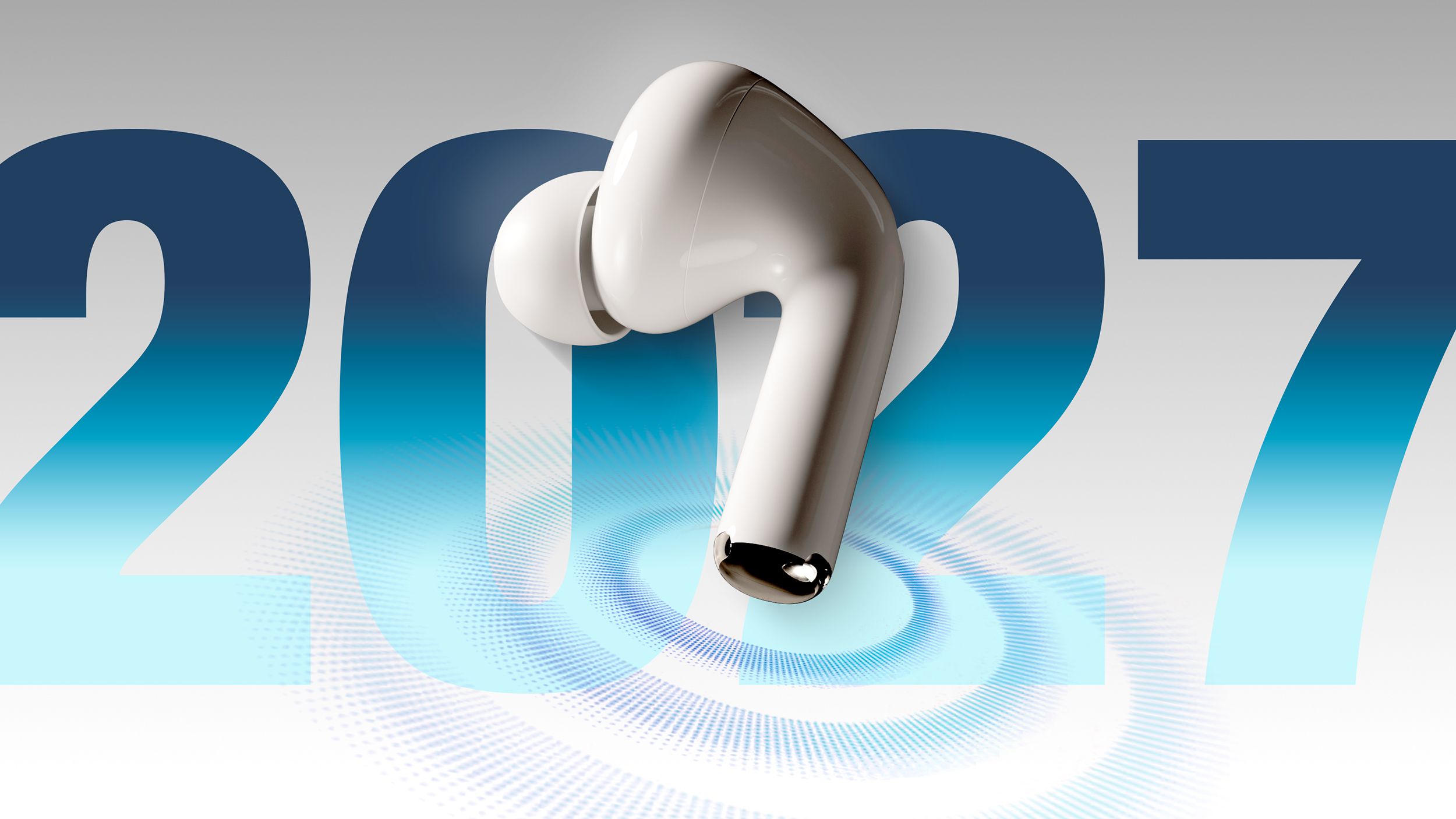
Could Camera-Equipped Earbuds Make Your Meetings Better?
If your team works across an office, home, customer site and different branches, you have probably experienced the same meeting problem: the audio feels disconnected from the conversation. A speaker turns their head, someone shares a screen, or several displays are in the room, and remote participants struggle to follow what matters.
New camera-equipped earbuds could make this experience more natural. Apple-related software references suggest future AirPods may use cameras to detect which screen the wearer is looking at, then adjust spatial audio accordingly. The reported concept is still unconfirmed, and the product may not arrive until autumn 2027, but the idea offers useful lessons for how small businesses should think about workplace technology.
TL;DR: Future earbuds may detect the screen you are viewing and improve spatial audio head tracking. For Malaysian SMEs, the bigger lesson is that everyday devices are becoming more context-aware, which could improve meetings, training, support and customer communication.
This is not something you need to buy or plan for immediately. Instead, use the trend to review how your team communicates today and whether your meeting systems provide the right information at the right time.
What This Means
Spatial audio head tracking makes sound appear to come from a stable position. If a person’s voice seems to come from the left side of a video call, turning your head can make that voice remain connected to the screen or speaker location rather than moving unnaturally with you.
Current earbuds can estimate head movement using motion sensors. The reported camera-equipped AirPods concept could add another layer: identifying the physical display you are looking at. Possible targets include a laptop, smartphone, tablet, television or external monitor. If several screens are nearby, the earbuds could potentially identify which one has your attention.
For example, imagine you are reviewing a product design on a laptop while a television displays a presentation in the background. The earbuds may be able to distinguish between the two screens and adjust the audio experience around your viewing direction. This could make video calls, training sessions and multimedia presentations feel less confusing.
The report also refers to possible server-based visual reasoning features. In simple terms, the earbuds could capture visual information and send it to a remote service for certain requests. That raises practical questions about privacy, consent, data handling and whether the feature is suitable for confidential business environments.
The important business lesson is not that every SME needs camera earbuds. It is that devices are increasingly trying to understand your context, and your business policies need to keep up.
How This Applies to Malaysian SMEs
1. Hybrid meetings can become easier to follow. Malaysian SMEs often work with suppliers, agents, customers and branch teams using video calls. A trading company in Johor may speak with a supplier in Penang, while a small software team in Kuala Lumpur supports a customer in Singapore. When a meeting includes slides, product demonstrations and several participants, audio confusion quickly becomes a productivity problem.
Context-aware audio could help participants keep track of who is speaking and which screen contains the relevant information. Until such devices are available, you can apply the same principle by improving your meeting setup: use one main screen where possible, ask presenters to announce when they change displays, and keep shared documents organised so nobody has to guess which version is current.
2. Retail and service businesses could improve staff training. A restaurant group, clinic, workshop or retail chain may train staff using recorded demonstrations and live video calls. A trainee might look at a tablet showing instructions while another display shows a trainer. Better spatial audio could help separate the trainer’s voice from other sounds and make demonstrations easier to follow.
You do not need specialised earbuds to start improving this process. Break training into short modules, use clear visual labels, and ask employees to repeat the key steps. If your staff work in noisy environments, provide a quiet training area and test audio before the session. These simple controls matter more than adopting a new device without changing the workflow around it.
3. Customer support teams could benefit from better visual context. Suppose your technician is helping a customer troubleshoot a machine through a video call. The technician may refer to a manual on one screen, the customer’s live camera feed on another and a messaging application on a third. A device that understands which screen the technician is viewing could eventually make hands-free assistance more practical.
For now, you can create a reliable support process by using standard screen names, shared case numbers and structured call notes. Ask the technician to state clearly, “I am referring to the diagram on the left,” rather than assuming everyone sees the same thing. This reduces mistakes across different devices and internet connections.
4. Confidentiality needs to be part of the conversation. Camera-equipped earbuds may collect visual information, and some reported functions could send camera data to cloud servers for processing. If your team handles customer identification documents, health information, financial records, product designs or internal plans, you should not allow visual features to operate without clear controls.
Create a simple policy covering when cameras may be used, where recordings or images may go, which applications are approved, and how employees should behave in customer locations. The Malaysian Personal Data Protection Department provides guidance and resources through its official website at pdp.gov.my. You should also ask your technology providers how visual data is stored, processed and deleted.
What You Can Do Before New Devices Arrive
The reported AirPods feature is a future possibility, not a confirmed tool for immediate deployment. The best response is to strengthen the business processes that will make any future technology useful.
| Business area | Common issue | Practical action |
|---|---|---|
| Hybrid meetings | Participants cannot tell which screen or speaker matters | Use one primary display and announce screen changes |
| Staff training | Employees miss instructions in noisy settings | Use short modules, captions and written checklists |
| Customer support | Technicians switch between several information sources | Use case numbers, labelled windows and standard call notes |
| Privacy | Visual data may expose confidential information | Define approved devices, apps and camera-use situations |
The source report says the possible earbuds could identify laptops, displays, smartphones, tablets and televisions, and may detect multiple displays. These capabilities are described as software references rather than a confirmed product specification, so treat them as a signal of direction rather than a guaranteed feature.
Practical Takeaways
- Review your team’s most difficult meeting and support situations.
- Standardise how staff share screens and refer to documents.
- Use captions, recordings and written follow-ups for important meetings.
- Separate confidential work from devices or applications with visual features.
- Ask vendors where camera data is processed and how long it is retained.
- Test new workplace devices with a small group before wider adoption.
- Measure whether a tool reduces confusion, repeated explanations or missed tasks.
The Bigger Picture
Consumer devices are moving beyond simple input and output. Earbuds already detect movement, microphones identify sound and phones understand images. The next stage is for devices to combine those signals and respond to what you are doing.
For an SME, this could eventually support hands-free work, more natural remote collaboration and better accessibility for employees who find conventional interfaces difficult. It could also create new risks. A device that understands your surroundings may accidentally observe a whiteboard, customer document or confidential conversation.
The report links the possible camera earbuds to references found in macOS Tahoe 26.7 code and suggests a potential launch in autumn 2027, but these details may change. The sensible approach is to avoid planning your operations around an unconfirmed product. Instead, improve your meeting habits, privacy rules and information systems now.
When context-aware earbuds become available, you will be better prepared to judge them by business outcomes rather than novelty. Ask whether they help your team communicate more clearly, train faster, serve customers better or reduce avoidable mistakes. If they do not solve a real problem, they are only another device to manage.
Ready to Streamline Your Operations?
Your business should run itself. AutoRunBiz deploys AI agents to automate your daily operations — WhatsApp orders, invoicing, customer follow-ups, and accounting. Book a free 15-min ops audit to see where automation fits your business →